Winter Reading List
Civility Localized 2025
It’s the season of shopping small, supporting indie bookstores, and gifting something meaningful. In the spirit of sending our readers on a quest for third spaces like libraries, bookstores, community centers, and holiday markets - we’re sharing our Urban Planning-themed Winter Reading List just in time for the final weeks of 2025.
Check out our list and let us know what you’d add to this lineup. We’re always looking for our next civic-savvy read.
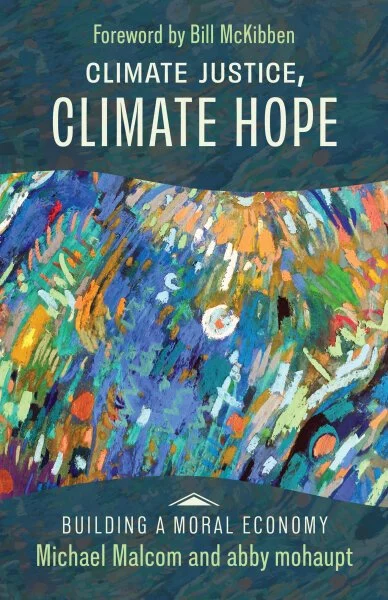
Climate Justice, Climate Hope, by Michael Malcom, abby mohaupt
Framing climate change as the great moral-spiritual challenge of our time, this book by Reverends Malcom and mohaupt invites readers to engage in intersectional action toward climate justice. The authors use global stories and accessible language to build hope, capacity, and community, while directly confronting the role of extractive capitalism and white supremacy in climate injustice. It ultimately calls for racial justice, equity, and democratic economies to build a better future.
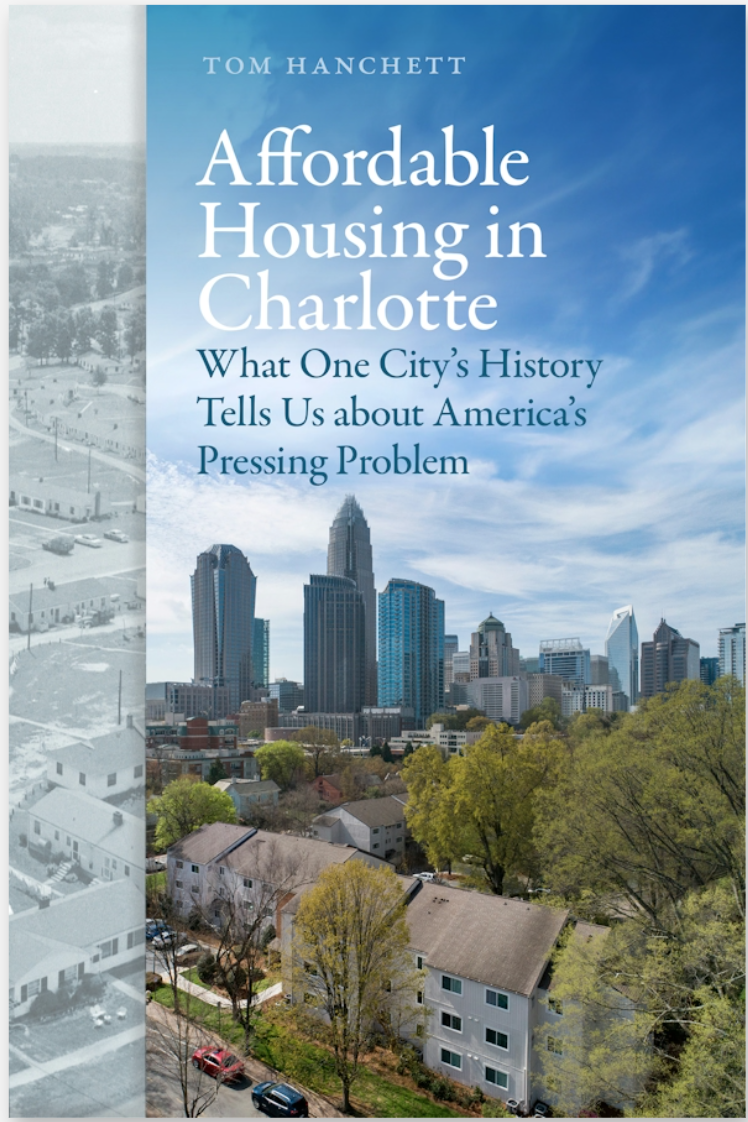
Affordable Housing In Charlotte: What One City's History Tells Us about America's Pressing Problem by Tom Hanchett
This 2025 book published by a local Historian uses Charlotte, North Carolina as a case study to trace the history of affordable housing and federal housing subsidies from 1940 to the present. It reveals how national housing policies and local political power struggles shaped the ongoing nationwide housing crisis, offering lessons for action both in Charlotte and across the country.
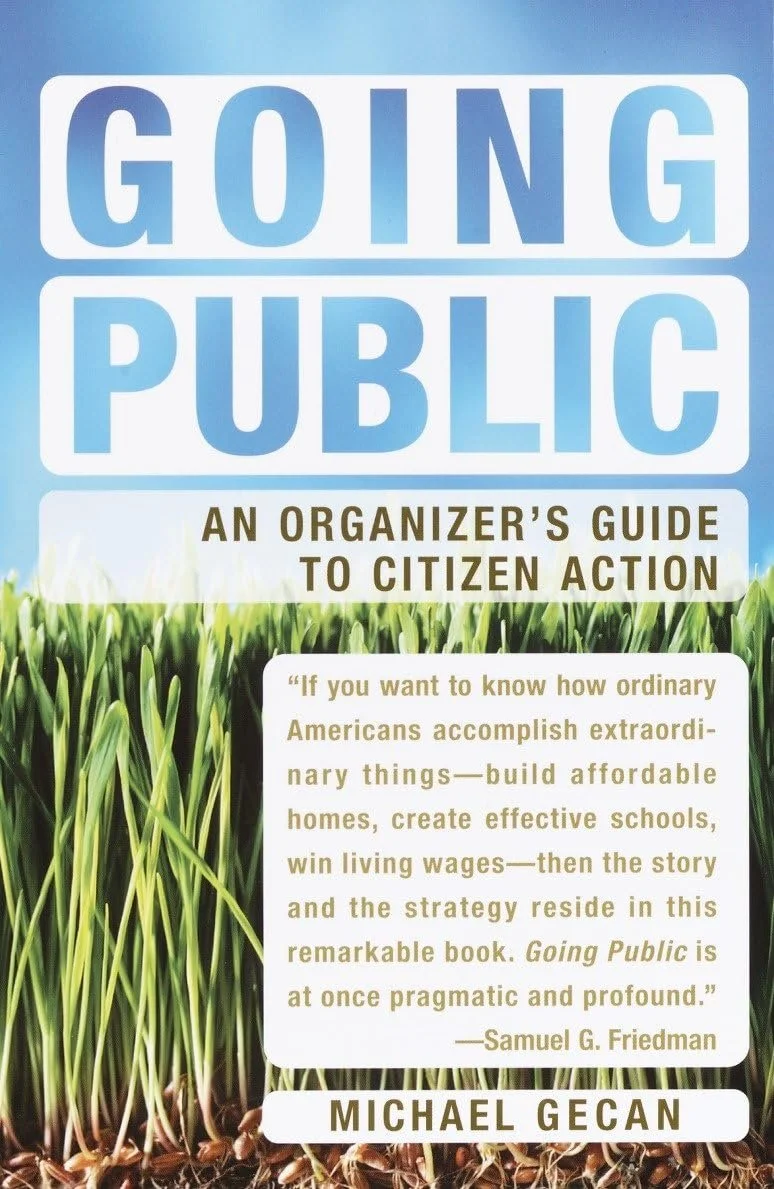
Going Public: An Organizer's Guide to Citizen Action by Michael Gecan
Urban decay can sap the determination—not to mention the soul—of anyone who experiences it. But there are forces that can and do reverse it. They are not spectators, or critics, or occasional demonstrators. They are groups of citizens, encouraged and trained to take power with dignity and creativity and unrelenting determination, and to make it work for them, day by day, month by month, and year to year. Author Michael Gecan knows from experience that strong relationships in the public sphere and sustained and disciplined organizing can spark the public and private will needed to achieve sidewalks, parks, schools, housing--and the collective renewal that results.
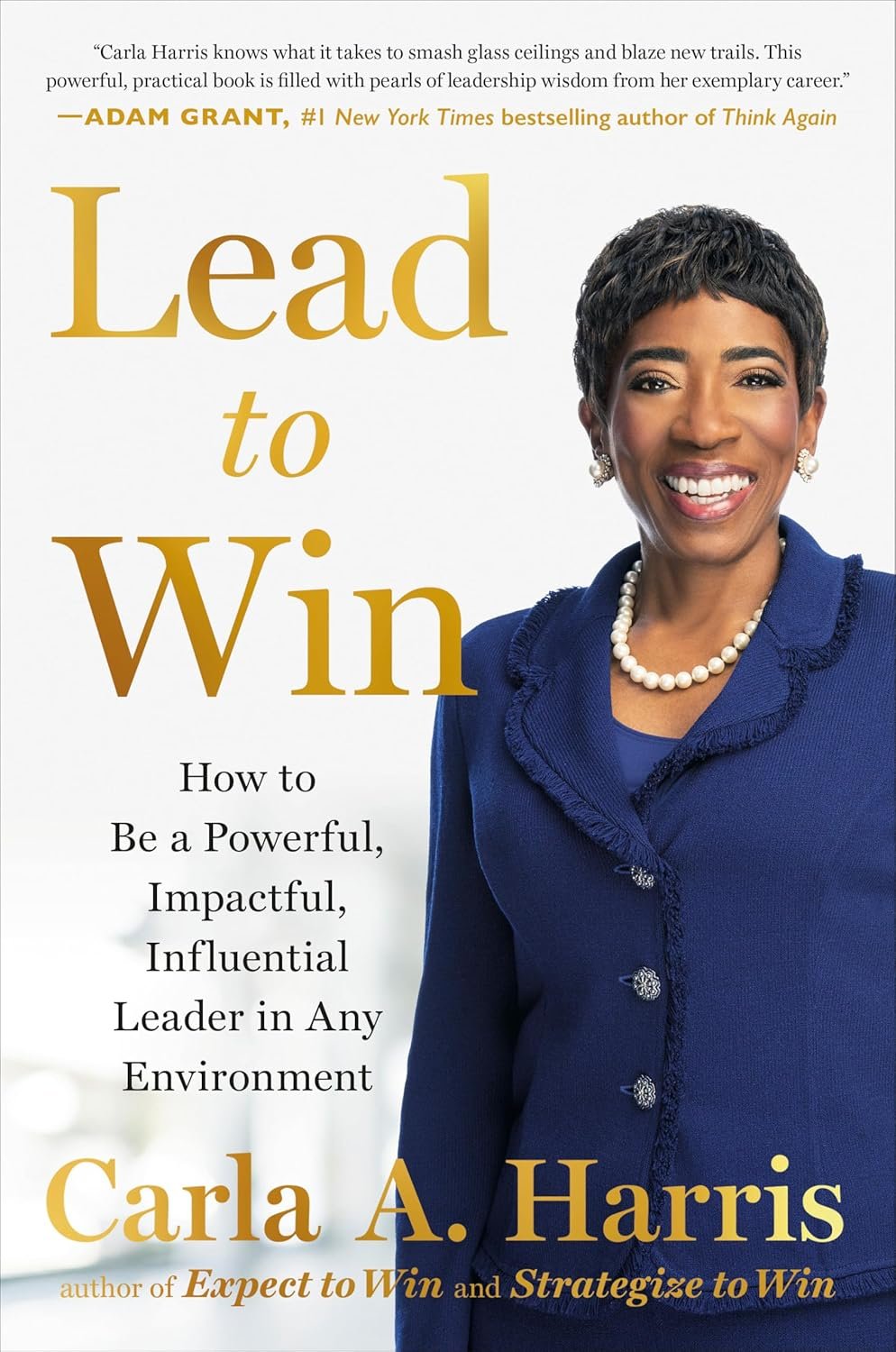
Lead to Win: How to Be a Powerful, Impactful, Influential Leader in Any Environment by Carla A. Harris
In "Lead to Win," author Carla A. Harris offers dynamic strategies for modern leaders navigating the changing work landscape. She examines the transition from individual contributor to effective leader, emphasizing skills like risk-taking and vision creation. The core of the book details eight intentional daily qualities—including authenticity, building trust, clarity, diversity, and voice—necessary to become a powerful and transformational leader today.
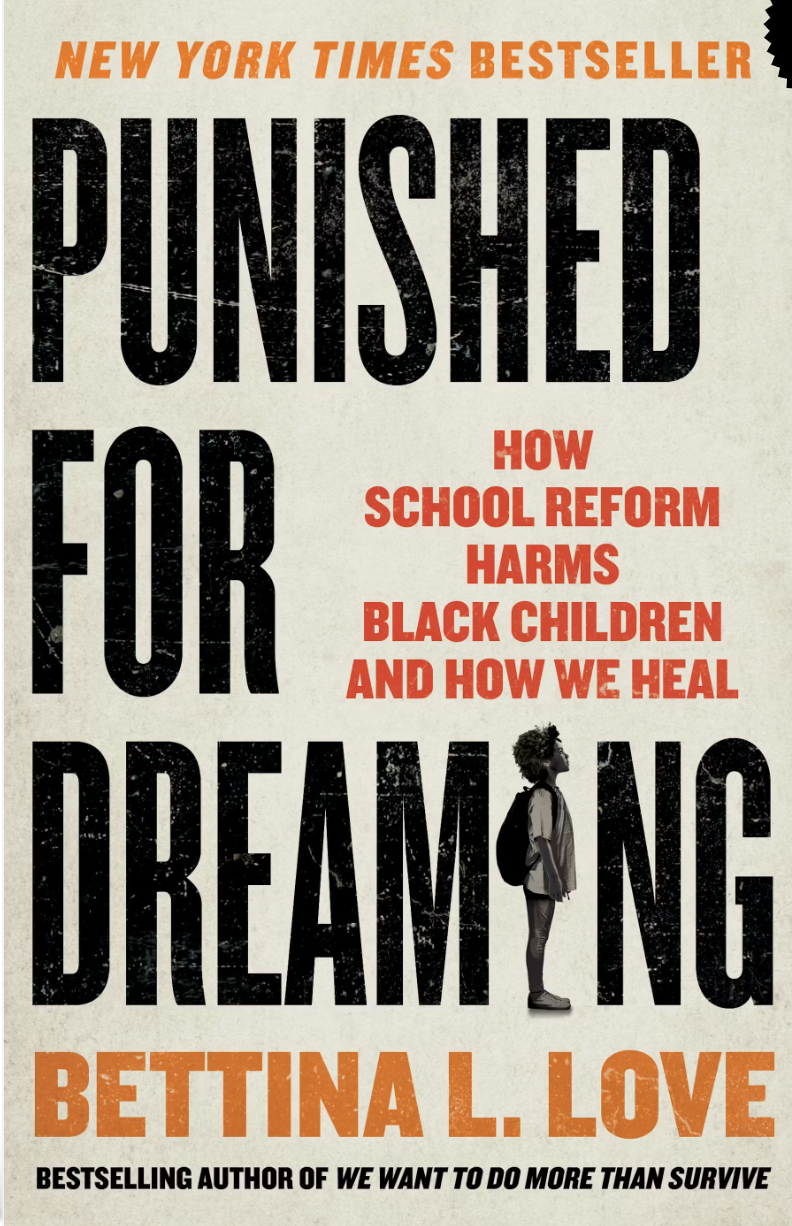
Punished for Dreaming: How School Reform Harms Black Children and How We Heal by Dr. Bettina Love
Dr. Bettina Love's book, Punished for Dreaming: How School Reform Harms Black Children and How We Heal (2023), is a powerful indictment of the last four decades of educational policy in the United States.
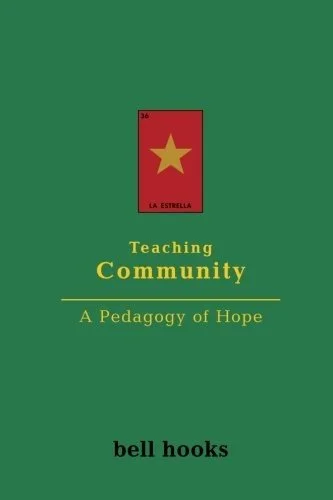
Teaching Community: A Pedagogy of Hope by bell hooks
This book draws from hooks’s personal experiences as a student and teacher. Her stories offer insight into creating better communities as she covers topics like romantic relationships between professors and students, democratic education, and racism. Her experiences as a teacher, both in and out of the classroom, are valuable reading for educators looking for new perspectives.
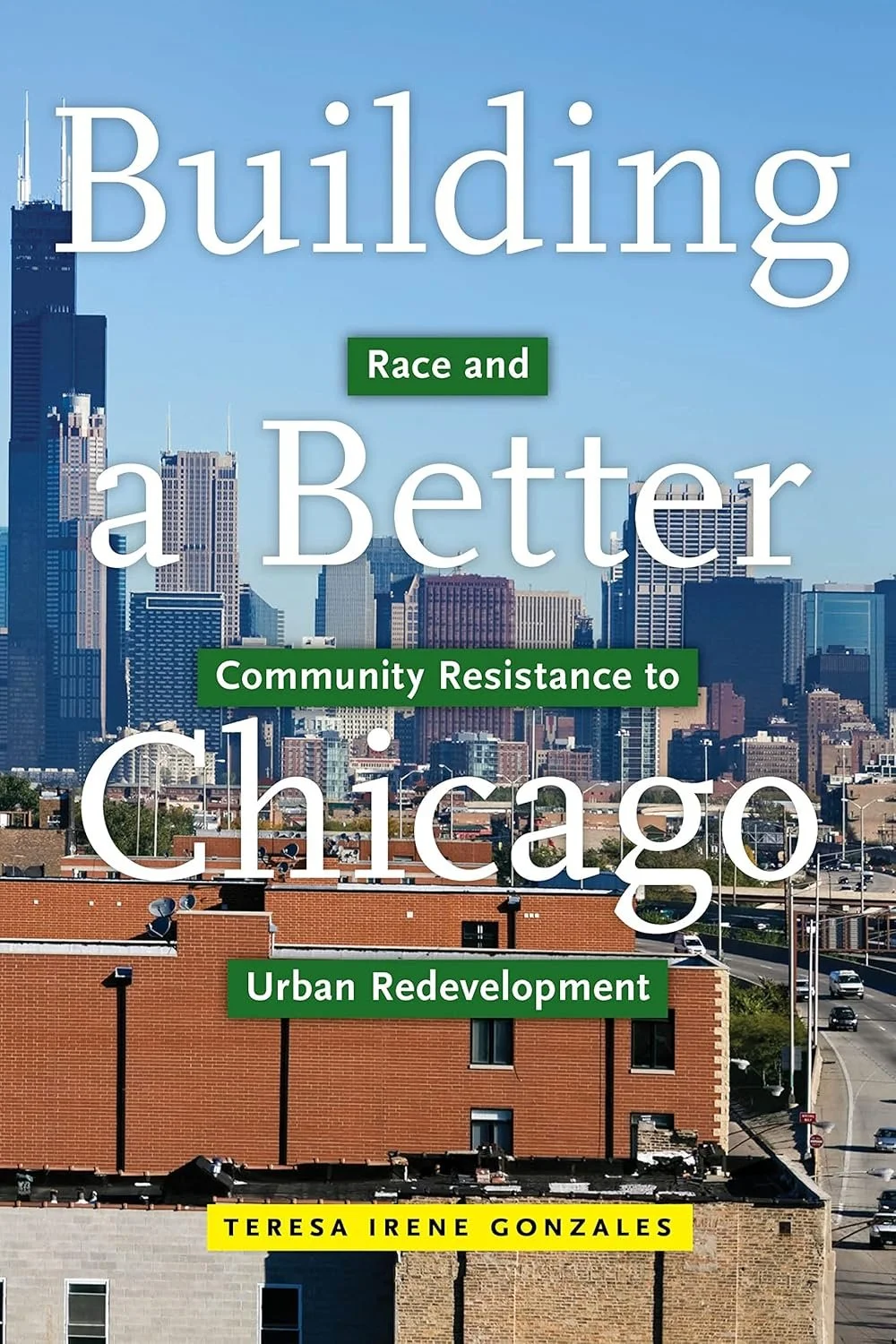
Building a Better Chicago: Race and Community Resistance to Urban Redevelopment, by Teresa Irene Gonzales
This book, "Building a Better Chicago," focuses on the resilience and agency of residents in two Chicago communities: Little Village (Mexican immigrant) and Greater Englewood (predominantly Black). The author, Gonzales, documents how residents demand accountability from local agencies and politicians, offering a pathway for empowering urban communities of color in the twenty-first century.
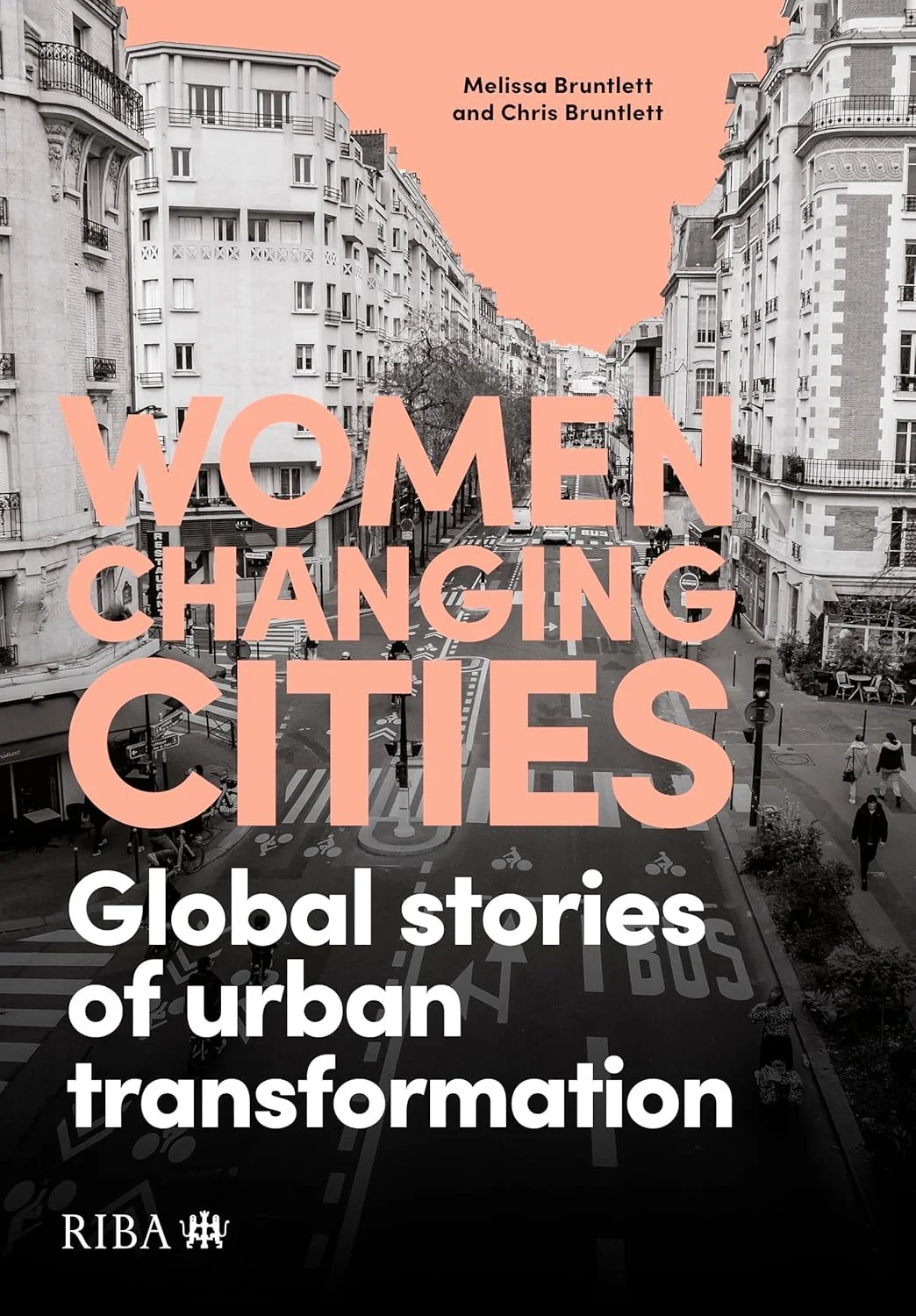
Women Changing Cities: Global Stories of Urban Transformation, By Chris Bruntlett and Melissa Bruntlett
"Women Changing Cities" by Melissa and Chris Bruntlett spotlights the groundbreaking efforts of female leaders—including mayors, planners, and advocates—who are transforming global urban spaces from Paris to Manila. Despite facing opposition, these women are actively reimagining mobility, reclaiming streets, and designing safer, more inclusive public spaces. Through real-world success stories, the book demonstrates that when cities are intentionally built with gender equity in mind, the result is a more liveable and thriving environment for everyone, serving as both a call to action and an inspiring blueprint for the future of urban design and sustainable transport.
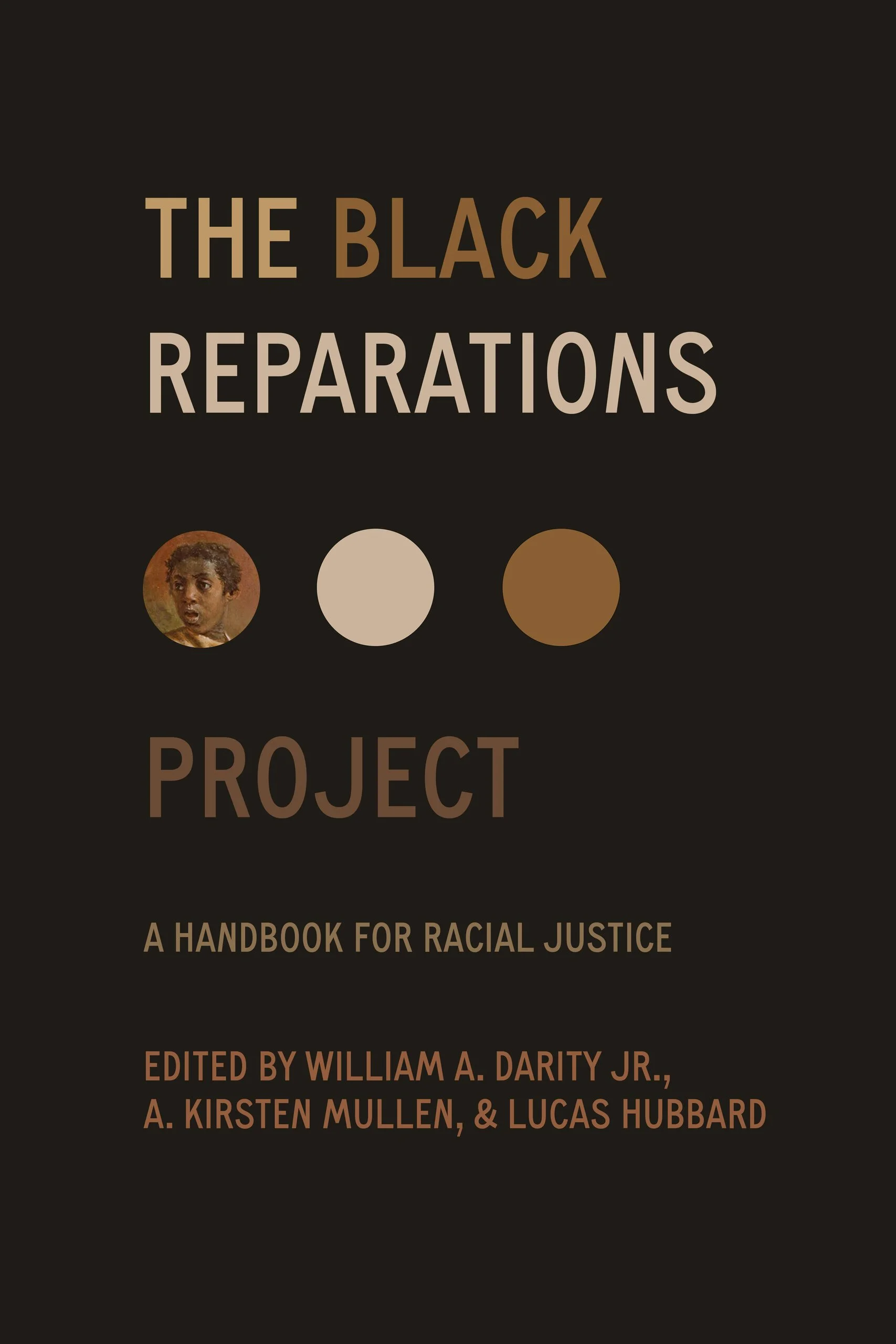
The Black Reparations Project: A Handbook for Racial Justice by William A. Darity (Editor), A. Kirsten Mullen (Editor), Lucas Hubbard (Editor)
A surge in interest in black reparations is taking place in America on a scale not seen since the Reconstruction Era. The Black Reparations Project gathers an accomplished interdisciplinary team of scholars—members of the Reparations Planning Committee—who have considered the issues pertinent to making reparations happen. This book will be an essential resource in the national conversation going forward.
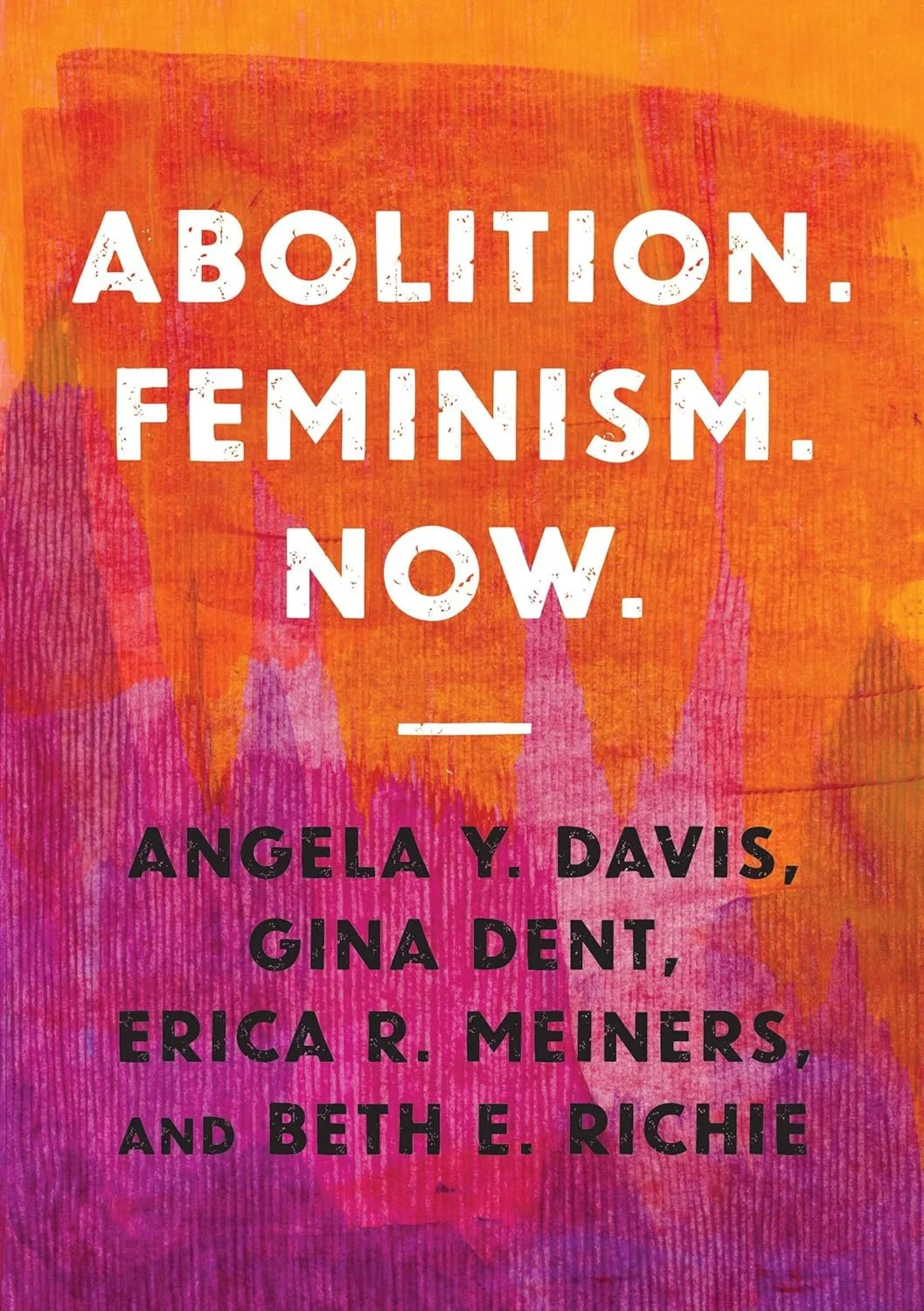
Abolition. Feminism.Now., by Angela Y. Davis, Gina Dent, Erica R. Meiners, and Beth E. Richie
Abolition. Feminism. Now. is a vital collaboration suggesting abolition and feminism are interconnected and necessary political projects. The book functions as both a call to action and a genealogy of movements, surfacing the critical, often-overlooked histories of queer, anti-capitalist, and women-of-color-led feminist struggles that have shaped both fields. By amplifying theories generated by grassroots organizing, the authors provide historical links and everyday practices needed to collectively imagine a future where all can thrive.