
2026 Outlook
The Shift Toward Human Interaction
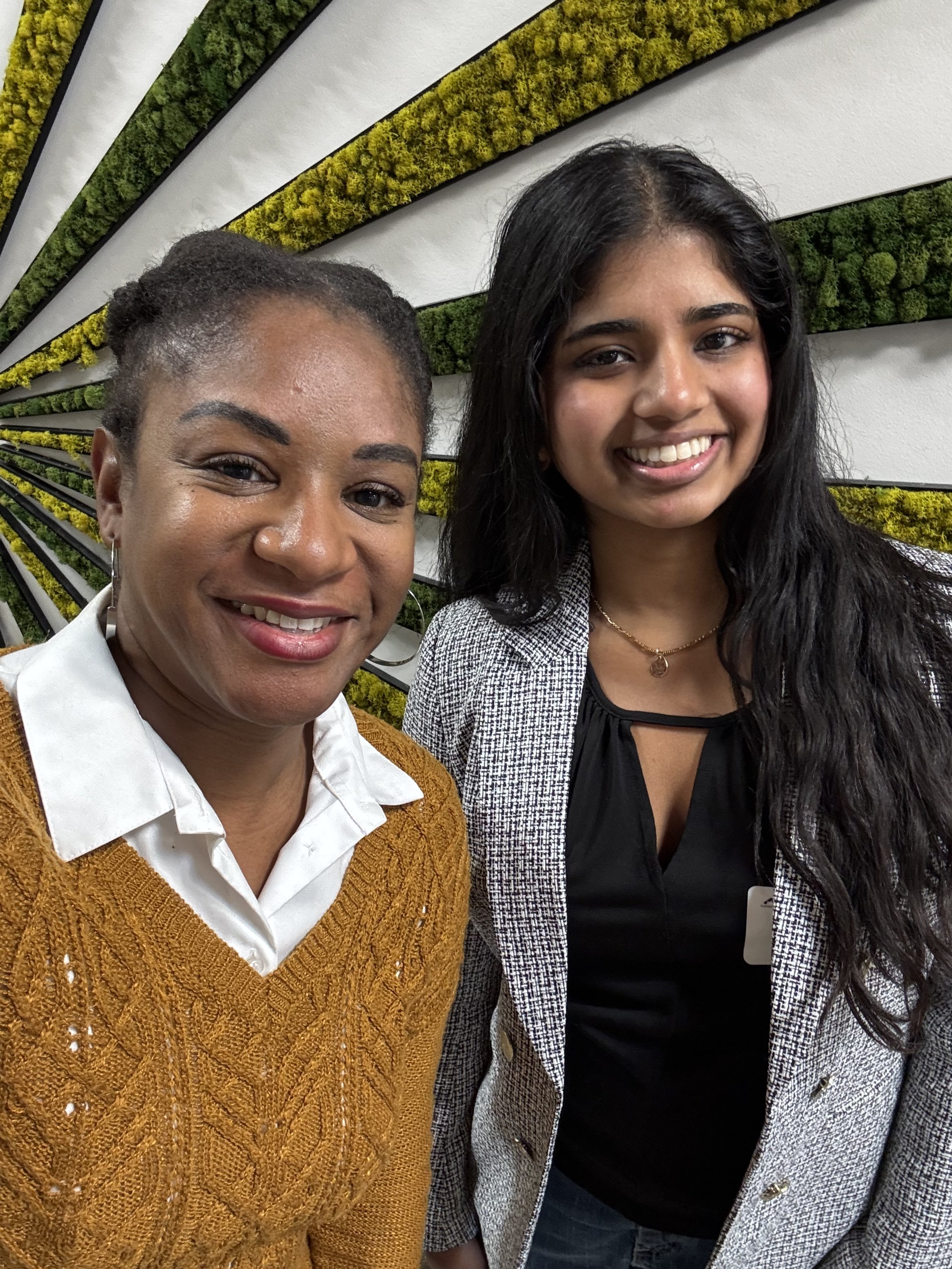
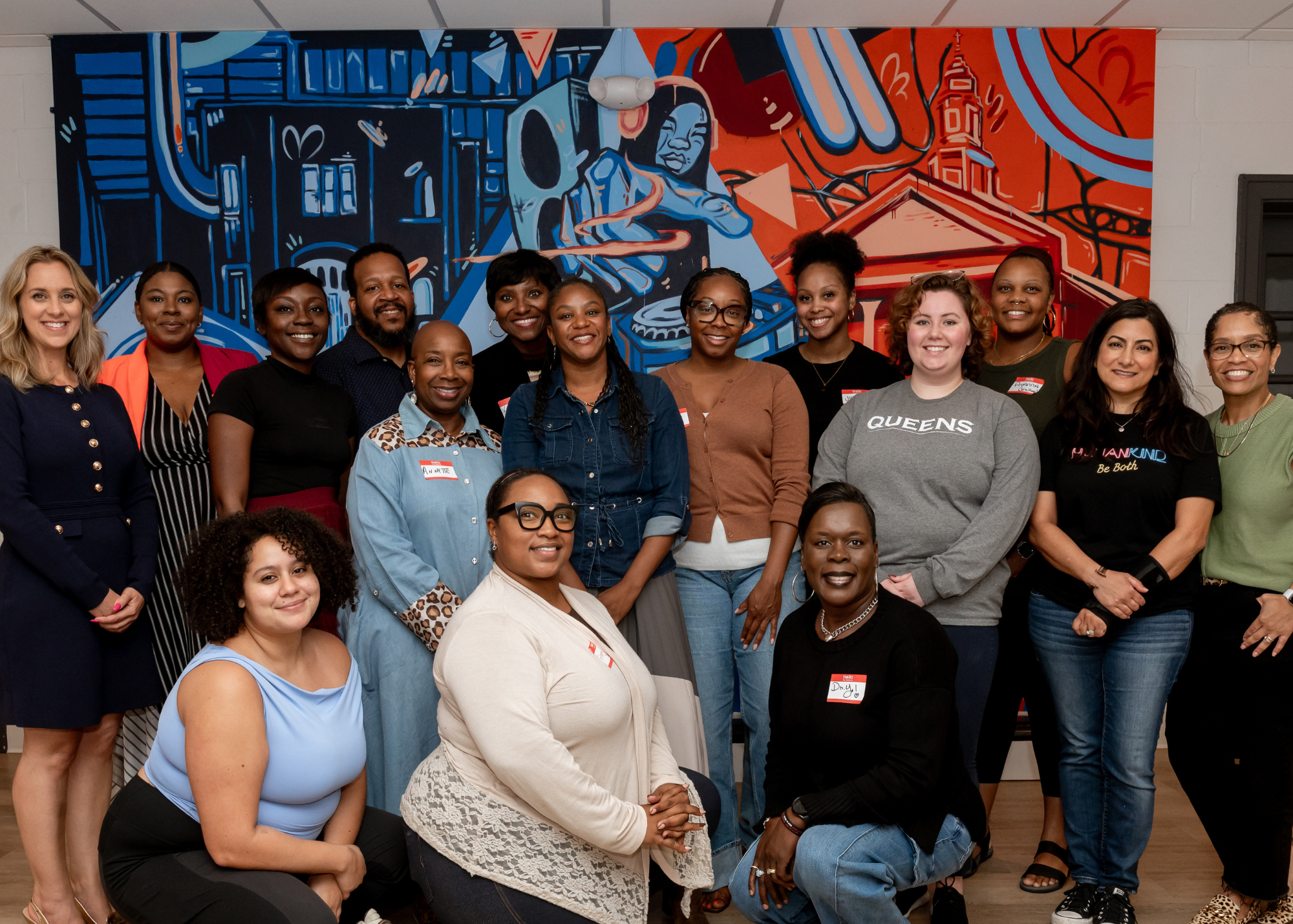
As we settle into 2026, the landscape of civic engagement and community development is shifting under our feet. Last year, our mantra at Civility Localized was staying power—the ability to remain steadfast amidst political and social fluctuations and the influx of powerful AI tools. This year, we are seeing that power evolve in very specific, hands-on ways.
From the rise of "human-first" AI to the localized push for reparative justice, here is where I see our communities heading.
1. The AI Paradox: High Tech Meets Human Touch
By now, the novelty of AI has worn off, and the reality has set in: it is a tool, not a replacement. In our work at Civility Localized, we’ve found that while Large Language Models (LLMs) are revolutionary for summarizing massive data sets and standardizing analytics, they hit a hard wall when it comes to true creativity and nuanced community empathy. I use tools like Gemini, Claude, and Chat GPT to organize my thoughts, automate calendar and communications functions, and even develop creative presentations, but I’m not using it to replace deep thought or local connection.
2. Buzzwords of the Year: Workforce Development
If 2025 was about holding the line, 2026 is about building the ecosystem. We are seeing a massive surge in grassroots organizing. In the absence of consistent federal infrastructure investments, and amid rising costs due to tariffs, communities are building on their own.
Expect to see laser-focus on:
Trades & Grassroots Skillbuilding: There is a renewed interest in, and need for skilled tradespeople. We’re seeing communities prioritize training that keeps talent local and accessible through resource centers including lending libraries, community centers, and time-sharing networks.
Micro-investments: Rather than chasing corporate wins and large-scale funding initiatives, local governments continue to pivot toward micro-grants. This looks like more agile and direct support for grassroots business, artisans, and creatives, and its impacts are more immediate.
Hyper-Local Infrastructure: Think ADA construction training for small businesses, placemaking led by neighbors, and public libraries and community centers evolving into sophisticated tech and trade hubs.
3. Organizing as a Way of Life
Communities aren’t just participating in local government anymore—they are organizing power structures of their own. We are seeing reparations movements and reparative justice frameworks move full steam ahead, specifically at the local level. I’m thinking about all the Gofundme campaigns circulated to save small businesses, petitions to stop neighborhood displacement, and more. City halls and county commissions have always been front-line laboratories for justice. It’s only becoming more and more apparent that local change doesn't have to wait for national consensus.
Let Us Know: what are you seeing in your neck of the woods? Is your community leaning into self-reliance, or still navigating the "staying power" of last year? Let’s discuss in the comments or send us a message at hello@civilitylocalized.com to share.
For more insights like this and ways to get involved, subscribe to our bi-weekly newsletter below.