
Learning Styles:
Consider These 3 When Planning Public Meetings
The best communicators know how to use a variety of learning modalities to inform and engage audiences.
During my graduate school studies in Public Administration, I worked at the University Center for Academic Excellence at University of North Carolina at Charlotte teaching professional development classes like time management and study skills. But the concept that stuck with me most, and the class I always enjoyed teaching most, was the 3 Learning Styles. Simple but powerful, it's a concept I still use to this day as a community engagement consultant, to inform how I design community meetings.
The three main learning styles (there may be others) are Visual, Auditory, and Tactile. One can be a Visual Learner, an Auditory Learner, or a Tactile Learner. The best communicators know how to use all three to inform and engage their audience.
When it comes to designing public meetings for community engagement projects, you want to make sure you have opportunities for people of any learning style to get the most out of the experience.
1. Visual Learners always benefit most when information is presented in a way they can see and absorb. Think presentations on a screen, videos, feedback boards on an easel, maps, colorful guides, and written project information displayed throughout the space. Visual learners usually get the most benefit from attending these kinds of meetings:
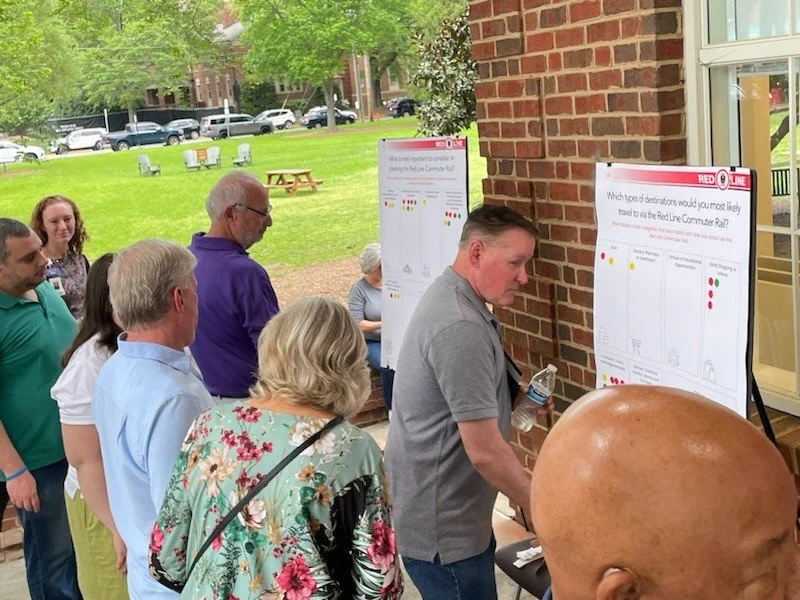
Open House with display boards and maps
Visual surveys with infographics or illustrated response options
Pop-up events with printed materials and project renderings
Selfie stations or opportunities to interact and share images
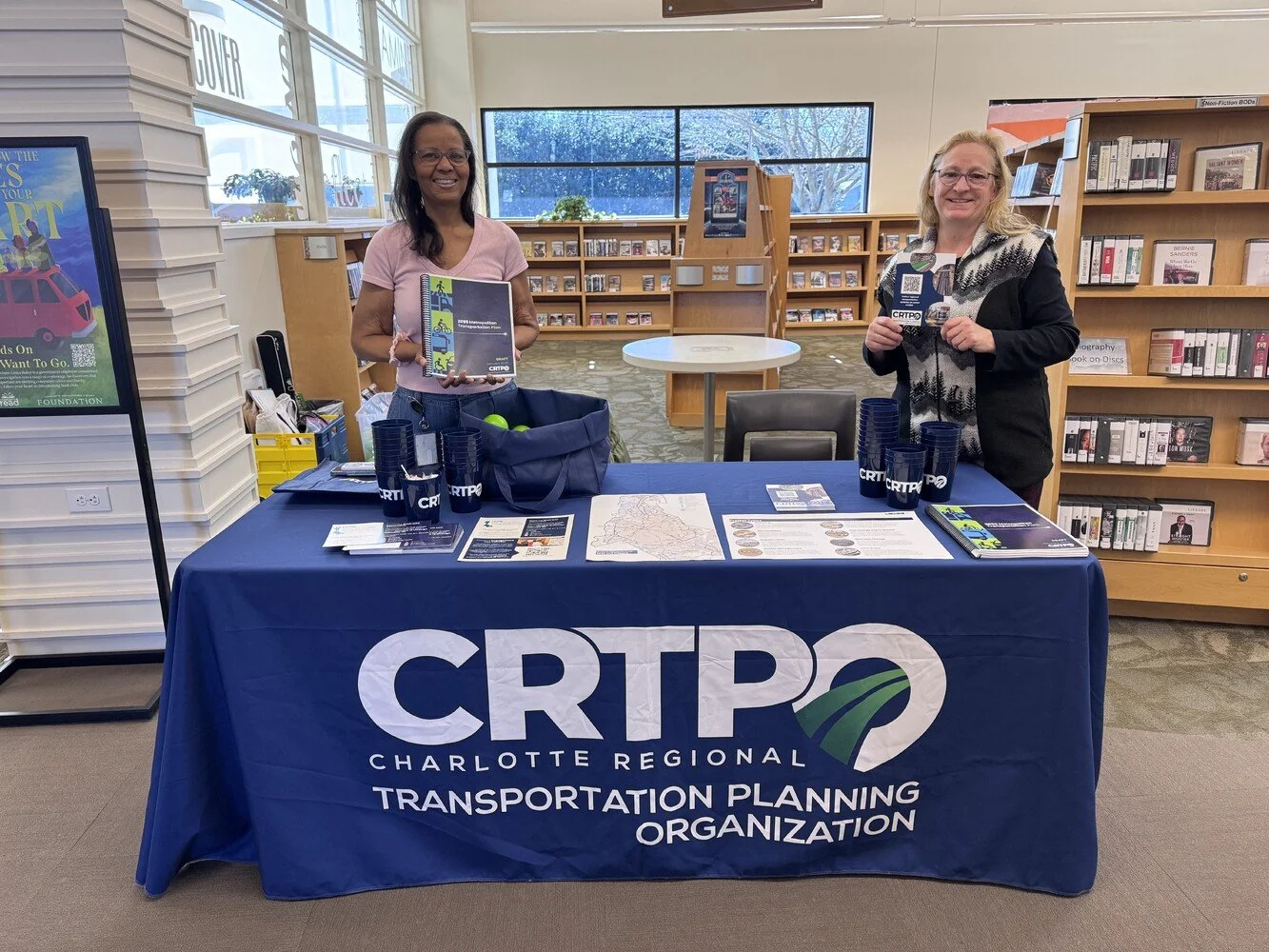
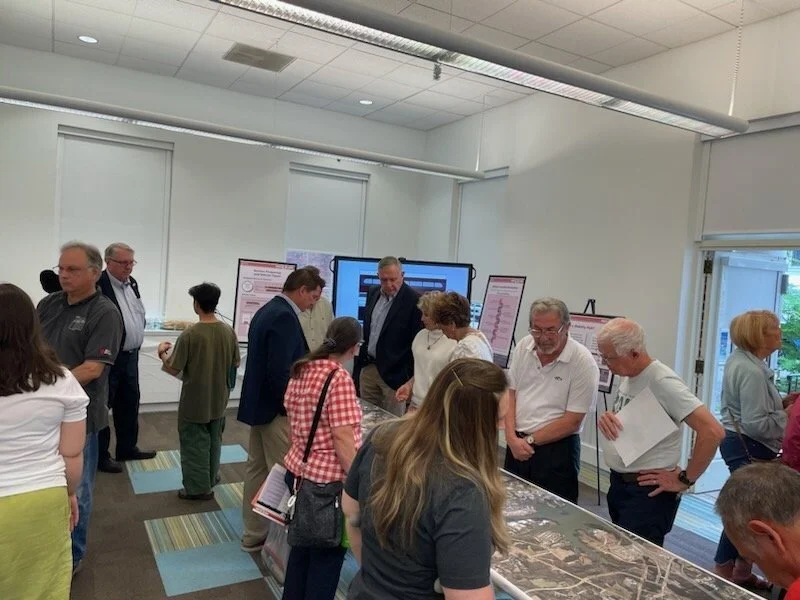
2. Auditory Learners may not always be top of mind when planning, but they thrive in structured listening environments. A seated discussion where a presenter covers project information and takes questions from the audience is prime time for auditory learners. Or sitting an a small group roundtable discussion where everyone gets a chance to be heard one by one. By contrast, the disjointed small group huddle conversations typical of an open house format can leave auditory learners overstimulated and disengaged. Auditory learners may thrive best with these kinds of meetings:
Town Halls
Listening Sessions
Public Hearings with open Q&A
Panel discussions or moderated community forums where videos and presentations are shared
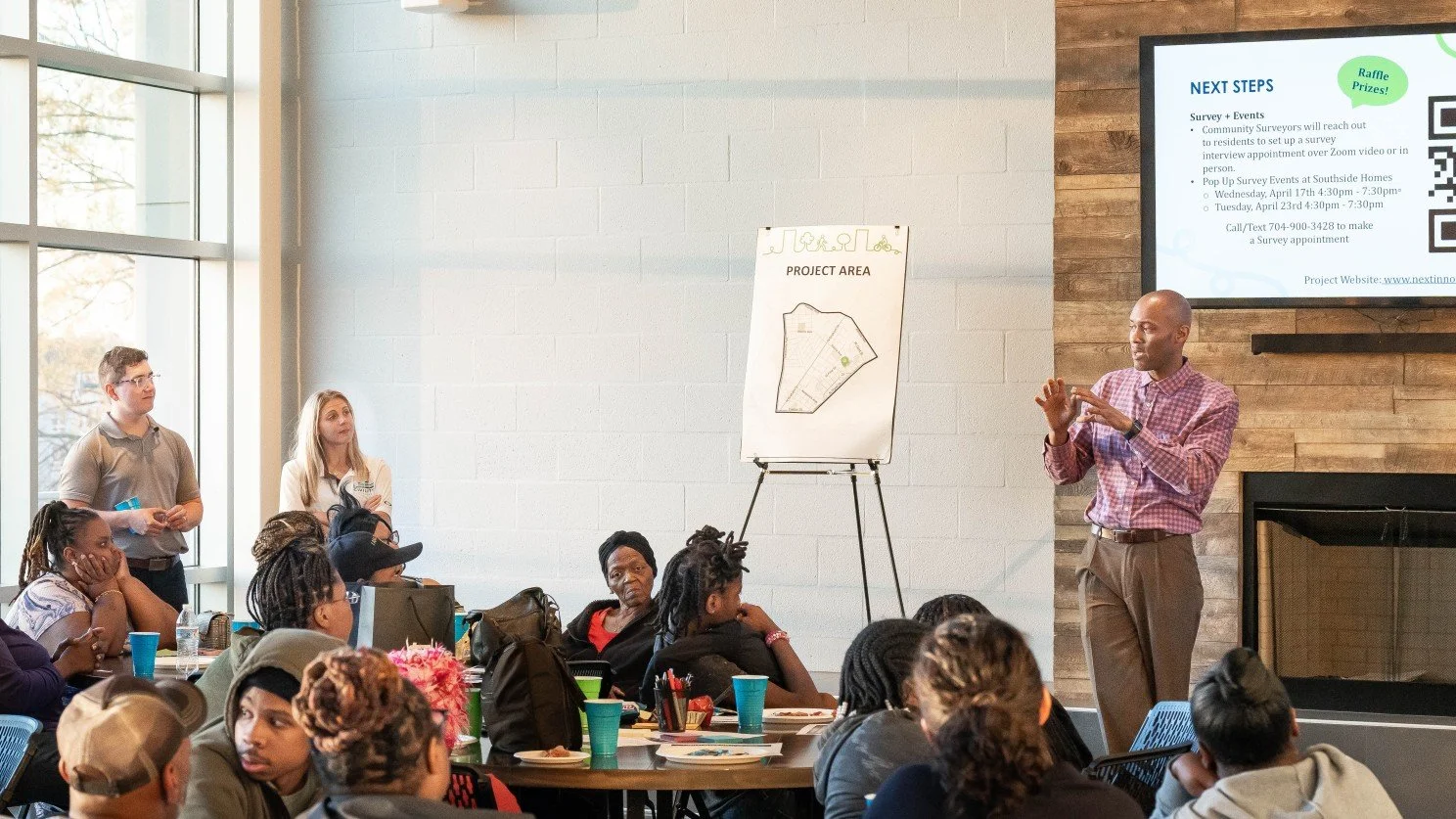
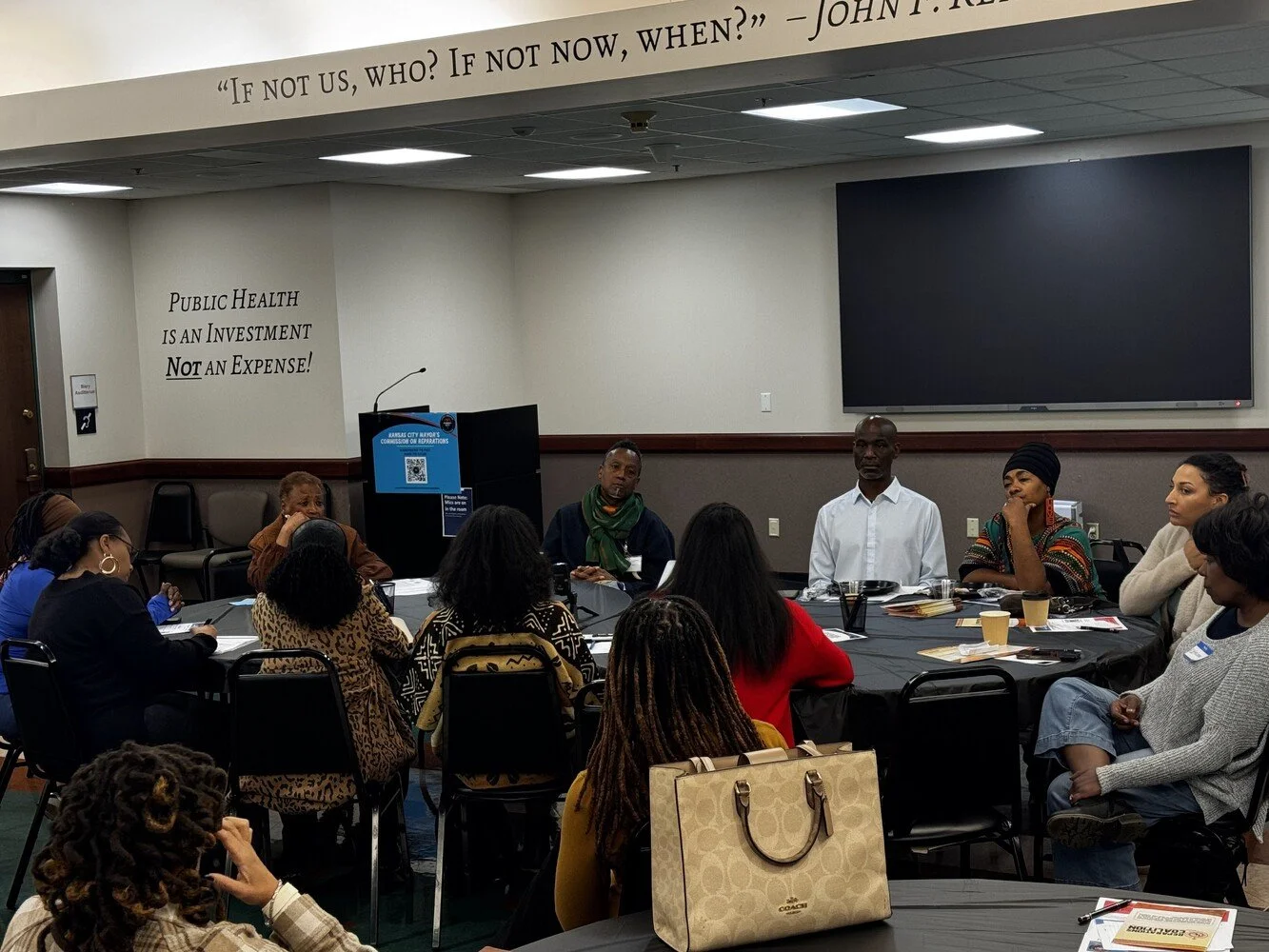
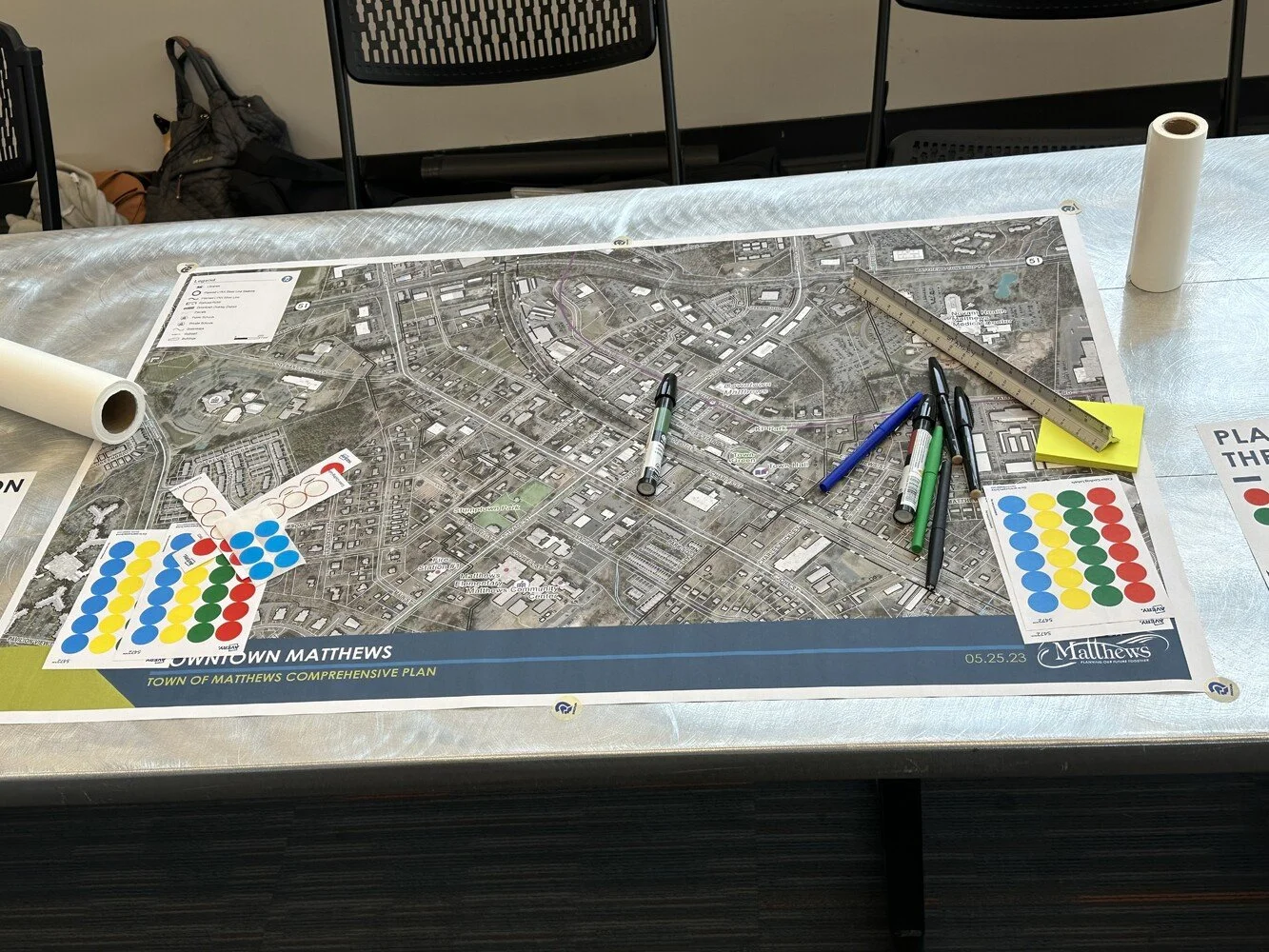
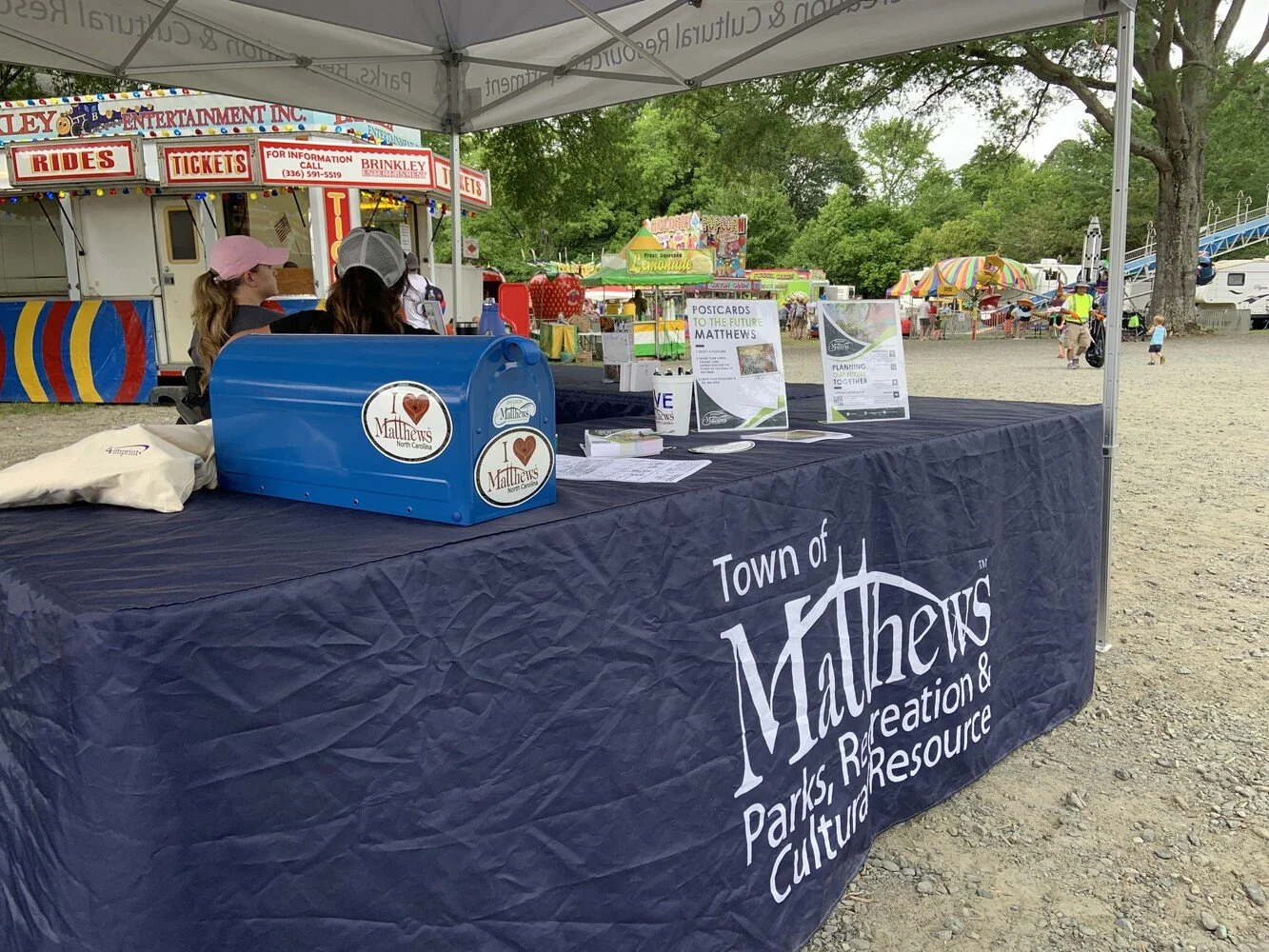
3. Tactile Learners are energized by hands-on experiences and activities. Give them something to do like write thoughts on a sticky note and post it on a board, place a sticker or pin on a map, or submit a written comment on a postcard. When they can interact with the process physically, they're engaged. Tactile learners usually get the most out of these kinds of meetings:
Dot voting or sticker polling activities
Interactive mapping exercises
Scavenger hunts or passport stamping
Comment card or postcard stations
Hands-on workshop sessions or design charrettes
So much of what we do today for public meetings neglects the delicate balance of learning styles altogether. Filling out a paper survey lands very differently for a tactile learner compared to scanning a QR code. Taking a selfie or recording a short reflection video could make all the difference for the visual or auditory learner who need that special detail to retain information and share takeaways from the session.
And of course, there's always swag! Giveaway items serve as both a visual and physical reminder of the engagement experience. Always have a swag item or printed takeaway ready at your public events.
When you go above and beyond and put Engagement First, you realize you're hosting events that are good for all people and not just the ones whose learning styles have always been prioritized.