For The Record
Collecting Oral Histories In Kansas City, Missouri
February, 2026: A Century of Black History Commemorations
The year 2026 marks one hundred years of formal efforts to honor the lives and contributions of African Americans. This centennial of Carter G. Woodson’s Black History education initiative is not just a look back; it is a call to continue the deep, often difficult work of restorative justice this nation needs.
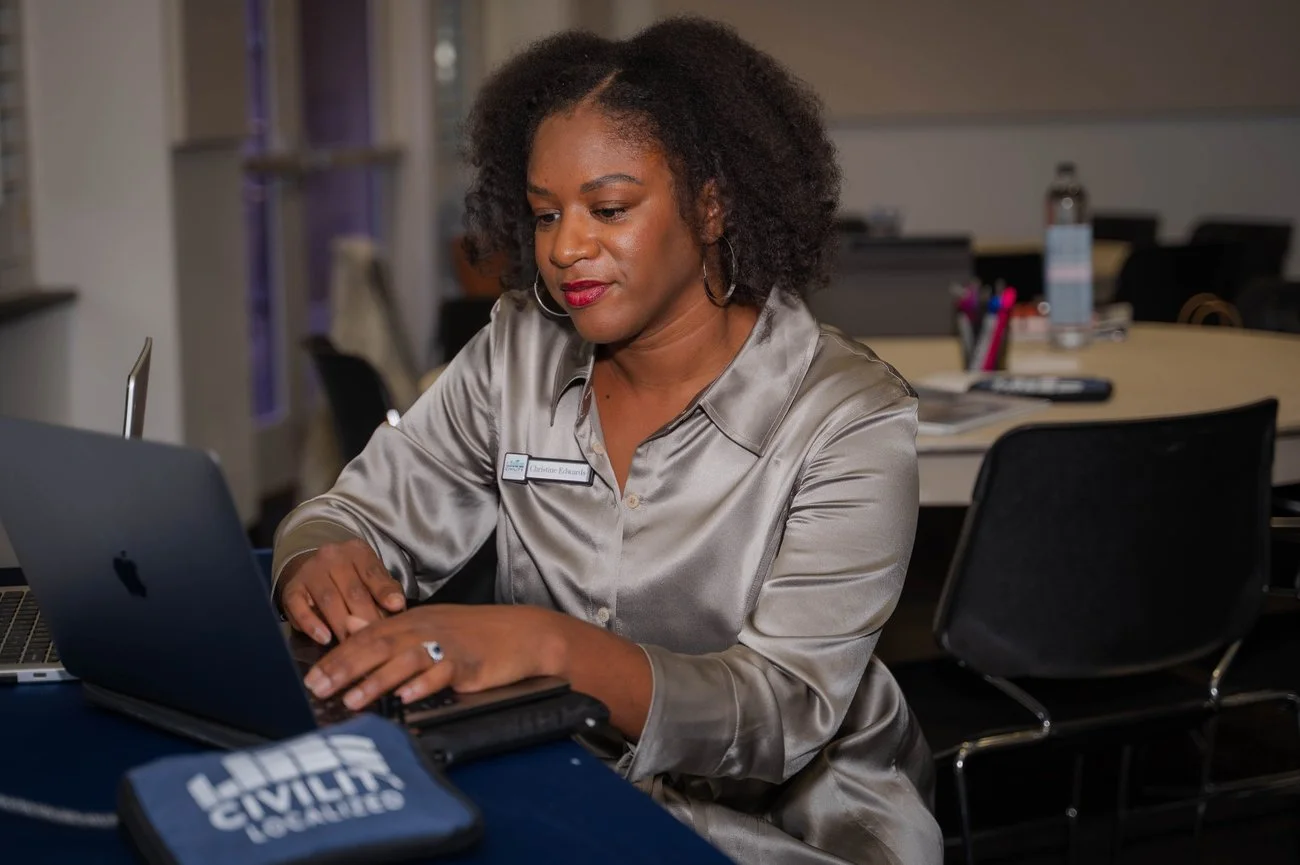
For Civility Localized, our journey in the reparations space has been rooted in a commitment to local governance and civic participation. One of our guiding principles is to see every community grow with dignity. This philosophy has guided some of our most influential partnerships in the local government reparations space:
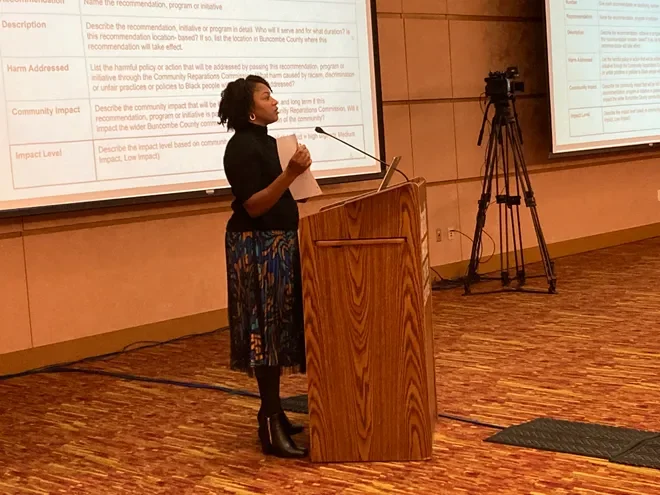
Asheville, NC: In 2020 the City of Asheville (Buncombe County, NC) set aside $5.6 Million in their public budget for reparations. After forming their Community Reparations Commission, the intense work of facilitating research, community conversations, nd ultimately recommendations for reparative measures began. Civility Localized founder Christine Pitkin, MPA served as project manager from 2022 to 2024 and led the committee in processes to develop recommendations in the areas of public health, education, housing, and more. Designed to remove structural barriers to health, wellness, and justice built through generations of systemically harmful public policies, those recommendations have since been implemented.
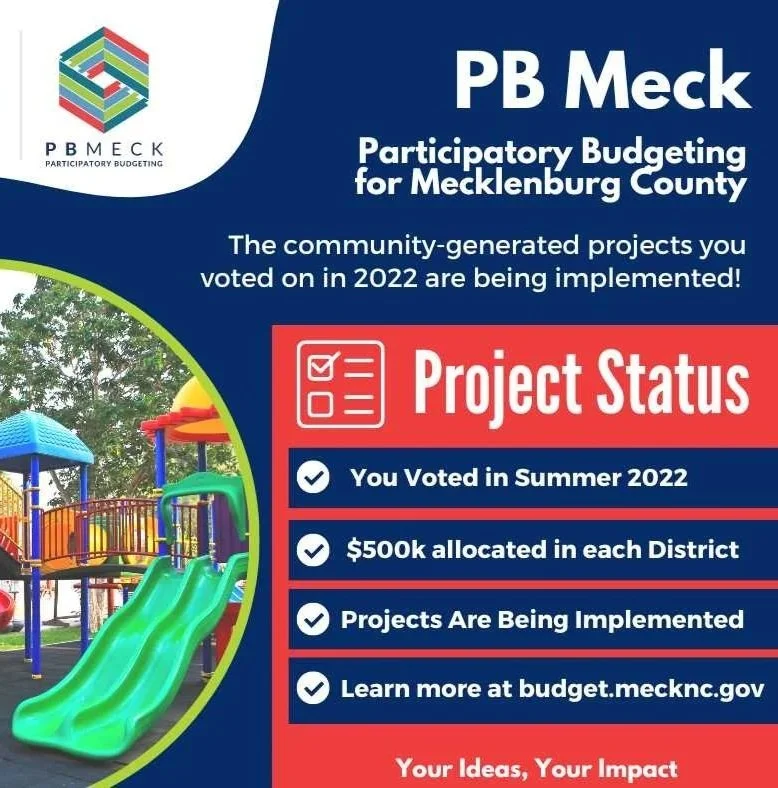
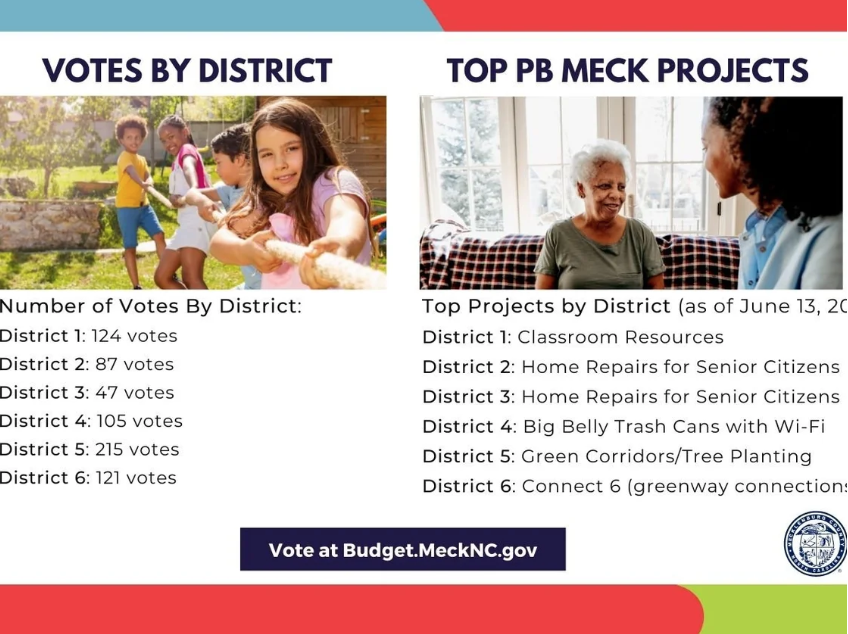
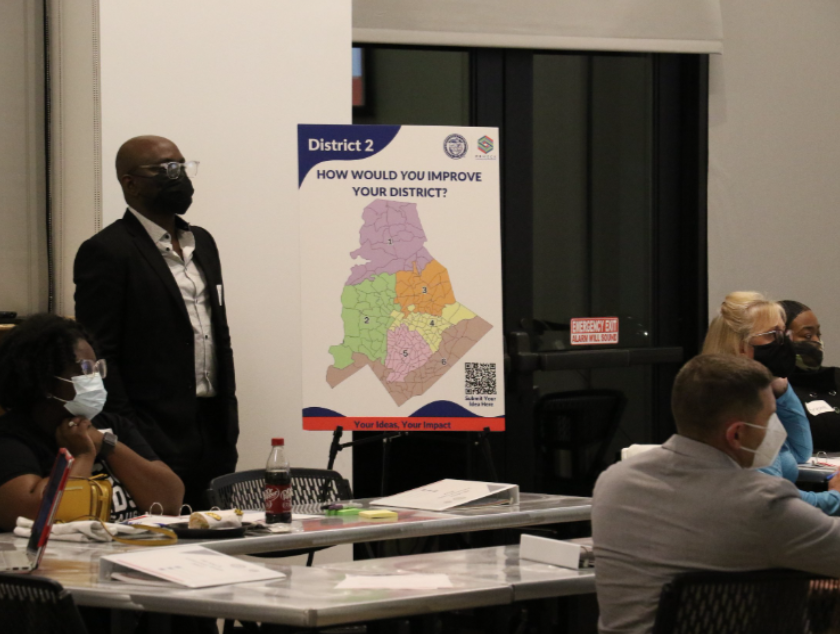
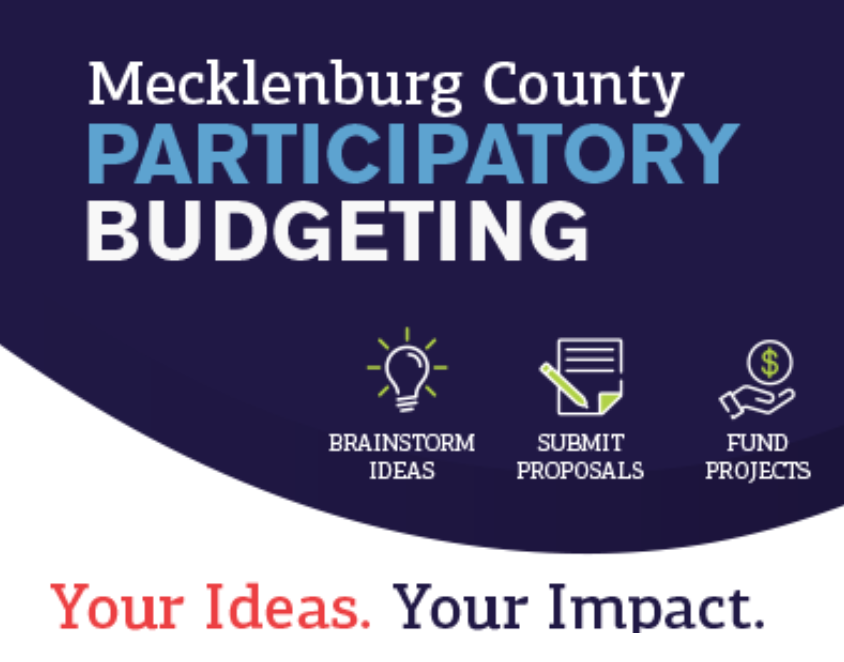
Mecklenburg County, NC: In 2021, Mecklenburg County piloted it’s first Participatory Budgeting Program (also known as PB Meck). As prime community engagement consultants on this project, Civility Localized facilitated public meetings and communications that put $3 million of public budget decision-making power directly into the hands of residents. Over the course of this year-long project, our firm ensured that direct civic participation allowed communities to fund the specific projects they deemed most beneficial. From park upgrades to funding food pantries and library resources, folks prioritized safety, community, and sustainability again and again.
From North Carolina to Missouri
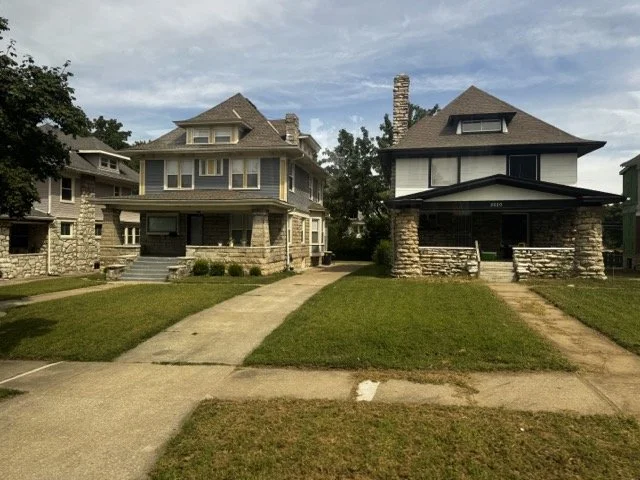
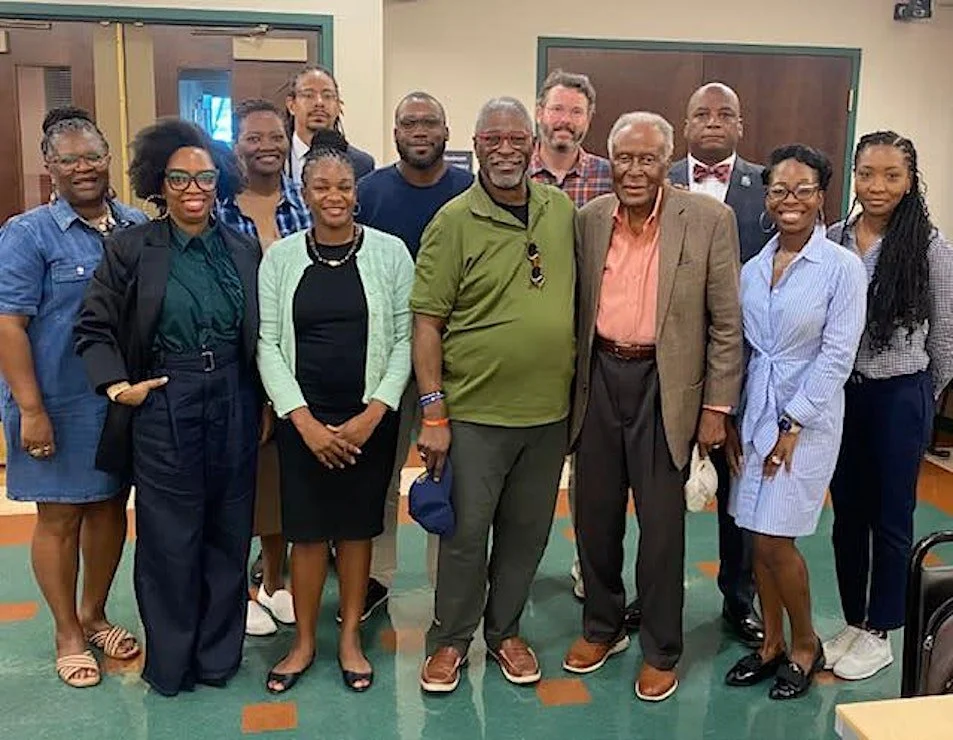
Today, that same commitment to repair takes us to Kansas City, Missouri. We are currently honored to support the KCMO Mayor's Commission on Reparations, a methodical effort to address specific harms inflicted by public policies and practices of the past and present. Addressing such practices as redlining and public initiatives that destroyed Black Kansas City neighborhoods in the name of improving infrastructure, this reparations initiative is another example of the power of local government.
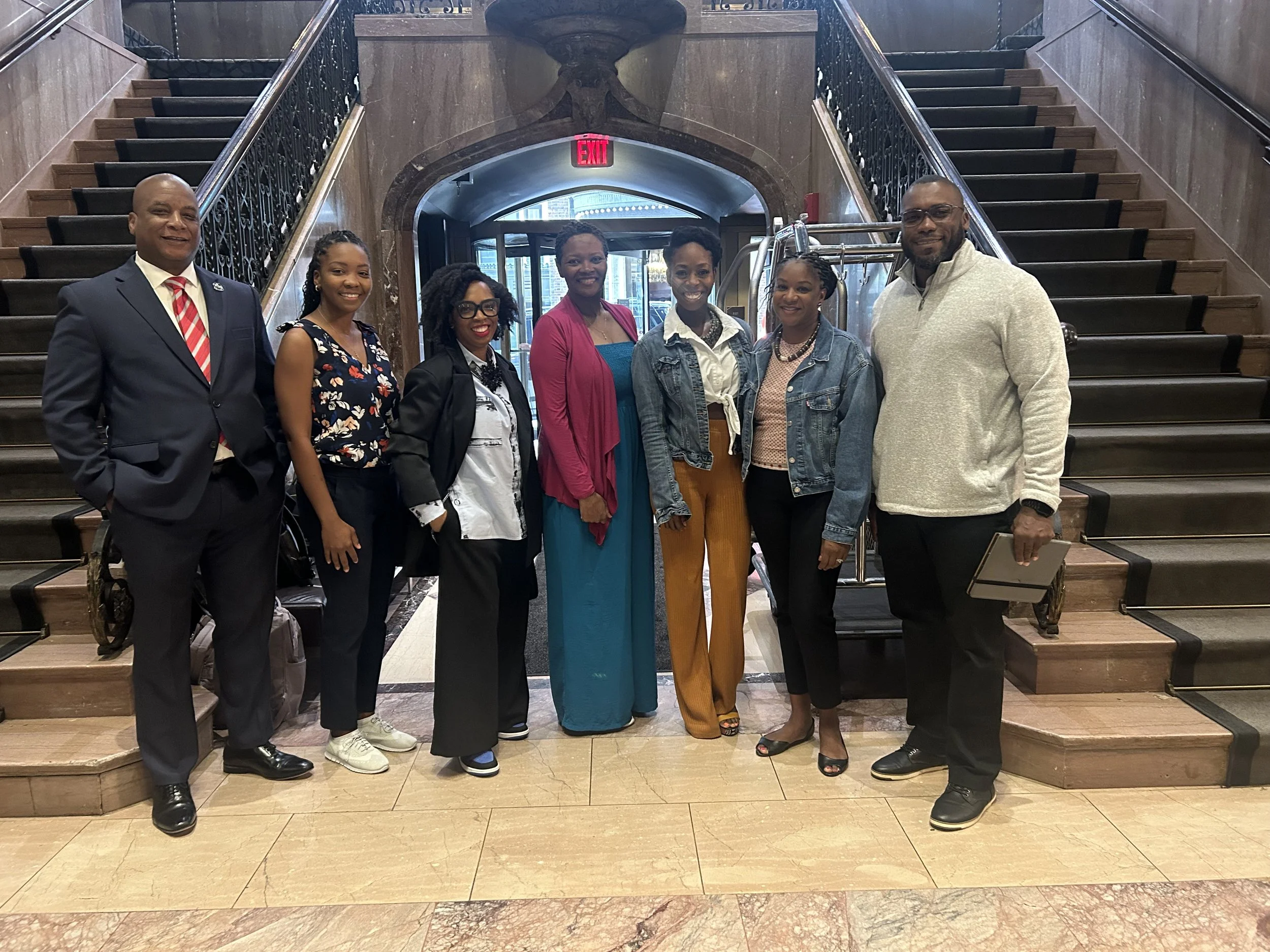
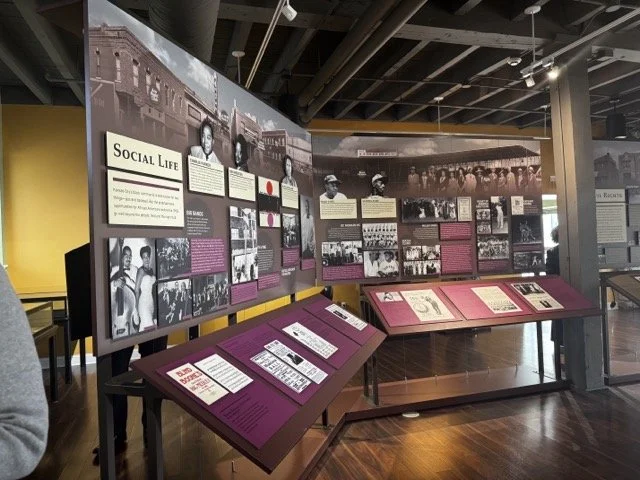
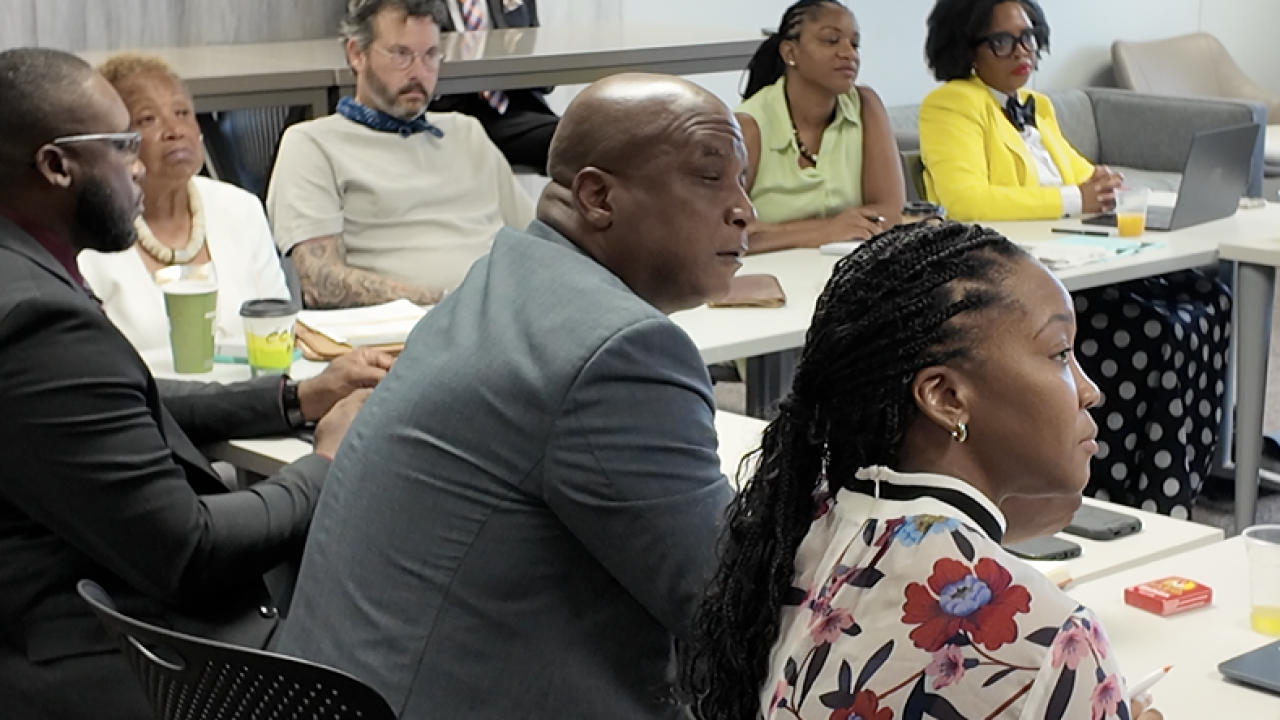
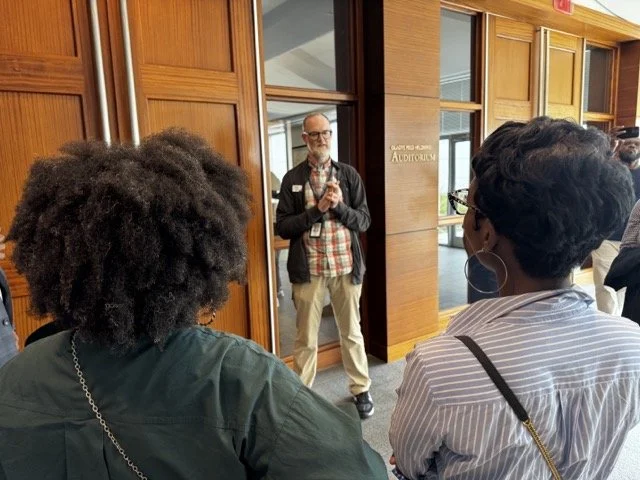
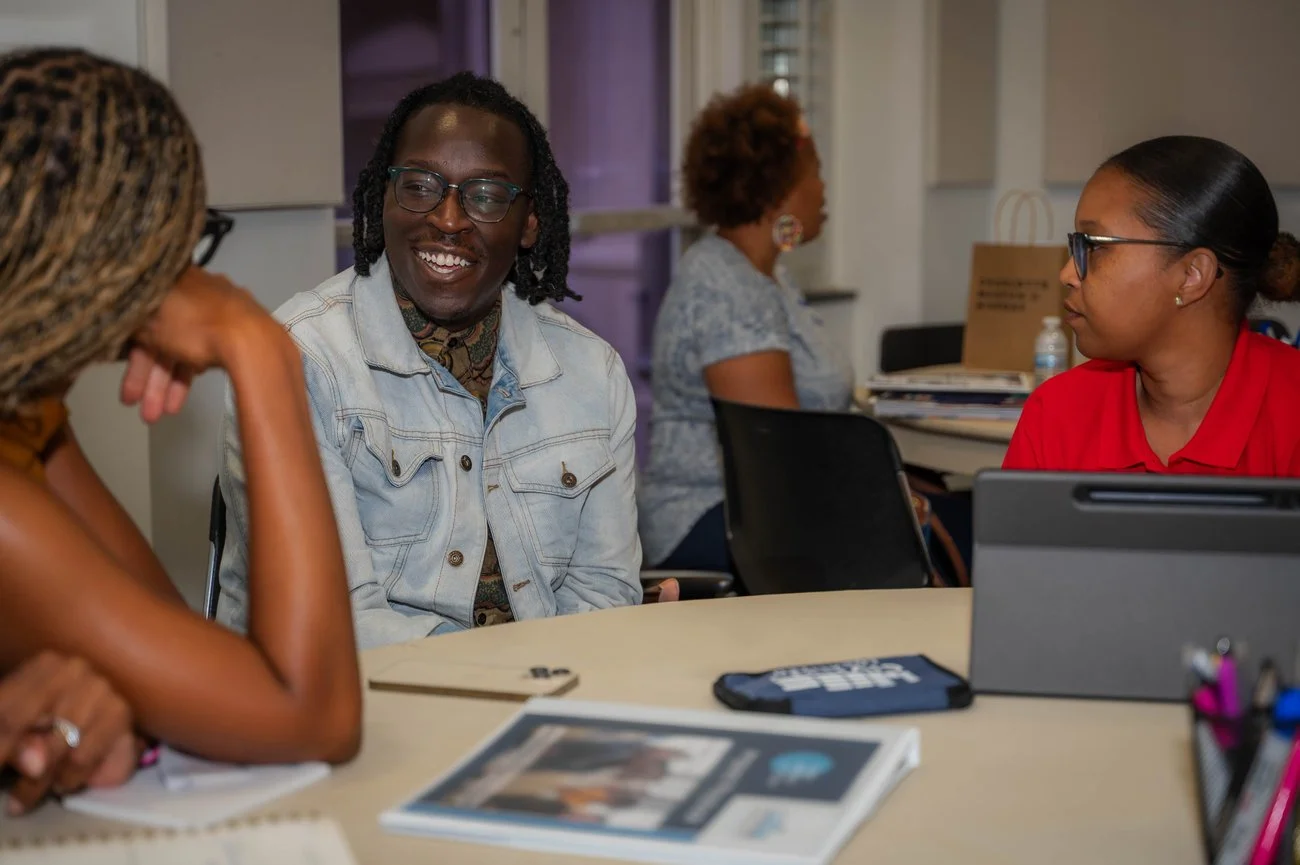
The Civility Localized team is tasked with gathering oral histories in Kansas City. These testimonials of resilience and the intergenerational effects of historical injustices document public harm for the record. This process is designed to ensure the commission’s recommendations are anchored in the lived realities of Kansas City families. These stories form one of the foundational aspects of this critical undertaking, and it’s work we approach with reverence.
Background
Kansas City Mayor Quinton Lucas established the 13-person commission in May 2023 with a clear mandate: to study and develop concrete proposals for reparatory justice. The commission is not just a symbolic gesture; it is a methodical effort to identify and address the specific harms inflicted by historical city policies and practices that contributed to systemic racism. This is a task of immense complexity, as it requires a deep dive into decades of discriminatory actions, from redlining that created racially segregated neighborhoods to the purposeful destruction of Black communities for infrastructure projects.
The work is organized into five focused subcommittees, covering critical areas including healthcare, education, housing, economics, and criminal justice. This multi-pronged approach acknowledges that the legacy of racism permeates every aspect of society. Each subcommittee is tasked with a difficult question: how did our city’s policies contribute to racial inequities in this specific area, and what actions can be taken now to begin to repair that damage? As the commission seeks answers, it is also educating broader communities about the necessity of this work.
This is where community voices become paramount. Through our partnership, Civility Localized is facilitating public listening sessions and engaging with residents to ensure that the process is anchored by the lived realities of the Black families of Kansas City. By documenting these narratives, we create permanent records that validate experiences and provide invaluable context for the commission’s recommendations.
The path to reparations in Kansas City may be long, but the momentum is undeniable. Like so many local governments, those in leadership recognize there is a void to be filled in the absence of Federal and State-level reparations. This commission's work is a testament to the forward progress Kansas City will make as they name and address harms of the past.
Addressing harm is a collective responsibility carried across generations. Civility Localized is honored to play a part in this process, helping to ensure that the voices of the community guide the city toward repair.
Media Mentions:
Follow this project as it unfolds. Here are some insightful pieces of news coverage on the project:
Mayor’s Commission on Reparations Works on Remedies for Racial Inequites in Kansas City Missouri