
Community Engagement
Let’s Talk About Community Engagement
Listening sessions, town halls, focus groups - they are all forms of community engagement used to gather input from folks as public projects take shape.
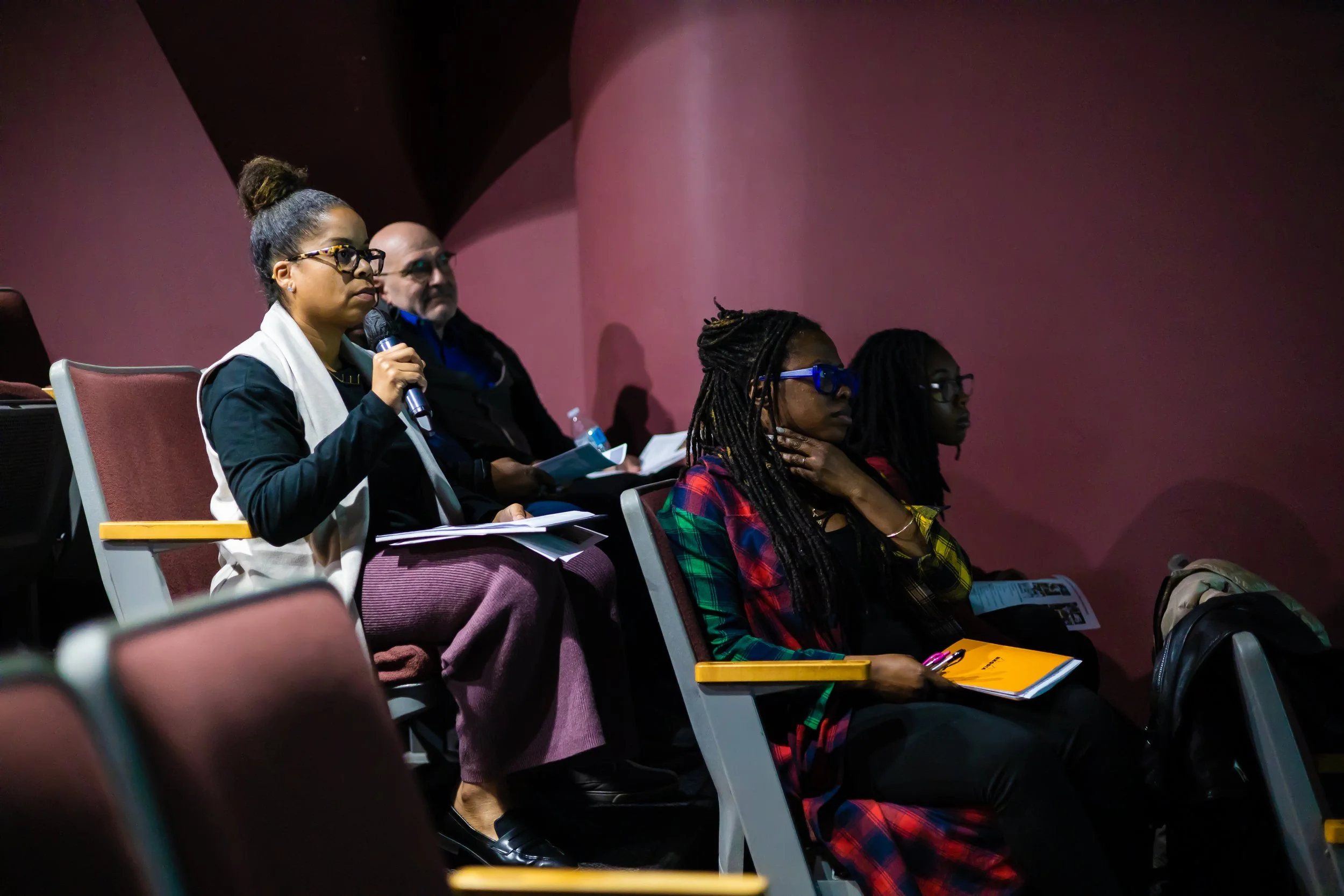
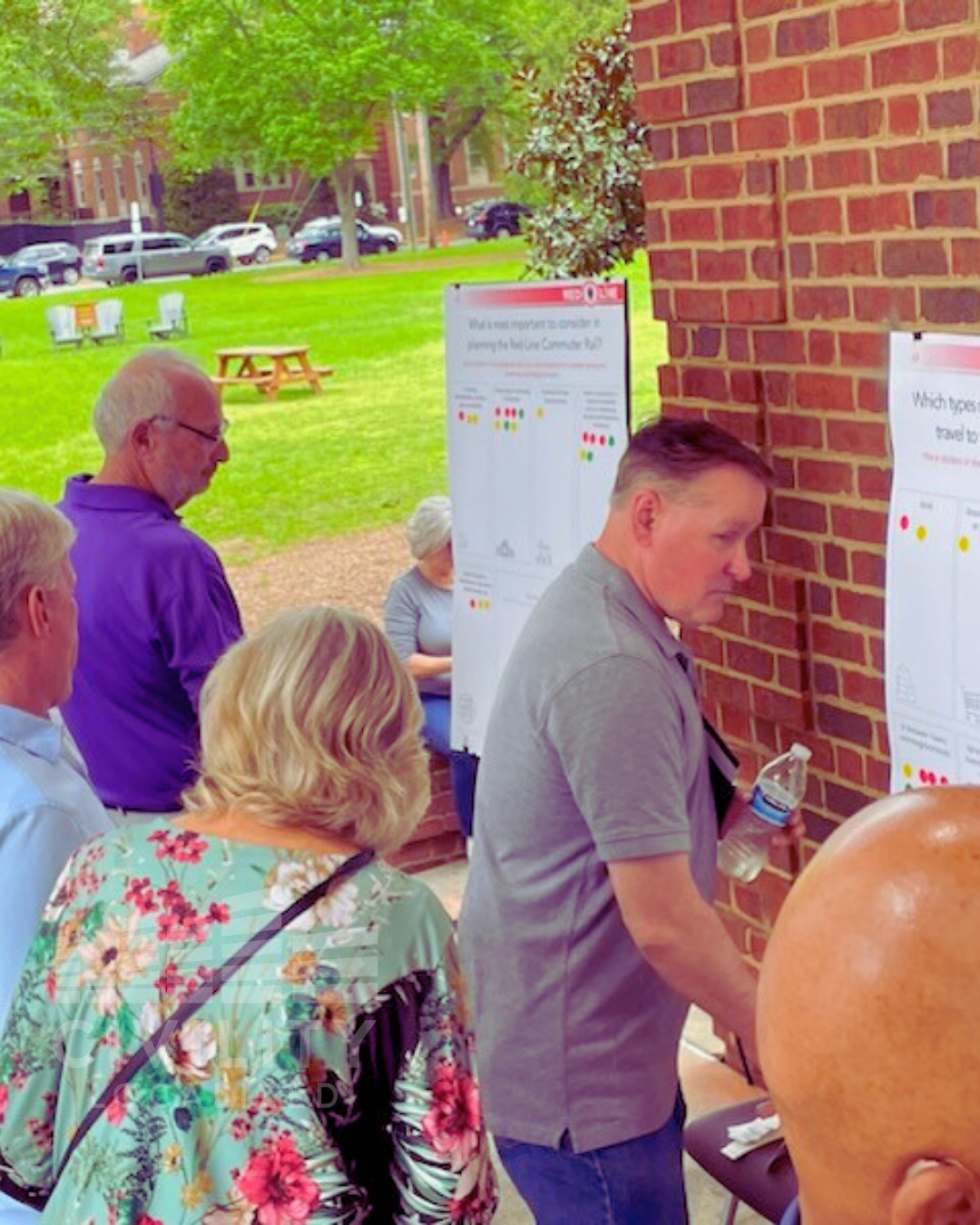
In this image, North Carolina residents are learning about and responding to their county’s plans for re-imagining a historic site that includes complicated histories of indigenous displacement, private land ownership, enslavement, and public use as a park. Giving locals an opportunity to shape outcomes as historic sites and public spaces evolve is critical to sustainable urban growth.
If you’ve ever walked down the street and wondered why a new bike lane stopped abruptly, or why a park was built with equipment nobody uses, you’ve seen what happens when community engagement is missing.
At its core, community engagement is the process of making sure the people who live in a neighborhood actually have a say in how it changes.
Here’s how this works. Towns, cities, and counties have government offices in charge of urban planning. Planners work with other government offices, as well as private companies and contractors to make decisions on when to remove, add, or change infrastructure. This might include something like adding new bus rapid transit lines or re-imagining a community garden space in a down-town area. These offices use processes to determine which projects to pursue and when. One of the first (and most important) steps in determining what moves forward and how it plays out, is engaging the community.
Essentially, the goal of community engagement is to align the government’s technical plans with the actual needs, goals, and daily realities of residents.
When done right, community engagement is about making sure that the future of a community is equitable and built for everyone, not just a privileged few.

Beyond Town Hall Meetings
Some of our readers may be familiar with the old-school way of doing things. Here’s the scenario: there’s a Tuesday night public meeting at 6:00 PM in a stuffy government building. Attendees are greeted with text-heavy flyers, and 50-question surveys with questions that haven’t changed much since the early 2000’s.
For some folks, especially in neighborhoods that have been historically marginalized, these tired engagement methods act more like walls than doors.
When we think of folks working inflexible jobs, or those without exclusive use of a car, it becomes obvious that getting to a weeknight meeting might be unrealistic. Similarly, for anyone whose first language is not English, the signage, surveys, and flyers at this kind of engagement does not readily invite input.
At Civility Localized, we’re committed to changing these kinds of outdated, short-sighted engagement dynamics.
We’re a minority and woman-owned consulting firm methodically increasing equity and inclusion at public engagement across the country. We bring civic passion to the movement for more equitable and inclusive urban planning and growth. We believe the engagement process can shift power back to the people, where it belongs. Whether talking about public transit, county budgets, or reparations, we want to make sure the engagement process is as vibrant as the community itself.
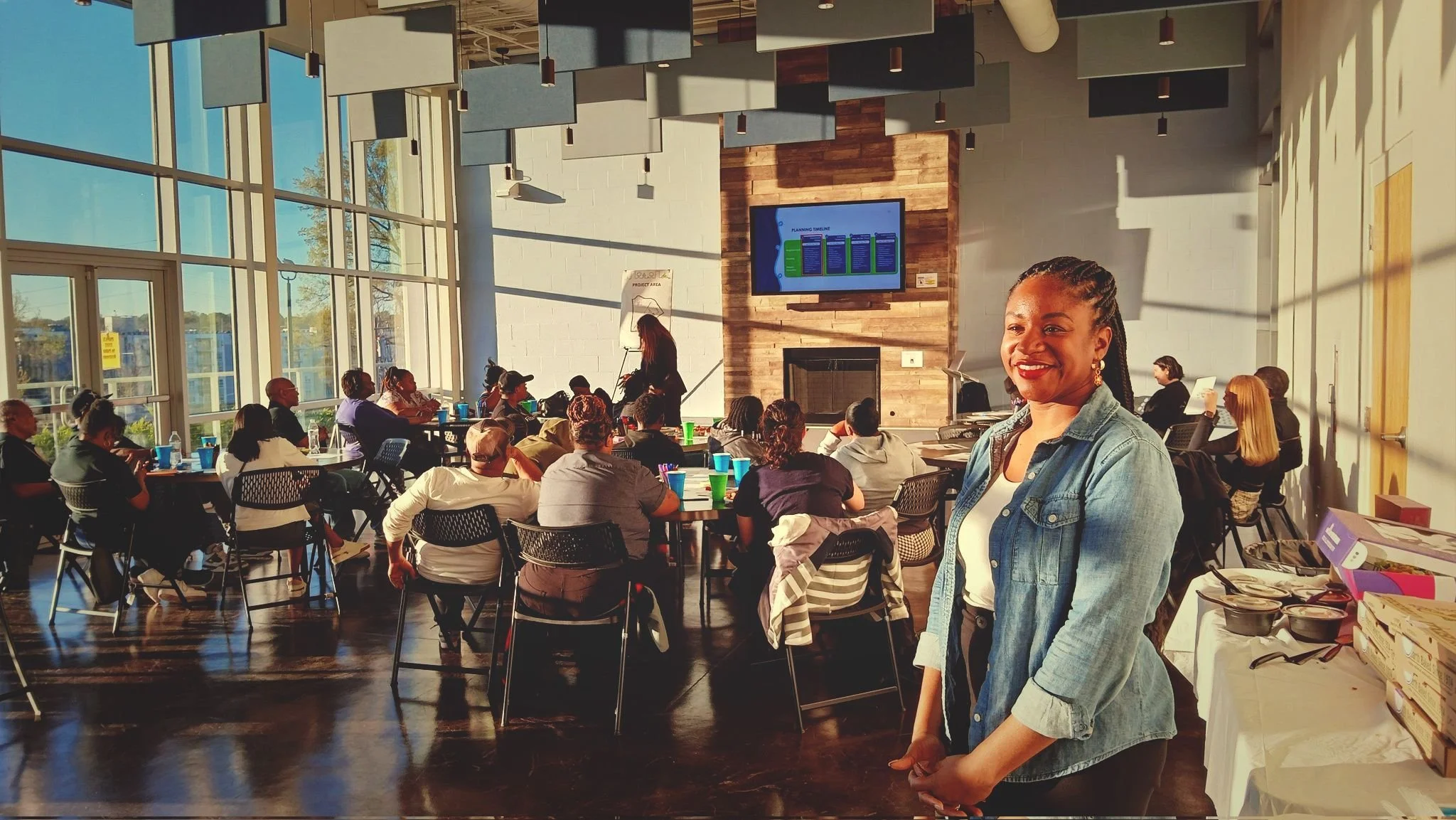
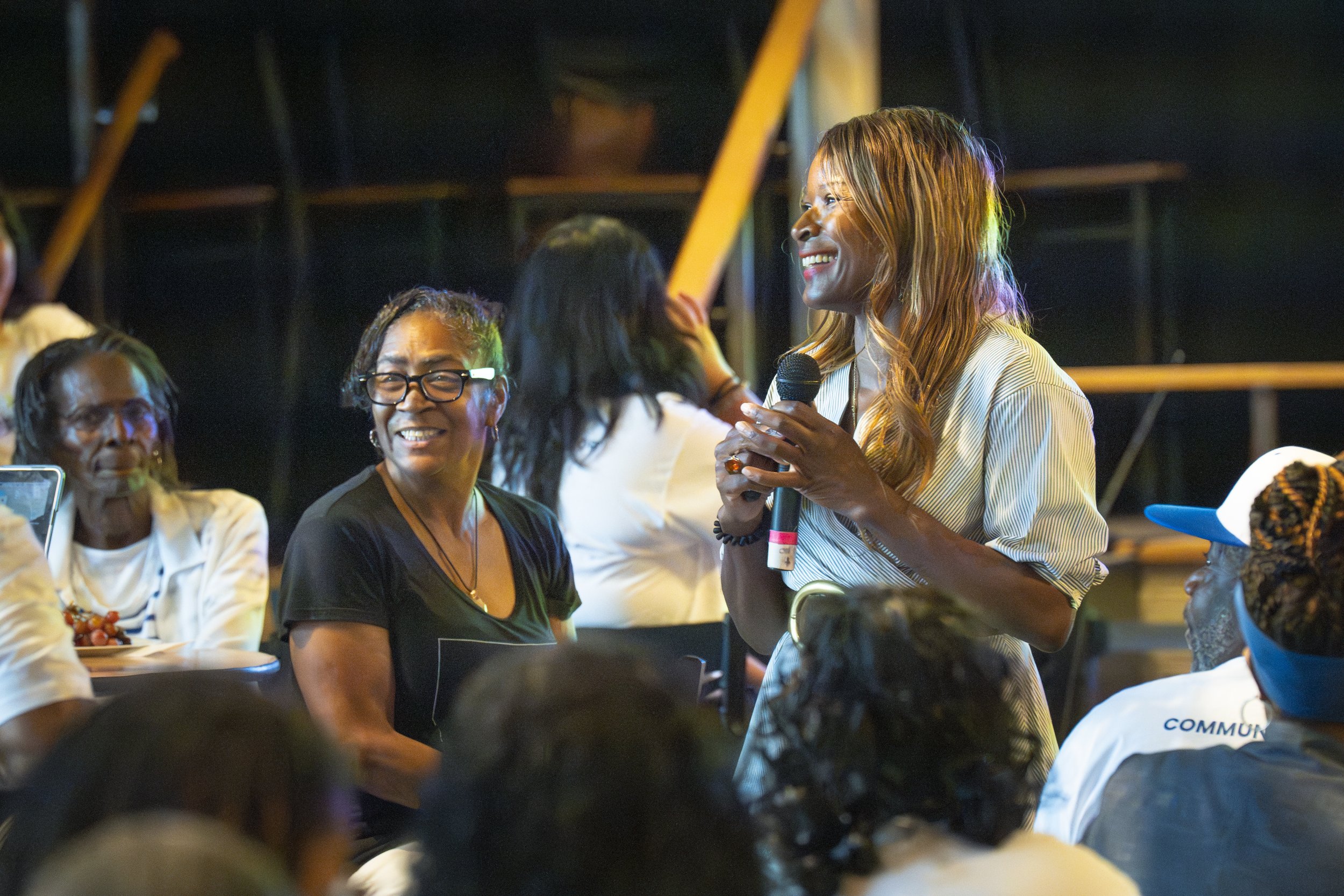
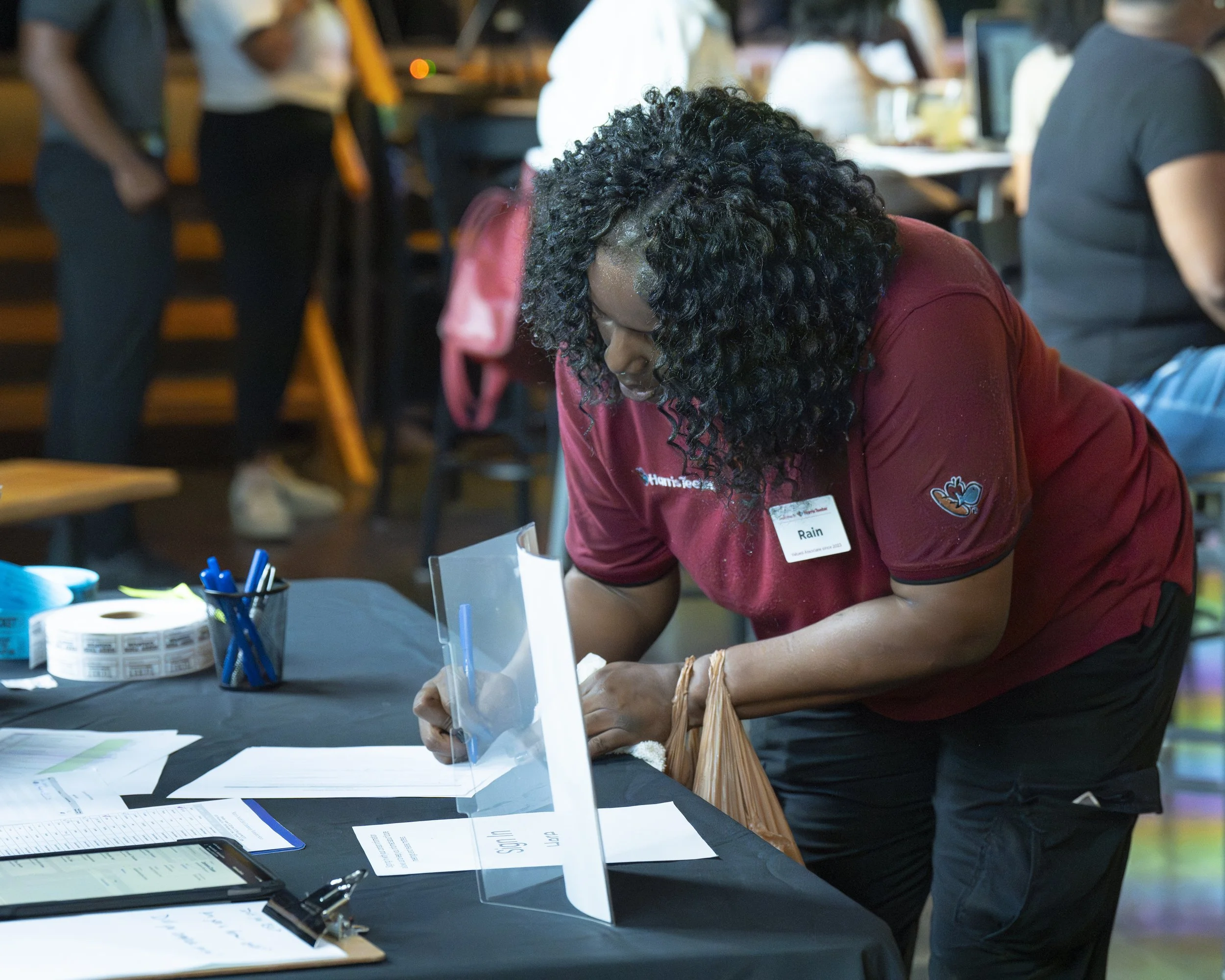

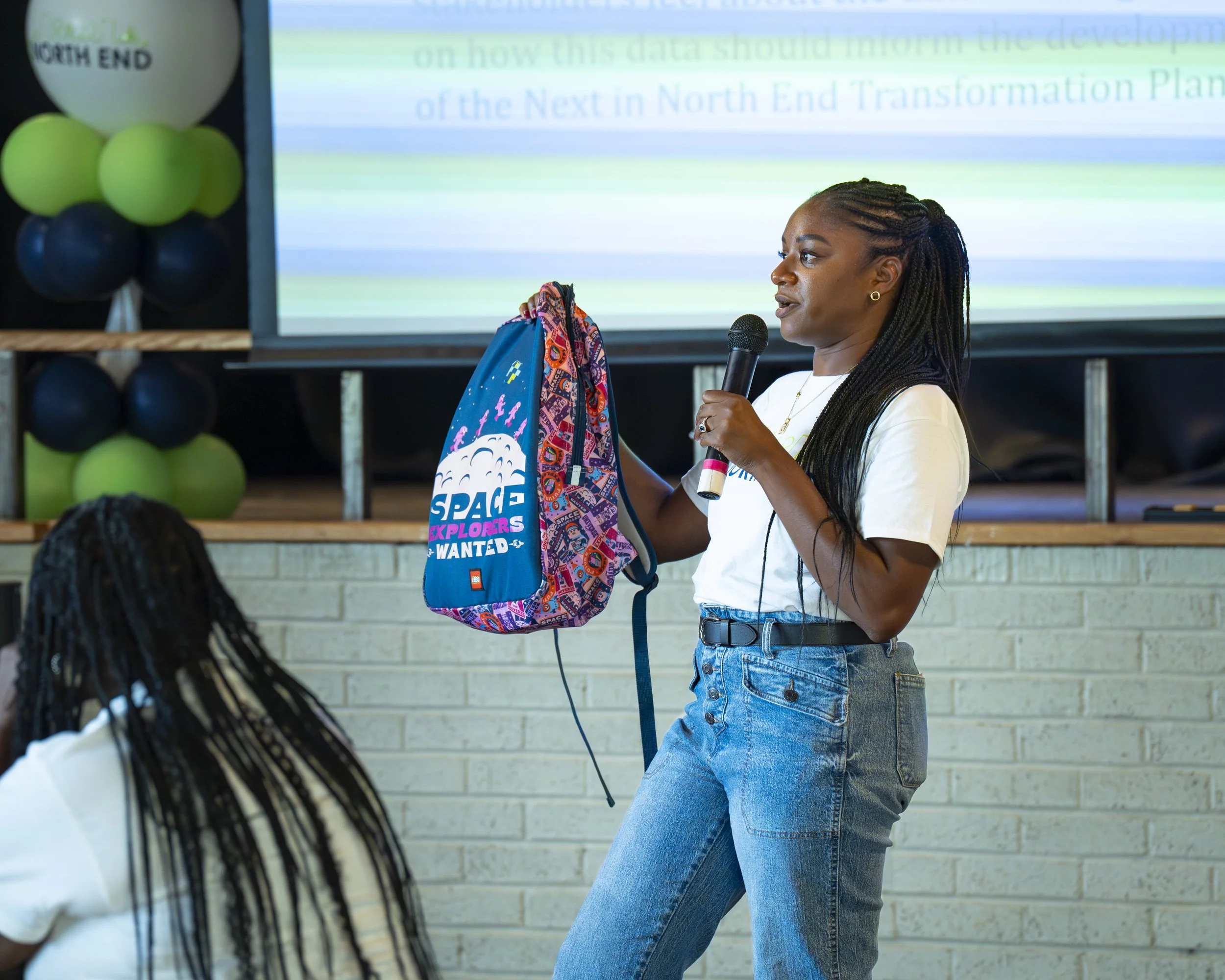
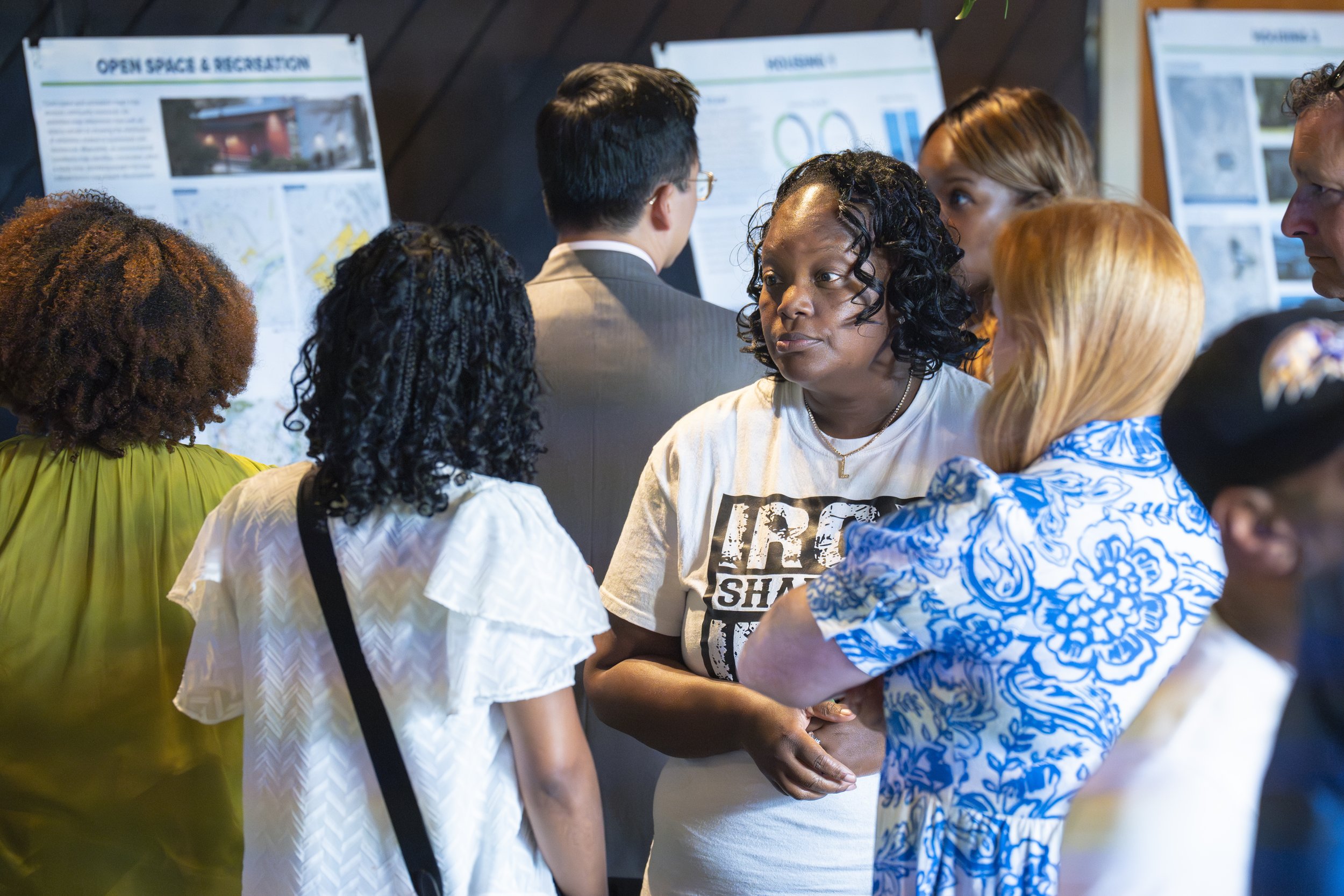
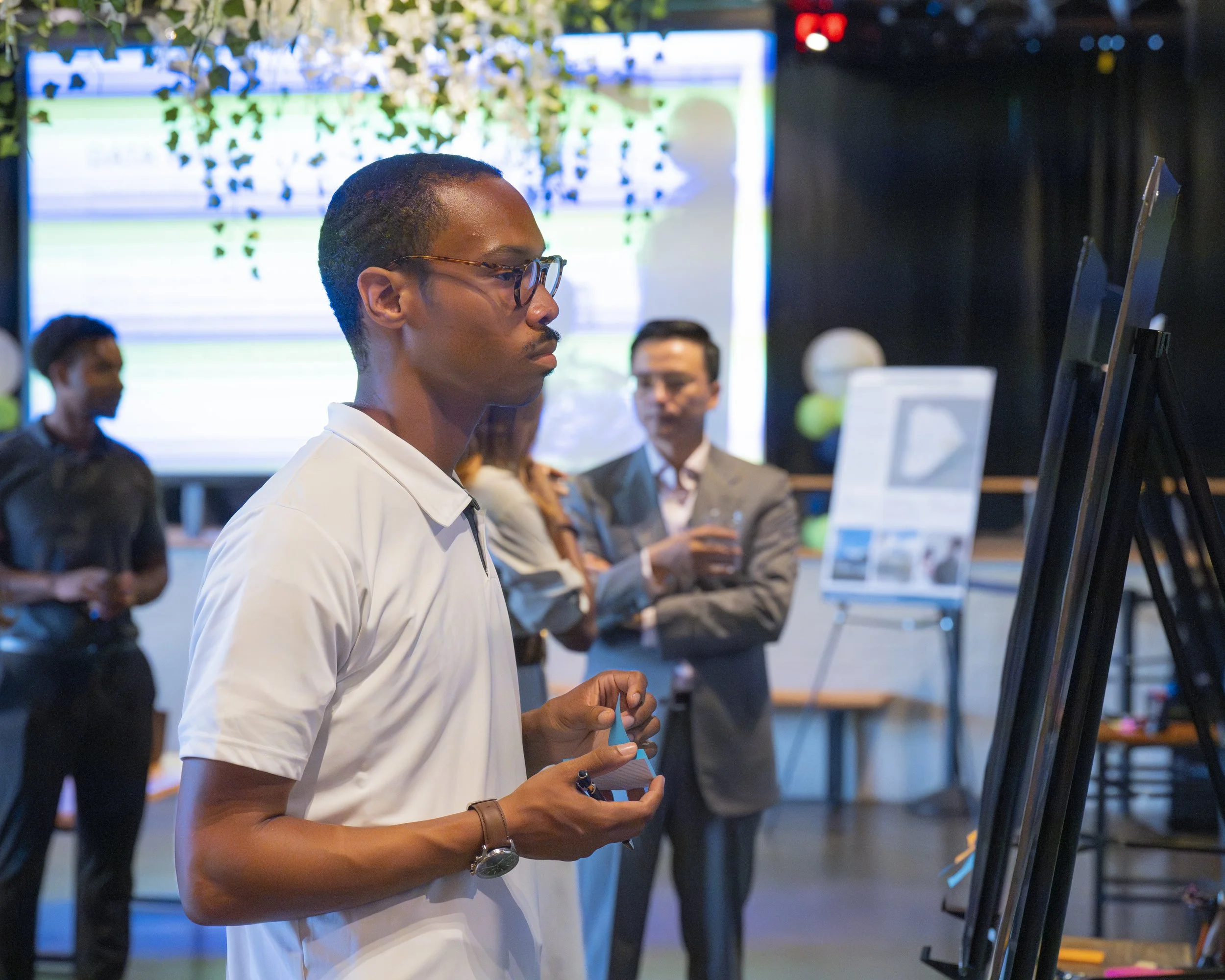
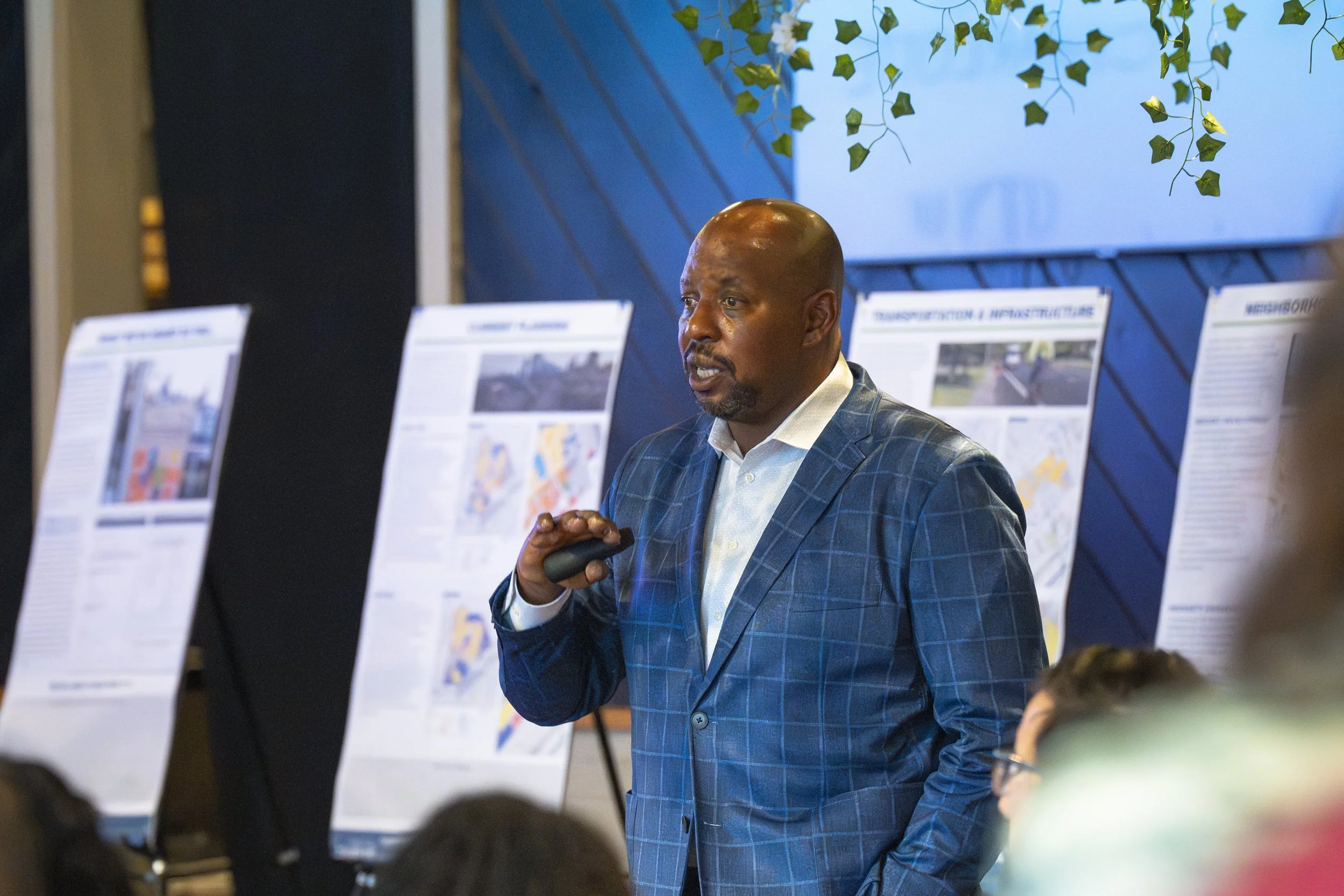
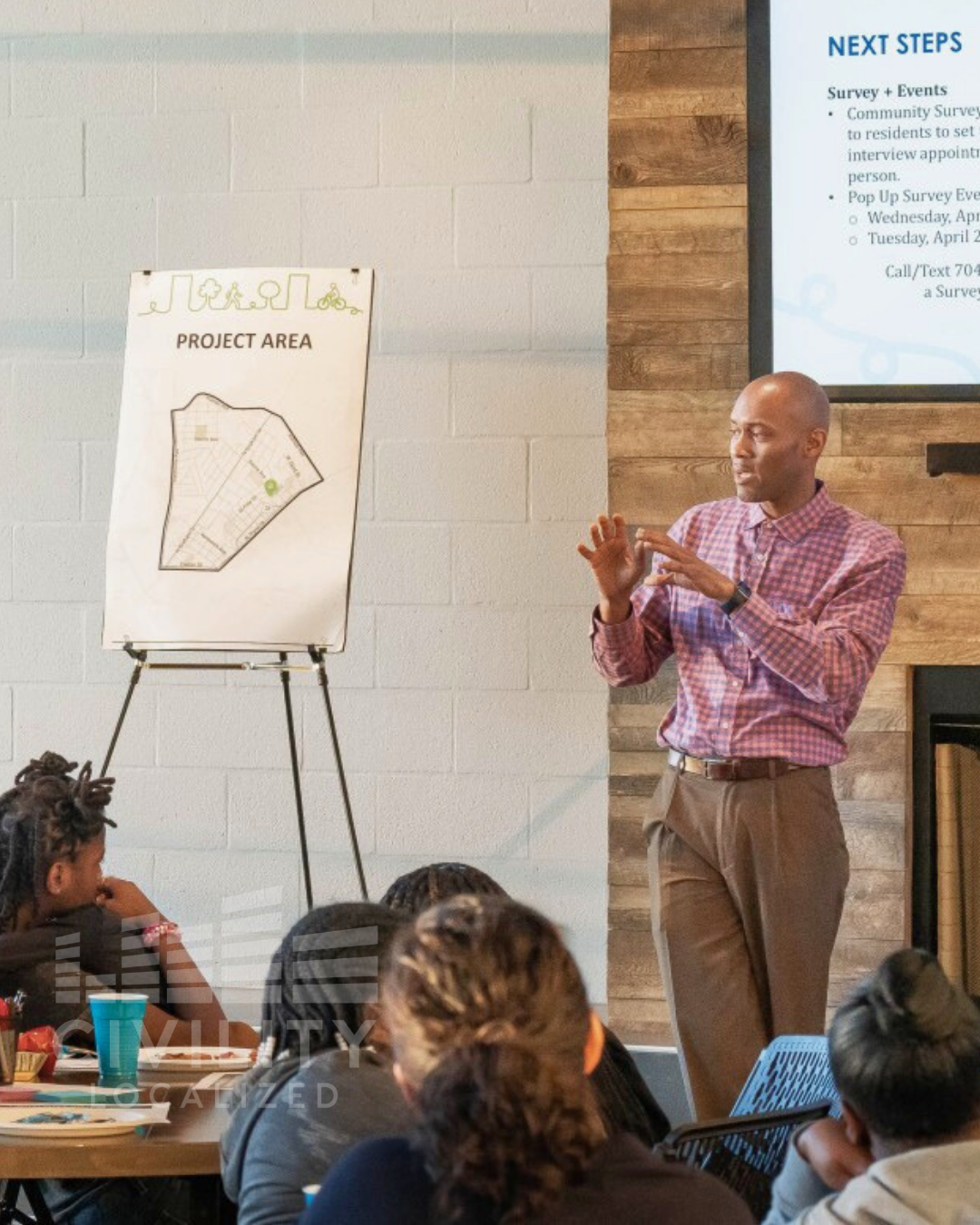
Take a look at some of the engagement strategies used at a Civility Localized collaboration with The City of Charlotte on Choice Neighborhoods Dillehay Courts Revitalization program.
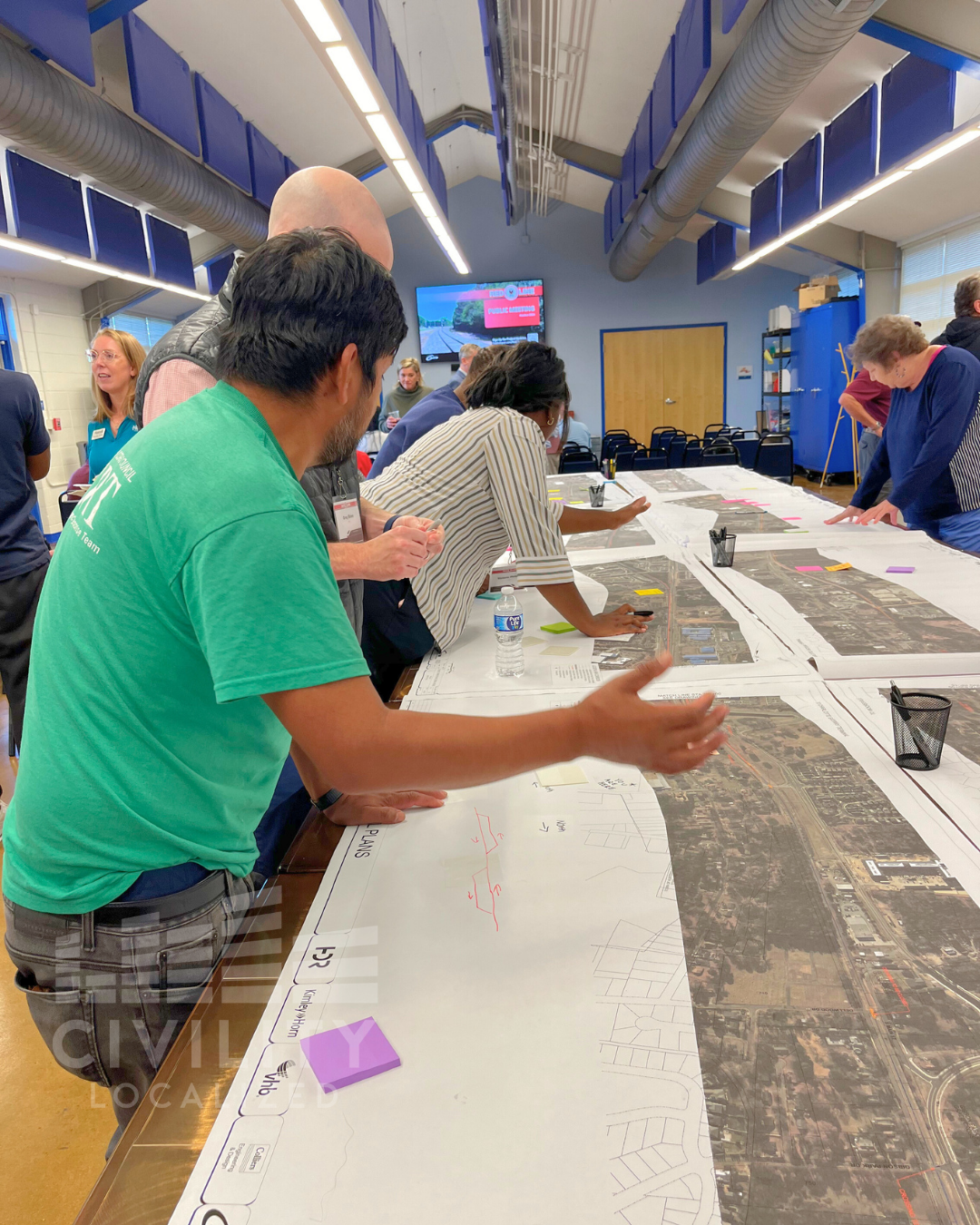
Through a series of events and engagement efforts, Civility Localized and the Choice Neighborhoods planning team distributed plans for the community’s redevelopment, as well as a carefully curated survey to gather input from all former Dillehay Courts residents and community members. Through a visioning phase, design phase, and educational programming, the community was kept in the loop throughout the project.
Five Equitable Community Engagement Strategies
Here are five ways we move past the basics and make engagement actually work for modern communities:
1. Meet People Where They Are
Let’s be real: nobody wants to spend their only free evening commuting to a government building. Real inclusion means the city’s engagement team comes to you.
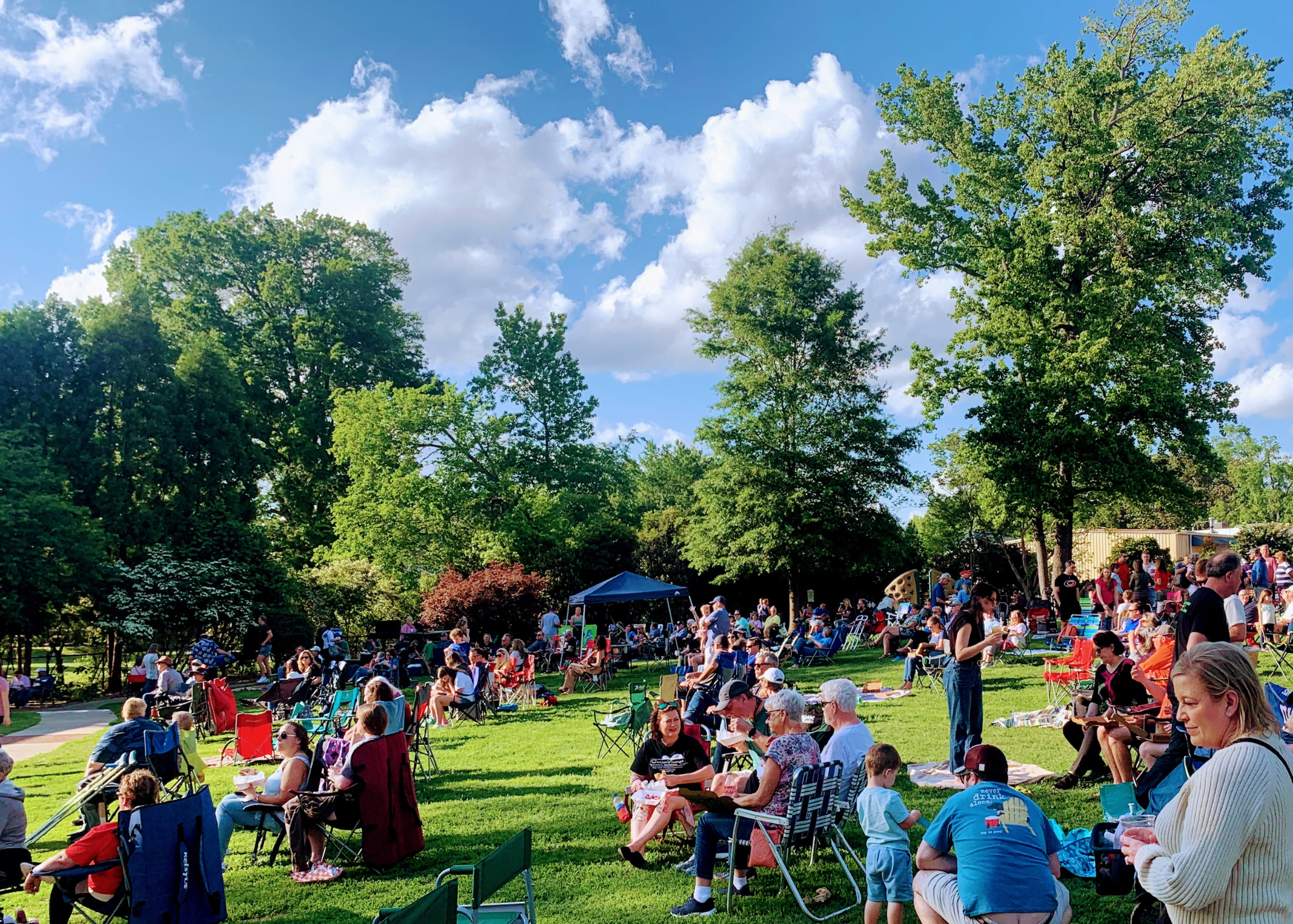
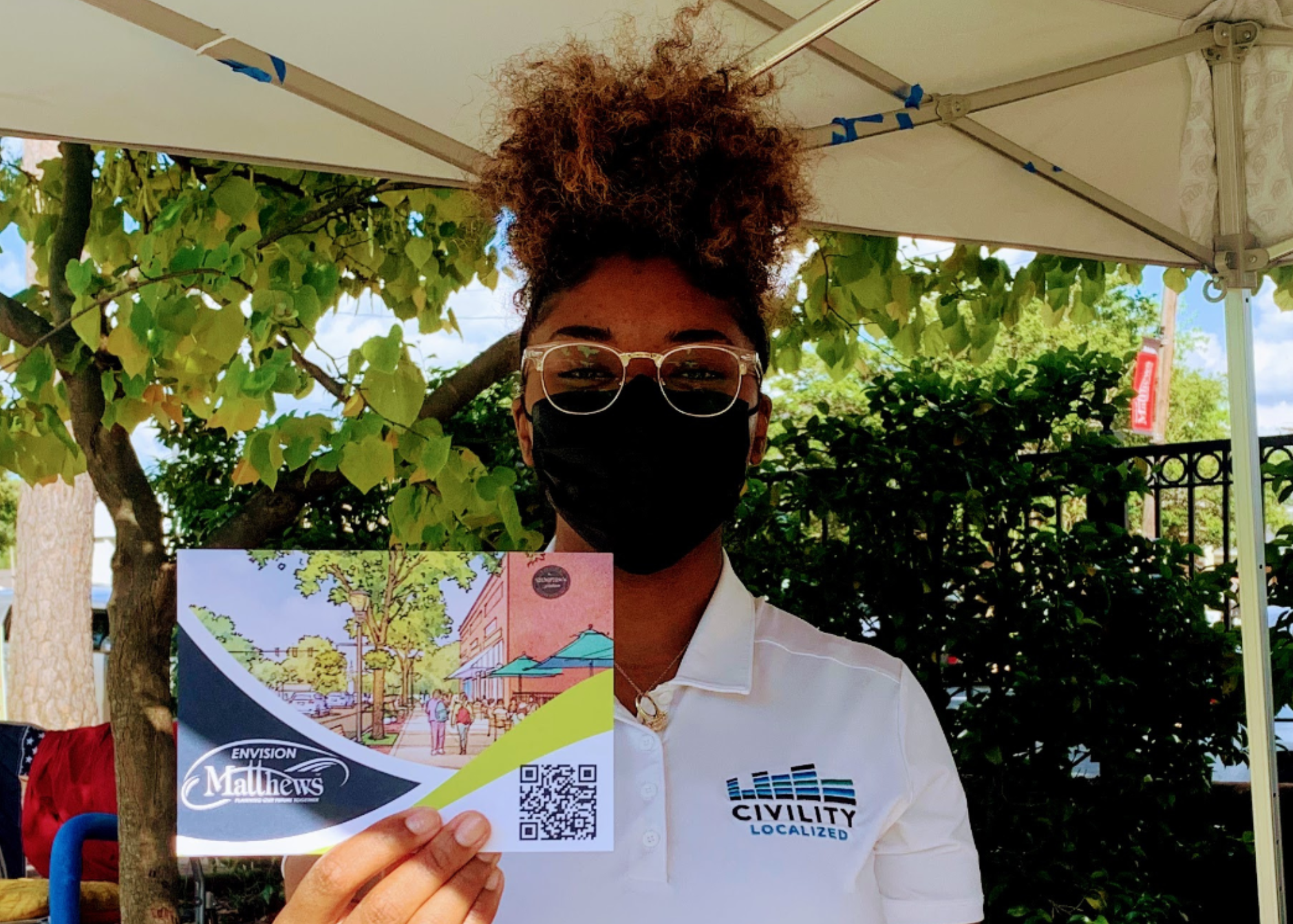
Instead of a formal town hall, think pop-up tents at the Sunday farmers' market, chat sessions at the bus hub, or booths at local festivals.
Why it Matters: By showing up where people already hang out, government offices prove they value community input and time. Accessibility is foundational to trust, something local government is always working to build.
2. Speak the Same Language (Literally)
Equity means folks shouldn't need a PhD in Civil Engineering to understand what’s happening on their block.
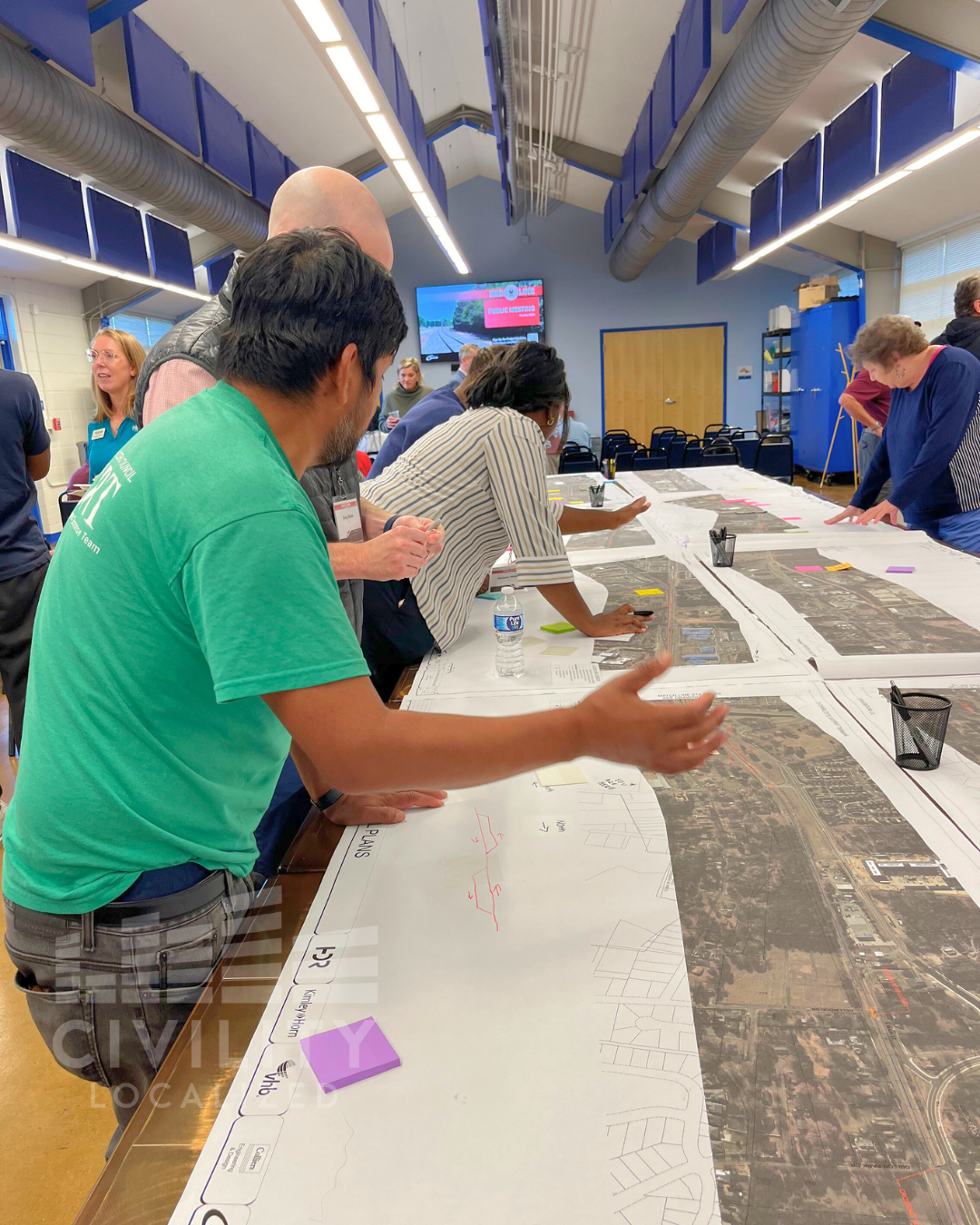
No more technical jargon. We need plain-language summaries, native-speaking facilitators, and professional translators who understand the culture and project. We need maps, statistics, and images that let folks see the impact of proposed changes.
Why it Matters: If residents don’t understand the plan, they may not be able to give quality input. Language justice ensures everyone has a seat at the table.
3. Digital Tools That Actually Work
In the age of the internet, we should be able to weigh-in on city plans via laptops, tablets, and mobile devices.
Online portals and surveys should be mobile-friendly and available 24/7.
Why it Matters: A digital toolkit is a win for equity. For many, a smartphone is the primary way to get online, so if a website doesn't work on a phone, it's effectively excluding a huge chunk of the neighborhood. Bringing tablets to engagement events and walking folks through online surveys can also lower barriers.
4. Closing the Loop
There is something frustrating about giving your opinion on an important public project, and then... silence. It can feel like your input went into a black hole.
Urban Planners should be intentional about "Closing the Circle." This means coming back to the neighborhood and showing exactly what they heard, what they changed because of the feedback, and what happens next.
Why it Matters: When folks see their fingerprints on the final design of a park or a walking bridge, they know they were actually heard. This goes a long way in that ever-present trust-building process.
5. Respecting Community Expertise
Each resident is an expert on their own life and neighborhood. That lived experience is incredibly valuable data to city, state, and county governments.
If a project’s engagement process requires time, experience, and/or emotional energy (especially on heavy topics like reparations), then the engagement process should include compensation for the value of community input. This can look like offering stipends, childcare, transportation vouchers, or meals to folks who show up to offer input.
Why it Matters: Compensating people for their time lowers barriers to participation. Sometimes it makes it possible for everyone to participate, not just those who can afford to volunteer their time for free.
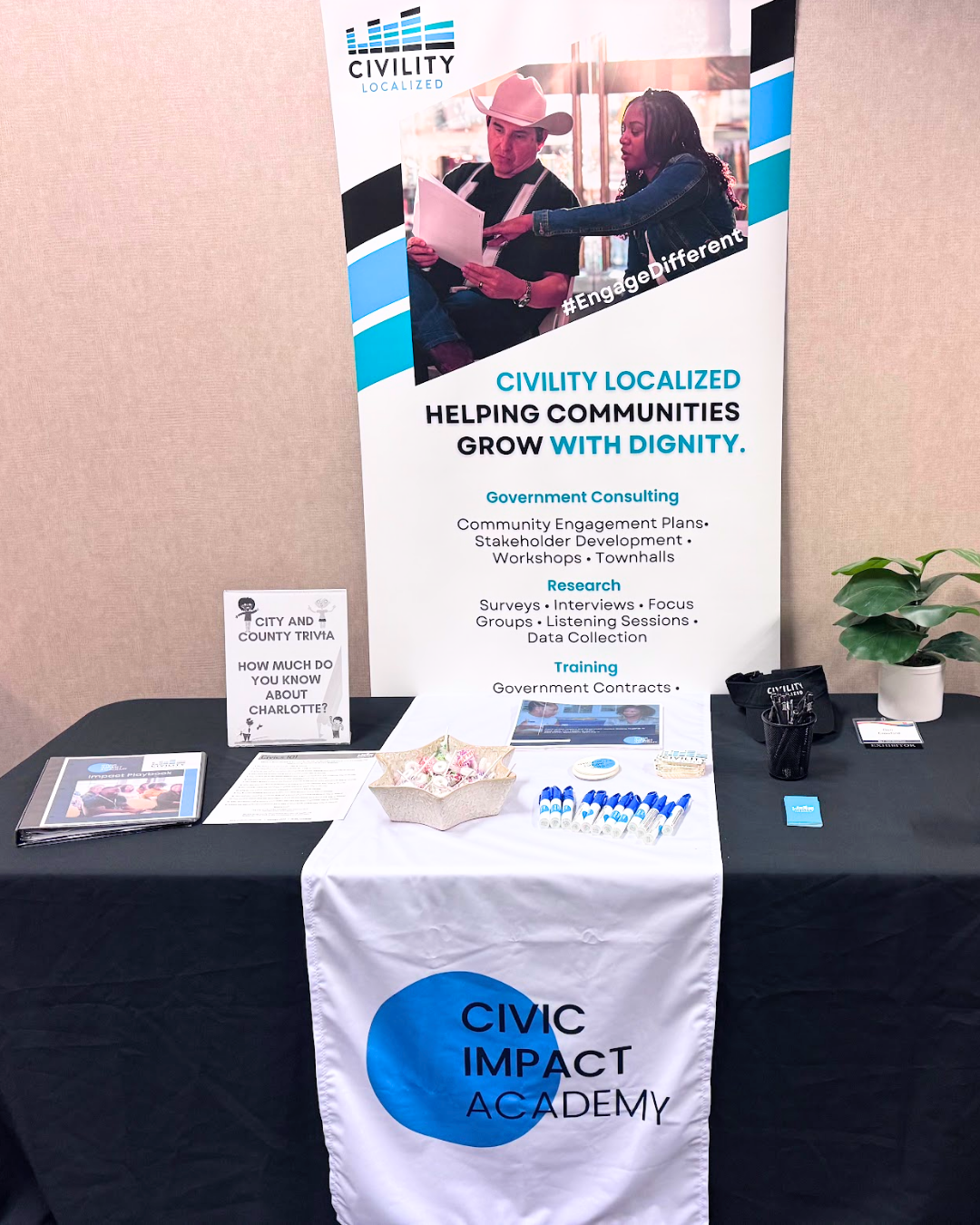
Why Equitable Engagement Is Key
We’ve spent the last eight years working across the Carolinas and across the country to make sure public projects on everything from arts and culture to transit and reparations, actually connect with the people they serve.
There are no cookie cutter communities, so there’s no one-size-fits-all engagement strategy, and that’s a beautiful thing.
We’ve learned so much and raised the bar through each case study. We’ve managed complex dialogues around social equity and infrastructure with a focus on empathy and data-driven results. We want more people to know that engagement initiatives need more voices, and that their input truly does matter.
So, the next time you see a notice about a public project, remember: it’s a chance to shape the world you walk through every day. Your input is the key to a more livable, sustainable community.
To see how we’ve helped turn resident feedback into real-world impact, click the button below to view our past projects and explore how equitable engagement has built more sustainable, resilient cities across the Carolinas and beyond.
Let’s make sure everyone is heard.