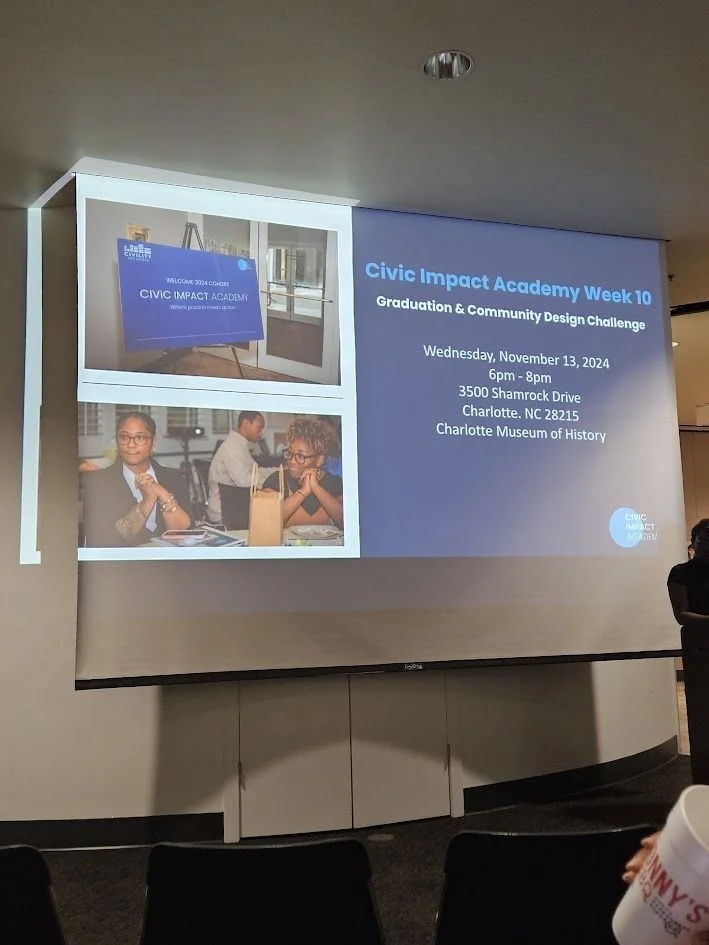
Civic Summer
Cultivating Community, Place, and Well-Being in North Carolina
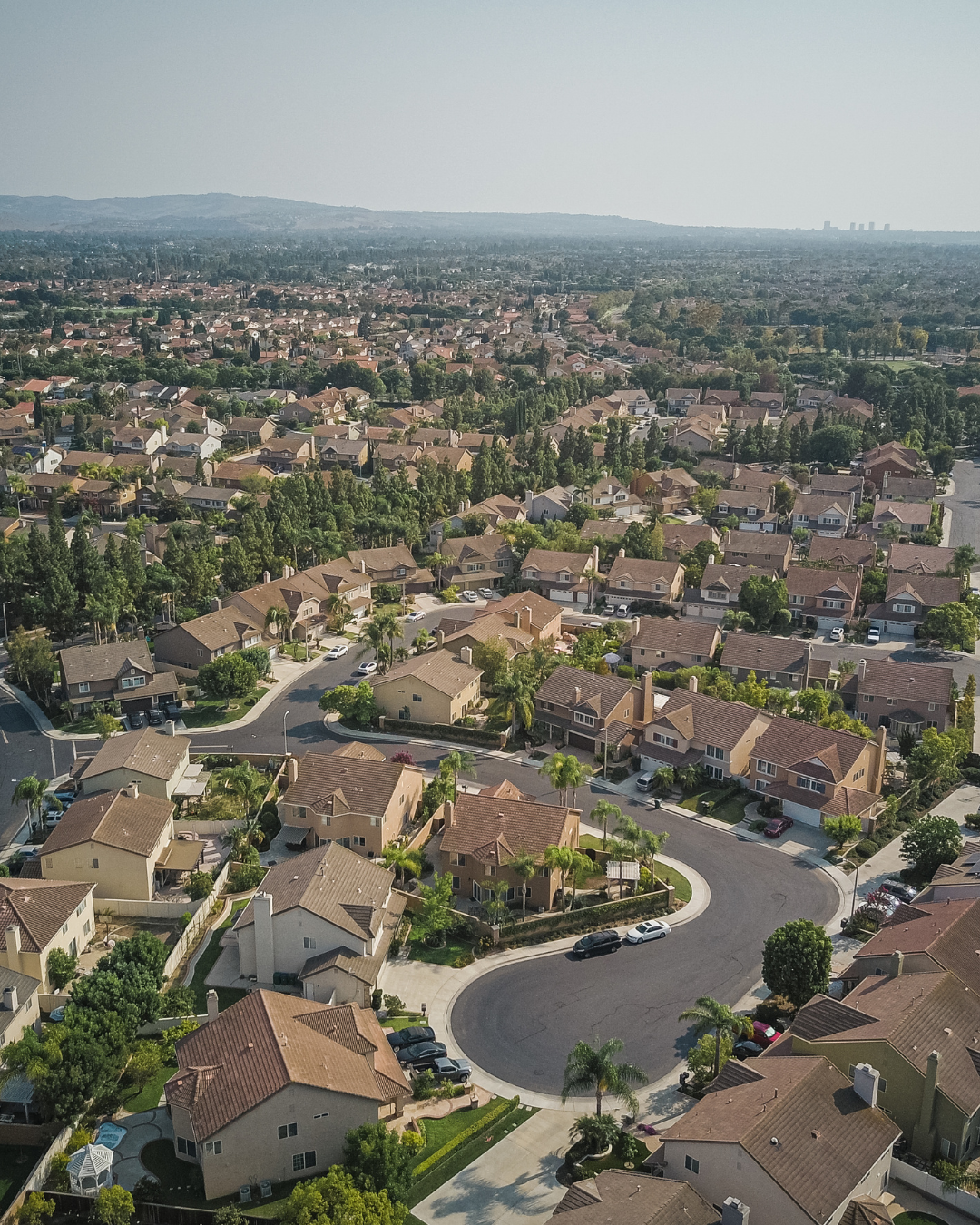
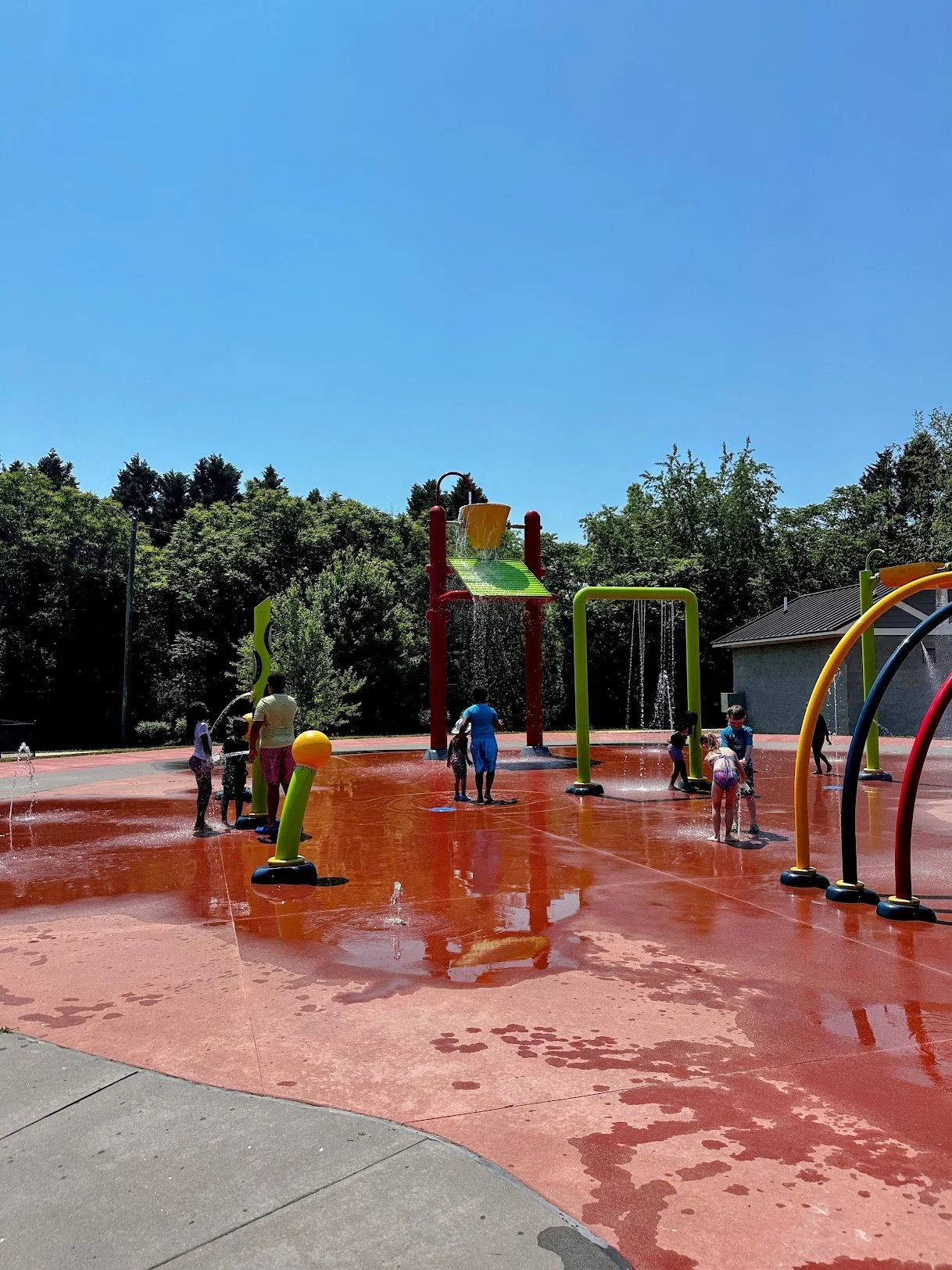
Summer in North Carolina:
The cool relief of a public pool.
Shade under a canopy of trees in a neighborhood park.
A quiet, air-conditioned afternoon spent in a local library.
These spaces offer far more than seasonal refuge. They are the physical infrastructure of our democracy.
For some, civics is another word for politics, voting, and elections. But those words are not synonyms!
Civics is a concept cultivated through the everyday interactions we have with our neighborhoods, our cities, and each other.
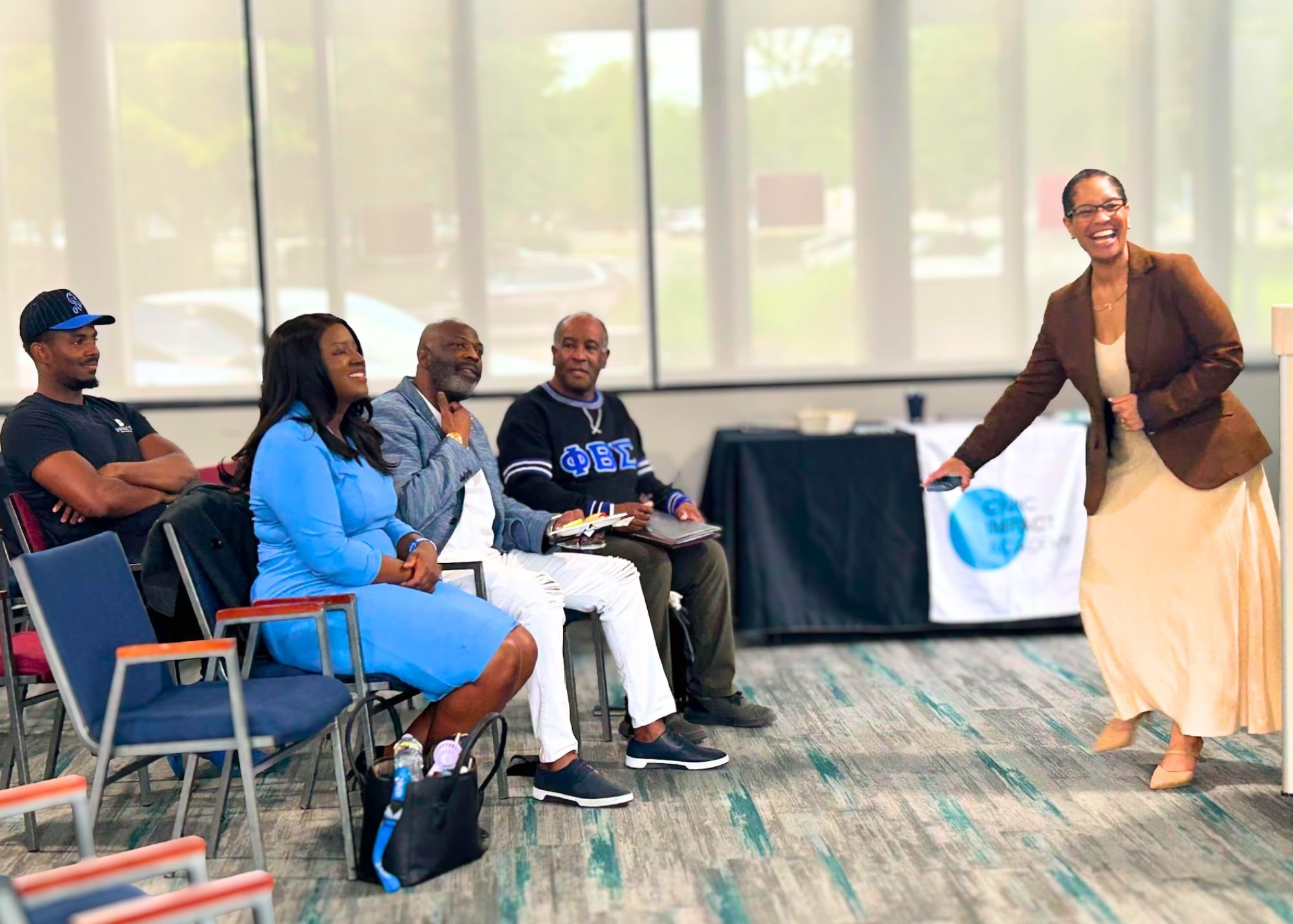
Charlotte-Mecklenburg Libraries serve as climate-controlled public spaces available for use by residents all year long. Pictured here are a handful of Charlotte locals attending an interest session for the Civic Impact Academy at the Sugar Creek Library.
Placemaking: The Shared Spaces of Democracy
Civic engagement is often discussed in the abstract.
But what if we saw civics as profoundly physical instead?
What if we spoke of civics as deeply rooted in the way we design parks and walkable neighborhoods? Or if we discussed civics in terms of planning bus routes with sheltered stops and adequate access to safe sidewalks?
At Civility Localized, you’ll learn that these tangible manifestations of civics are exactly what we prefer to deal in. In case you’re new here, a few helpful definitions:
Placemaking: the intentional design of public spaces to promote health, happiness, thought exchange, and well-being.
Civics: the balanced study of both the theories behind, and real-world practice of exercising the rights and responsibilities of citizenship, as well as the way governing structures function.
Consider Public Infrastructure.
Libraries are not merely buildings that house books; they are hubs of thought offering physical and digital access to information, non-partisan educational resources, and public meeting rooms.
Parks and municipal swimming pools are shared resources where neighbors from all walks of life meet, greet, and build community.
Even cooling centers, critical during intense North Carolina summer heatwaves, function as lifelines that reflect a commitment to collective care.
When local governments invest in high-quality public spaces, they invest in the civic fabric.
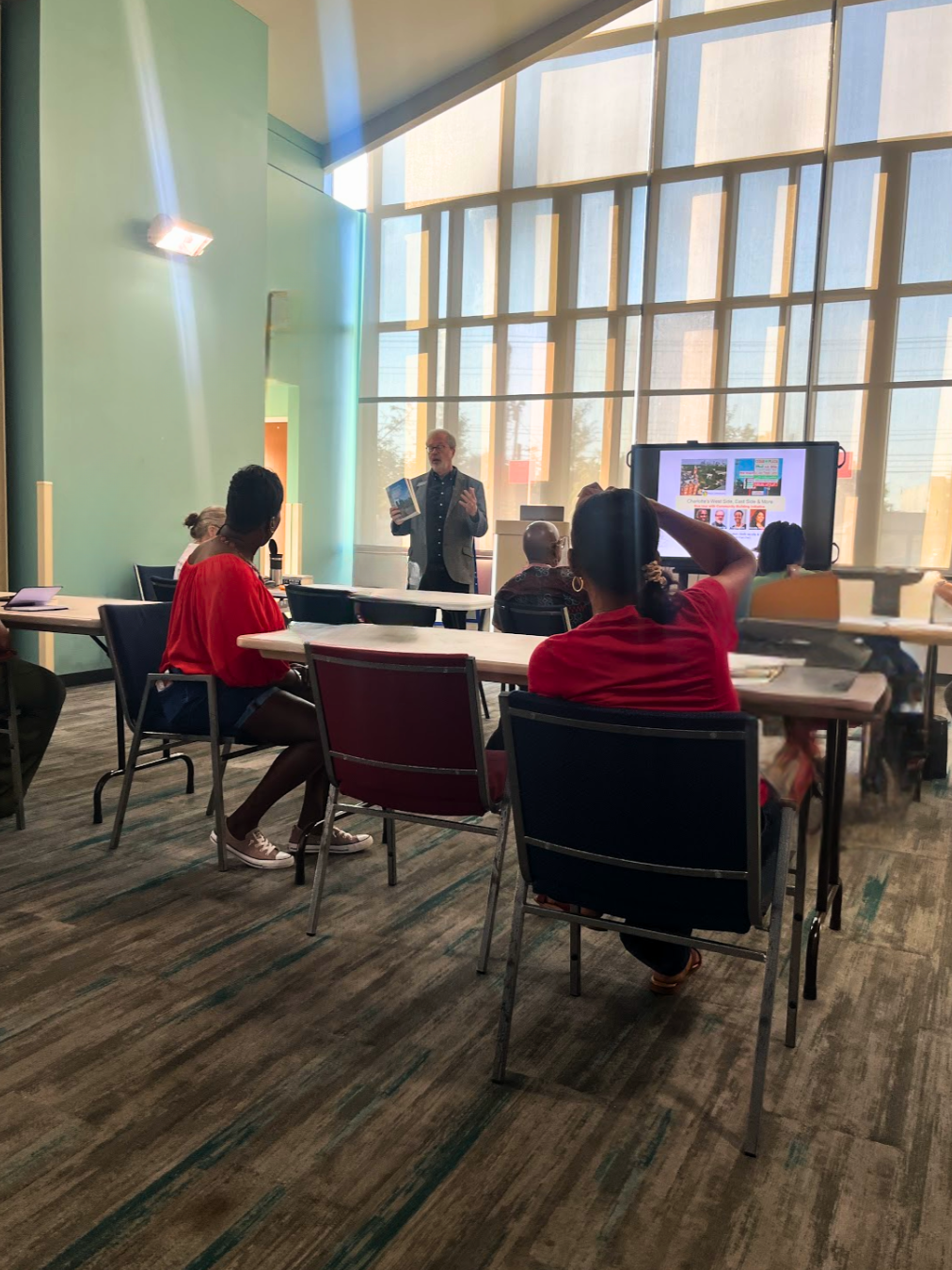
Charlotte, NC based historian Dr. Tom Hanchett speaks to a group at a Charlotte-Mecklenburg Library before the group embarks on a historical bus tour of the city.
A community that possesses vibrant, accessible public places is a community where people feel a sense of belonging, ownership, and responsibility.
Civic Engagement and Public Health
The benefits of active community participation and robust civic infrastructure cannot be overstated. A growing body of public health research points to a link between civic engagement and health outcomes (at both individual and community levels). This means that access to robust civic infrastructure promotes engagement, and leads to increased mental well-being and a stronger sense of purpose.
By treating public spaces like parks, pools, and cooling centers as core civic infrastructure, we directly address social determinants of health!
Green spaces reduce urban heat island effects, social districts lower isolation, and robust library systems build the trust necessary to sustain public health initiatives during critical times. Studies show that areas with high voter turnout, robust volunteerism, and active neighborhood associations consistently report better physical health outcomes and greater community resilience during public crises.
Why Civic Summer Matters for Democracy
We often think of democracy as something that happens during major election cycles, under legislative domes, or in tense debate halls. But the true foundation of a self-governing society is built during the quiet, ordinary days of a civic summer.
Democracy requires trust, and trust requires proximity. When we share a park bench, look out for our neighbors during a heatwave, or gather at a local library, we are actively practicing the habits of co-existence and mutual care. A civic summer is the ultimate training ground for a healthy democracy: it reminds us that before we are voters aligning with political parties, we are neighbors sharing a physical place. By strengthening our local bonds today, we build the societal resilience needed to withstand the political storms of tomorrow.
Activating Your Summer
The summer offers a critical time to build coalitions and prepare for the work of civic engagement. In rapidly expanding urban centers like Charlotte and Raleigh, local leadership decisions carry lasting, state-wide impacts.
Here is how you can actively engage in your community before autumn political campaigns take over your feed:
Participate in Local Planning: In Charlotte, follow municipal updates regarding transit-oriented development and neighborhood infrastructure investments. In Raleigh, attend city council sessions focusing on sustainable energy and green spaces. This is one way to shape the places that shape health outcomes.
Leverage and Support Public Libraries: Utilize local library branches to access non-partisan voter guides, check voter registration status, or volunteer for summer literacy and civic education programs.
Volunteer for Community-Led Initiatives: Support local summer youth programs, community gardens, or grassroots organizations working to distribute resources and information. These include organizations like
Legal Aid of North Carolina: A nonprofit law firm providing free legal help to seniors, veterans, dv survivors, and others.
League of Women Voters: a nonpartisan, grassroots organization working to protect and expand voting rights and ensure everyone is represented.
Children’s Defense Fund’s Freedom Schools: a national non-profit nurturing lifelong learners and advocates for progress through summer literacy and civic engagement programming for K-12 students.
Host Block-Level Conversations: You don't need a formal stage to talk about the future of your city. Gather neighbors at a local park or community center to discuss shared priorities, from pedestrian safety and sidewalks to public transit access.
Bridging the Season
Civic summers reminds us that democracy is an active, daily practice.
It is found in the shade of our parks, the cooling relief of public spaces, and a shared commitment to look out for one another.
By showing up for our neighborhoods today, we build the healthy and highly engaged North Carolina we want to see in every season.
Turn Your Passion Into Local Power: Join the Civic Impact Academy
The connections you make and the insights you gain this summer shouldn't fade when the leaves change. If you are ready to transition from an active neighbor to a transformative local leader, your next step starts here.
Applications are now open for the Civic Impact Academy, our premier civic accelerator designed specifically for emerging leaders in and around Charlotte, NC.
This isn't just another lecture series. The Civic Impact Academy is a hands-on, collaborative experience where you will master the mechanics of local government, learn the art of effective community advocacy, and design real-world solutions for Charlotte's infrastructure, public health, and placemaking challenges. You will graduate with the tools, the network, and the strategic blueprint required to make a lasting structural impact in your city.
Don't sit on the sidelines this fall while the future of your community is being decided. Bring your summer energy into a room full of changemakers.
Apply to the Civic Impact Academy today and help us build a stronger, healthier future for all, right here in Charlotte, North Carolina.