
Civic Season
Civic Season: Youth Edition - How to Design Local Government for the Next Generation
What are your plans between Juneteenth and the Fourth of July?
For millions of young people across the country, this period marks Civic Season, a time to reflect on our past, take action in the present, and actively shape the future of our democracy. Created by Gen Z historians, culture makers, and over 500 cultural institutions, Civic Season isn’t just about history books; it’s about ownership. It’s a mobilization of the next generation of changemakers who are ready to say, "This community belongs to us, too."
For local governments, Civic Season presents both an opportunity and a persistent question: How to actually increase civic access for young people?
Traditional public outreach formats, like 45-minute long-form surveys and Tuesday night town halls, have historically missed the mark. They weren’t designed for youth engagement, and quite honestly, that was never good enough. To move from surface-level input to meaningful, lifelong participation by all residents, local governments must shift the strategy.
As we kick off our Civic Season blog series, here is how modern, youth-centered engagement actually works.
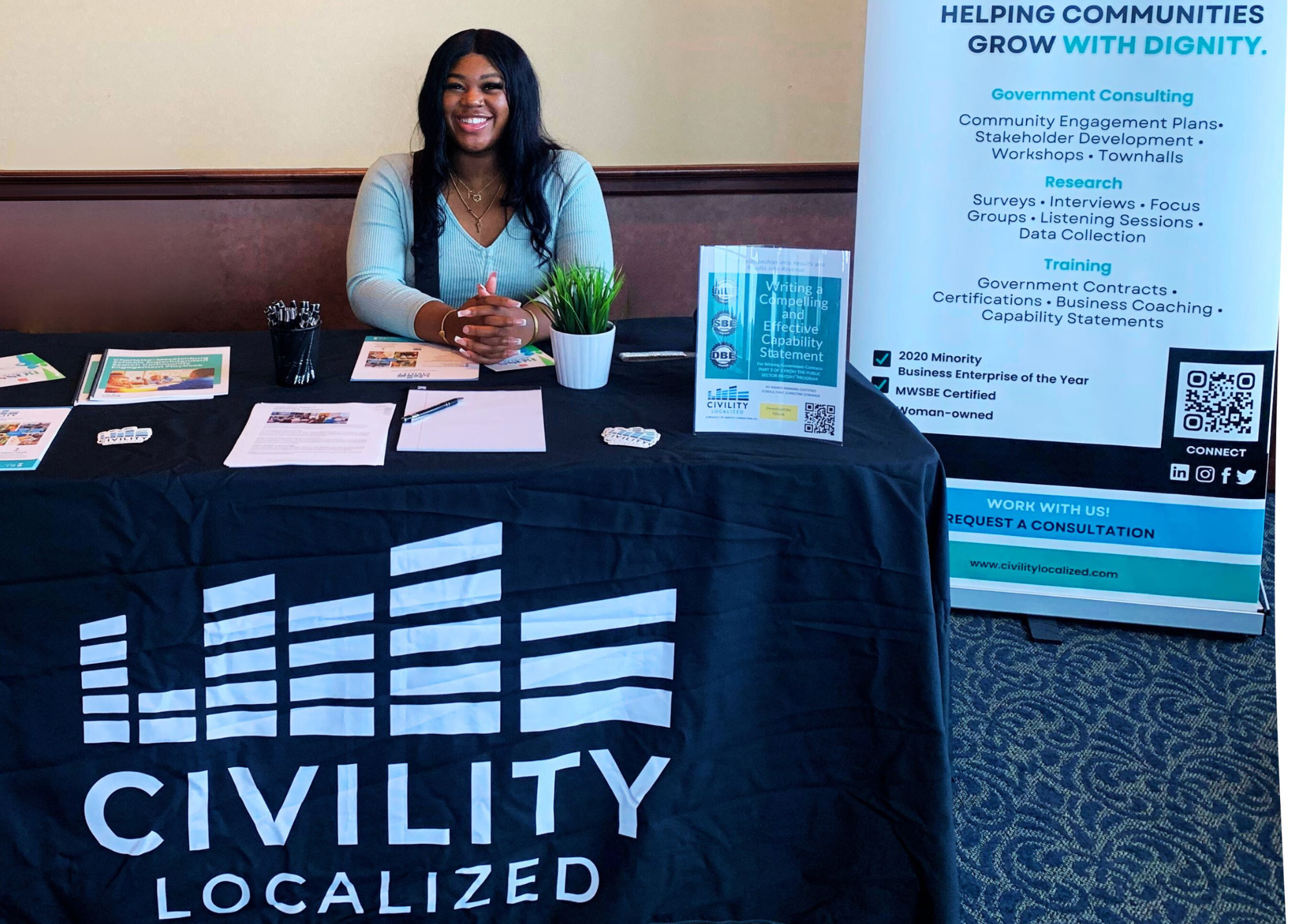
Youth engagement starts with youth participation!
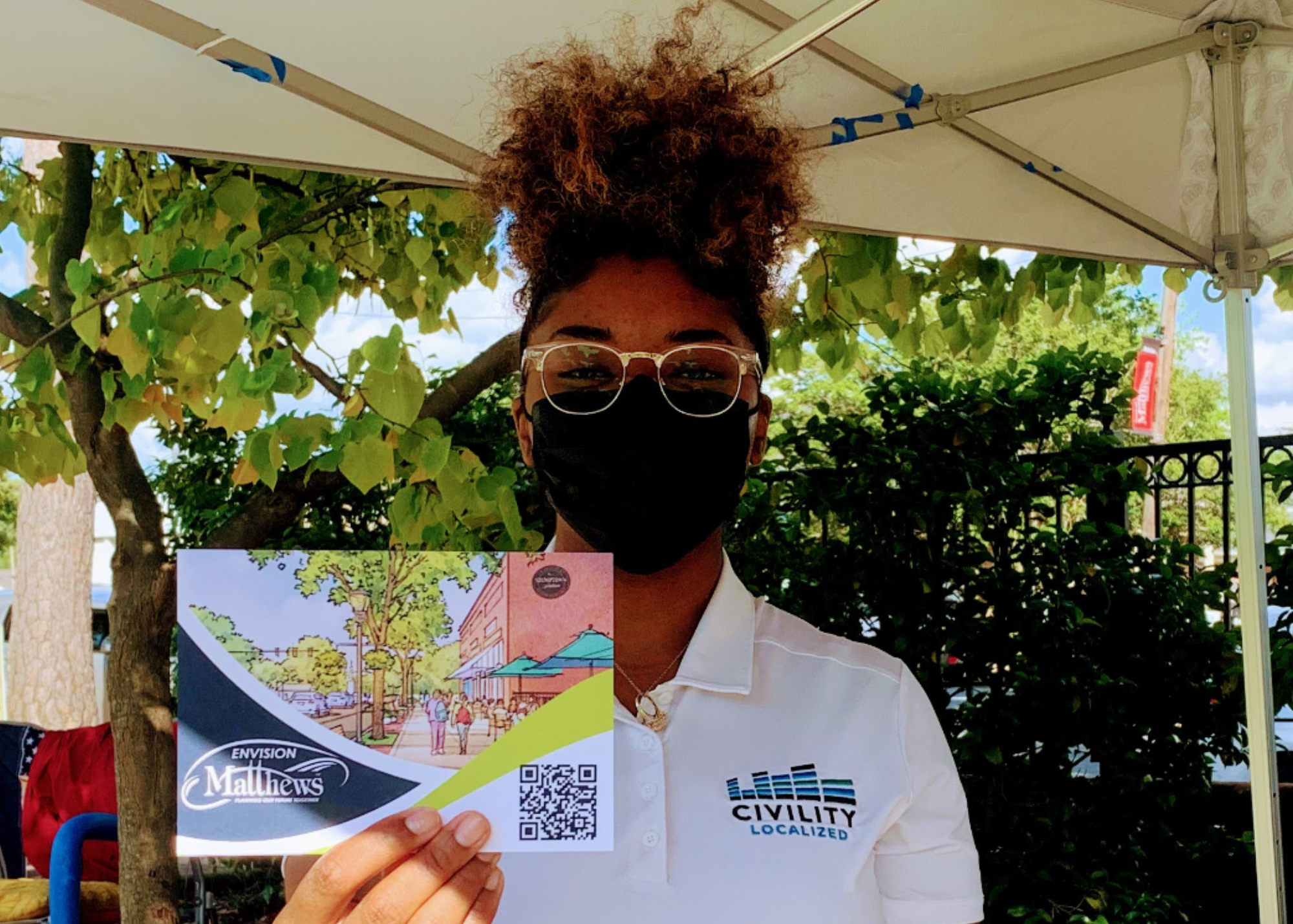
Civility Localized has long looked to college campuses, recent grads, and Gen Z to find community ambassadors. Engaging young people is one of many ways we bring equity to the public engagement table.
1. Less Jargon, More Access & Translation
Most surveys fail at the first sentence. Questions like, "Please indicate your level of agreement with the proposed infrastructure priorities," are immediate turn-offs. Effective engagement swaps formal language for conversational phrasing. Instead, try: "What would make getting around the city safer for you?"
Essentially, when drafting surveys, turning to inclusive experts with equitable best-practices can make all the difference. If it doesn’t sound like something a person would say in a conversation, it shouldn't be in the outreach materials. Similarly, drafting outreach materials in only one language is a choice, and not one designed to reach multi-lingual communities. We know government offices may not have full translation services at their disposal, but fortunately small community engagement firms exist and can provide essential translation services through third party vendors and local experts with community connections.
2. Mobile-First Engagement
Young folks may not have time to sit and complete 15-minute feedback forms. Engagement built for modern environments is short-form and mobile-optimized. If a survey takes more than two minutes, or requires a login, you may lose your audience before they’ve begun. Instead, consider social media management as a method of linking to quick surveys and feedback forms. Public input is worth its weight in gold, so when in-person, consider ensuring participants know they are valued. Providing complimentary refreshments, public transit and parking vouchers, and more can go a long way to increasing access to participation.
3. Peer Networks, Not Just Portals
Trust travels faster through friends than through institutions. Peer-to-peer outreach consistently outperforms agency announcements. By partnering with youth councils, school groups, or ambassadors, governments can leverage existing circles of trust. When a young person sees a classmate sharing a project, barriers to entry may be diminished, and interest can be maximized. Additionally, putting familiar faces with community initiatives reminds folks that these public forums and projects belong to them. Increase engagement and buy-in by building ambassador networks and watch the results speak for themselves.
4. Meet Folks Where They Are
The most successful engagement doesn’t ask young people to come to a new system; it brings the process to them. This applies both physically (schools and community centers) and digitally (Instagram and TikTok). Short, 30-second videos that explain why a topic matters, paired with a clear, simple call to action, can serve as on-ramps to increased participation.
5. From Respondents to Contributors
The ultimate paradigm shift is moving away from treating young people as mere data points and instead treating them as true partners. This is the heart of Civic Season: fostering a sense of shared responsibility. So, what does this look like in practice?
Co-designing: Letting young people help shape the actual questions asked at the start of a project.
Familiar UI: Using interactive digital patterns they already use daily, like polls, sliders, and "this or that" choices.
Shared distribution: Empowering youth to distribute outreach materials and co-author messaging.
When local governments stop guessing and start designing for the way young people actually live, communicate, and organize, they don't just get better data, they build more inclusive, resilient futures. That’s worth pursuing and celebrating. Happy Civic Season!
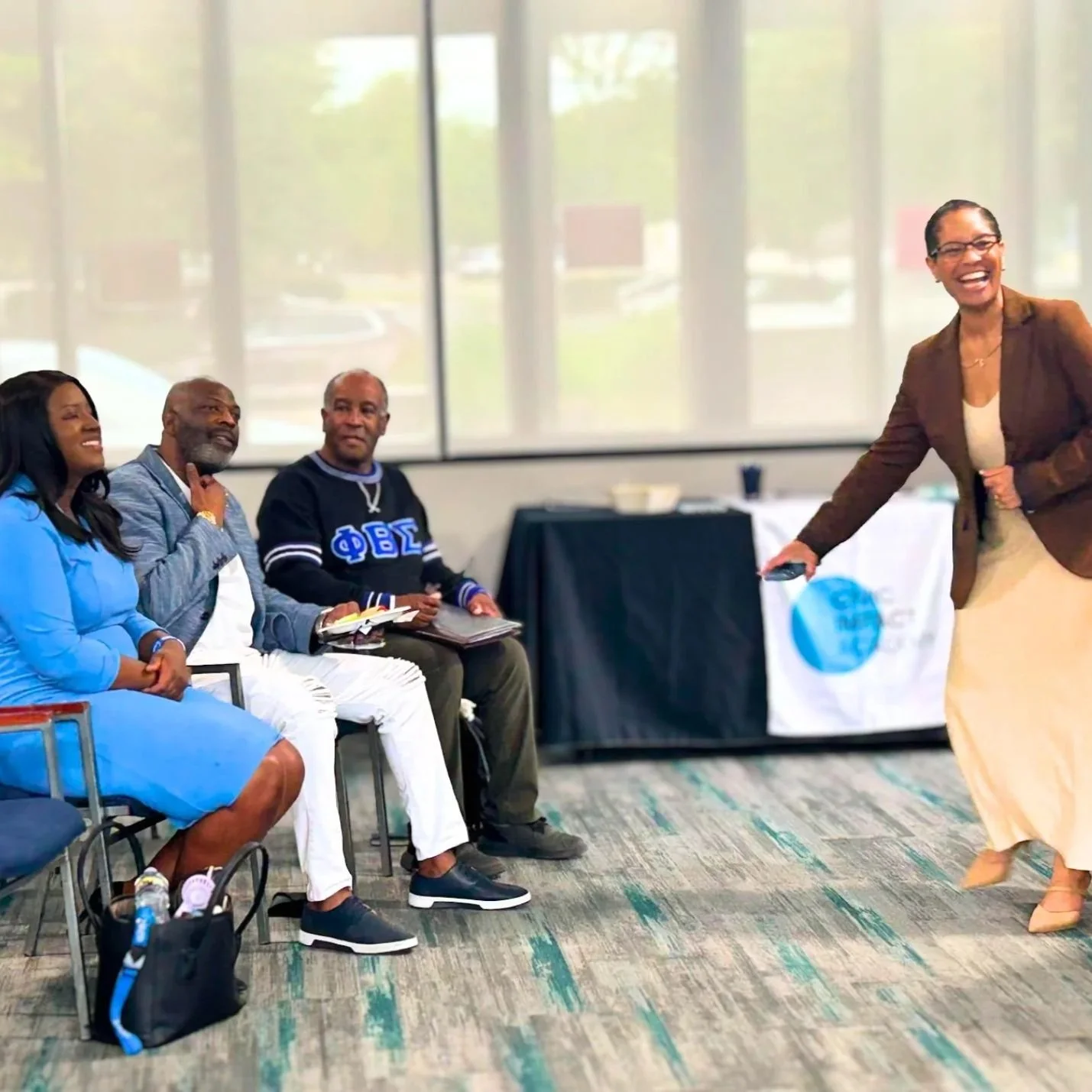

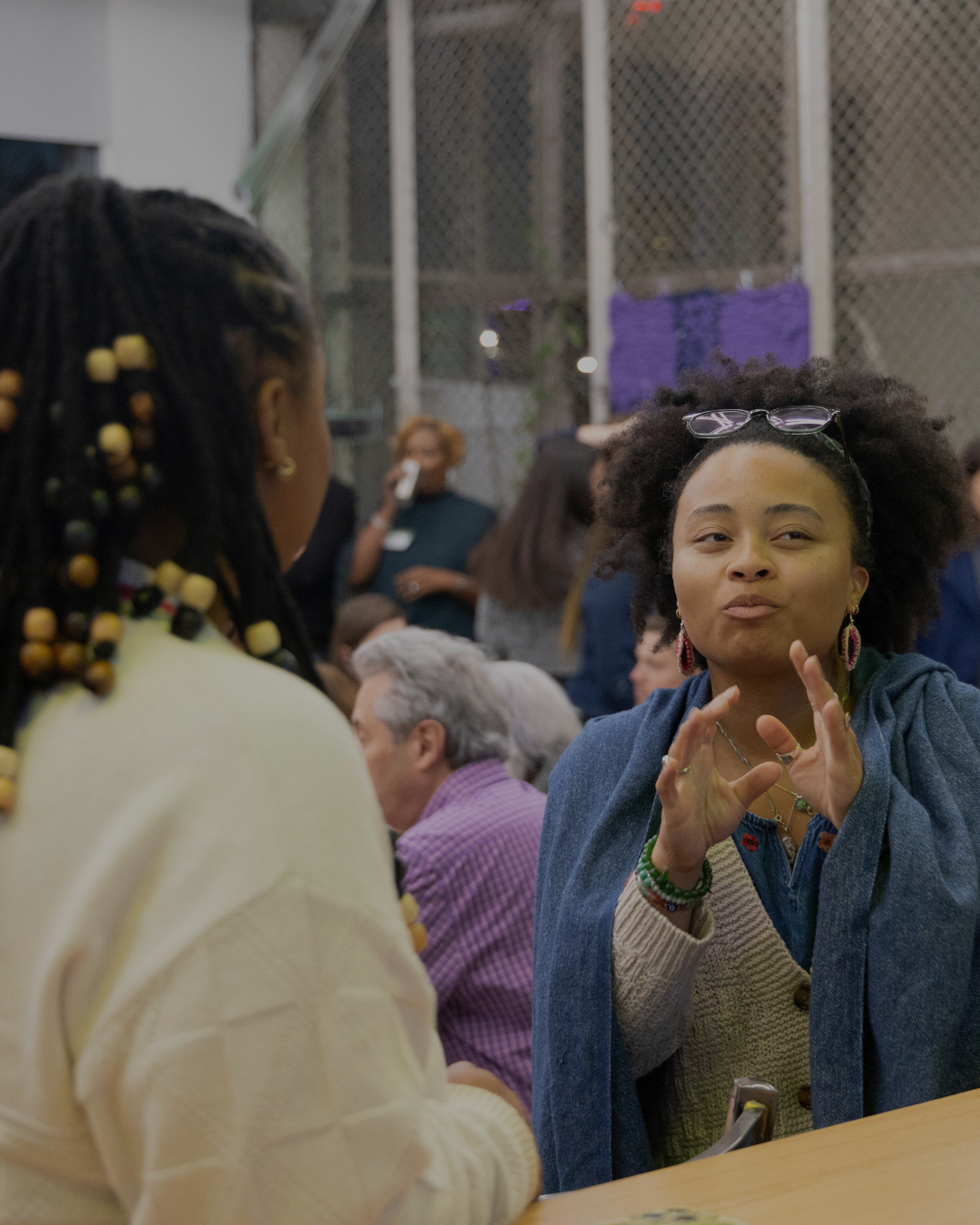
If you are ready to move past surface-level outreach and build real, community-led solutions, the Civic Impact Academy is your launchpad. Whether you are a local government leader, a community advocate, or a resident passionate about equitable engagement, the Academy equips folks with the exact frameworks, design strategies, and peer networks needed to bridge the gap between institutions and doing public good.
Applications for our Fall 2026 Cohort officially open on July 1, 2026. We encourage changemakers of all ages and backgrounds to participate.
👉 Explore the Civic Impact Academy website today and prepare to apply!