
Voting Rights
Fighting the systemic dismantling of voting rights in the United States and joining the ongoing Civil Rights Movement.
The landscape of American democracy continues to shift like sand. For those working toward equitable community engagement, inclusive public works, and accessible civics, these shifts can increasingly feel like quicksand.
When we examine the current state of voting rights, we don’t have to look far to see what brought us here.
A Timeline of Voting Rights And Its Erosion:
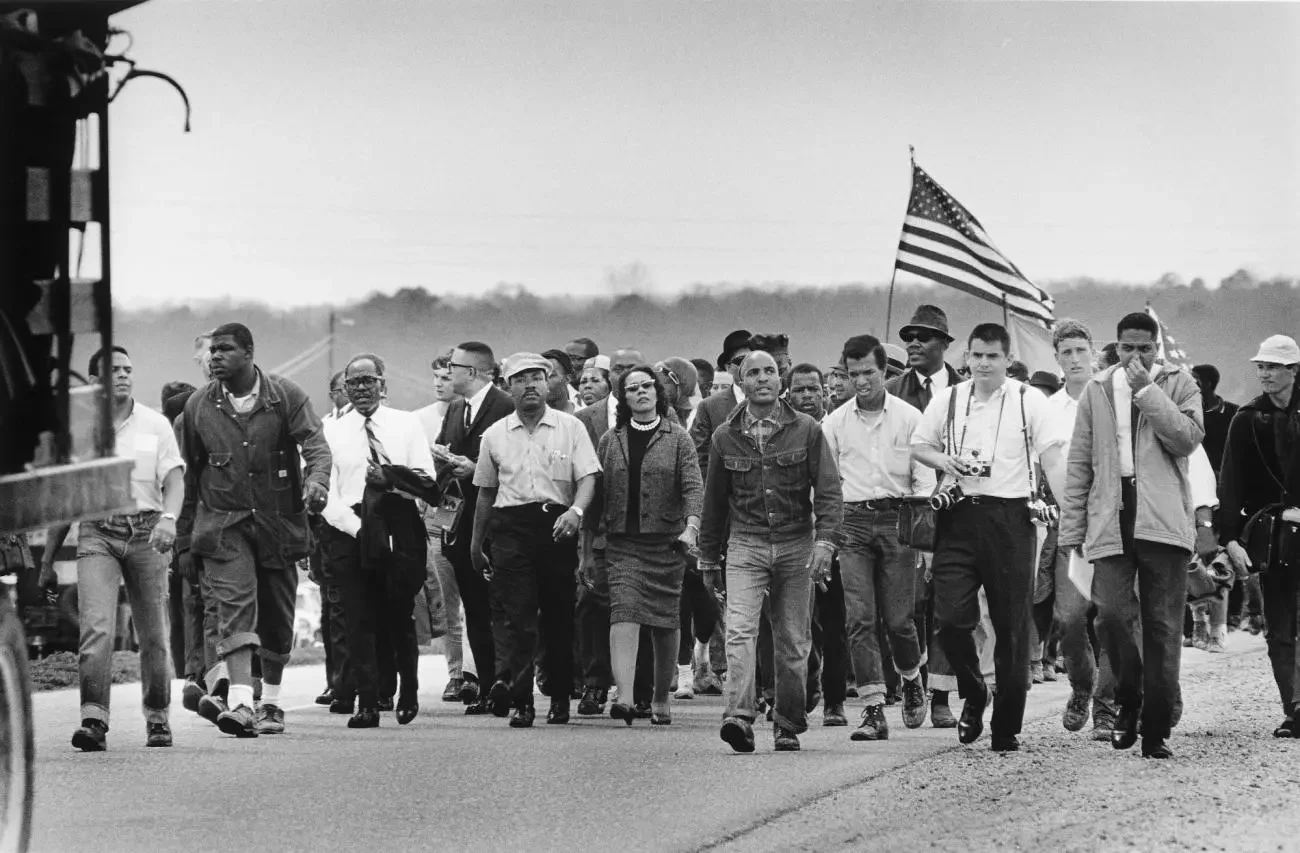
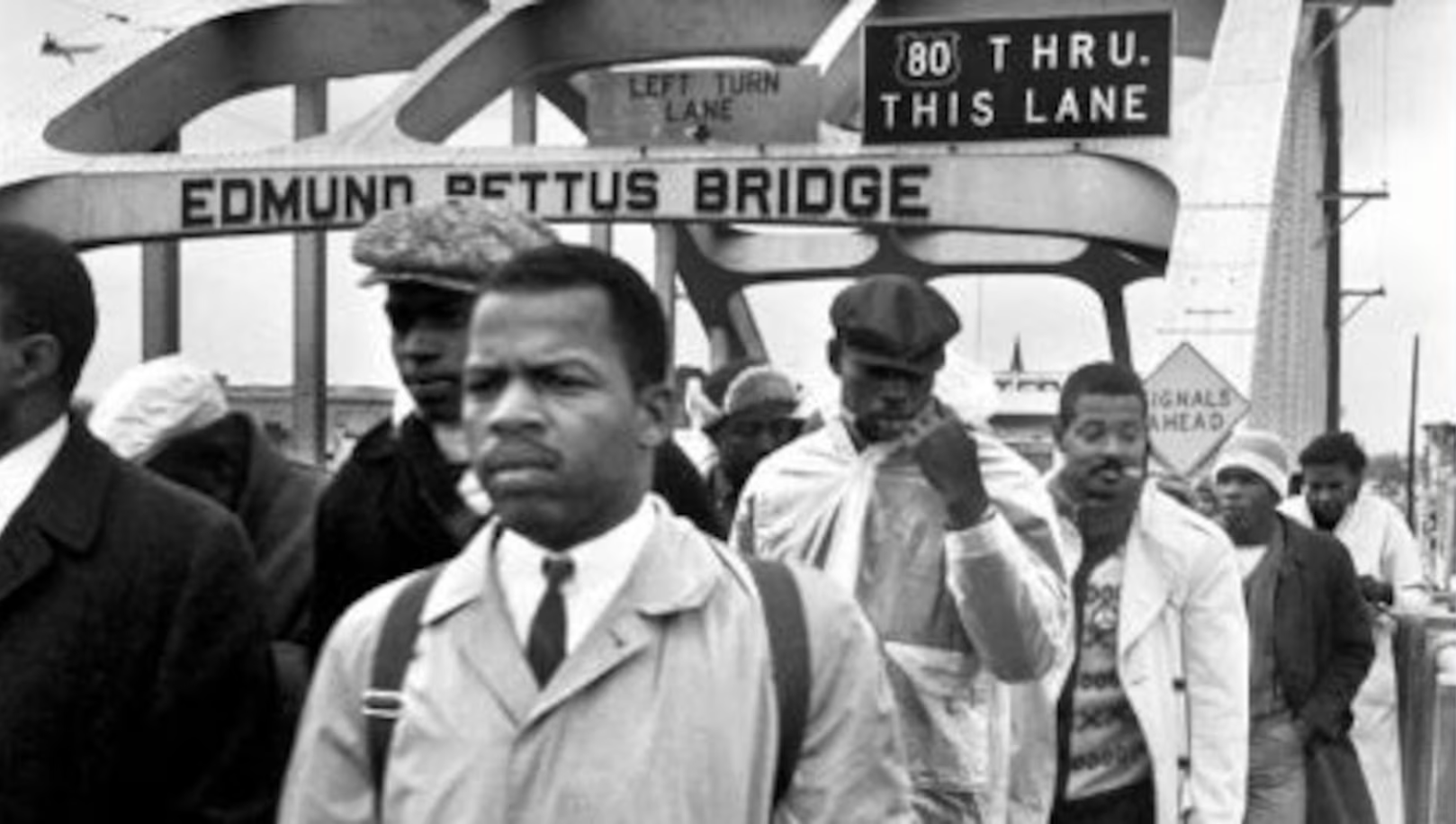
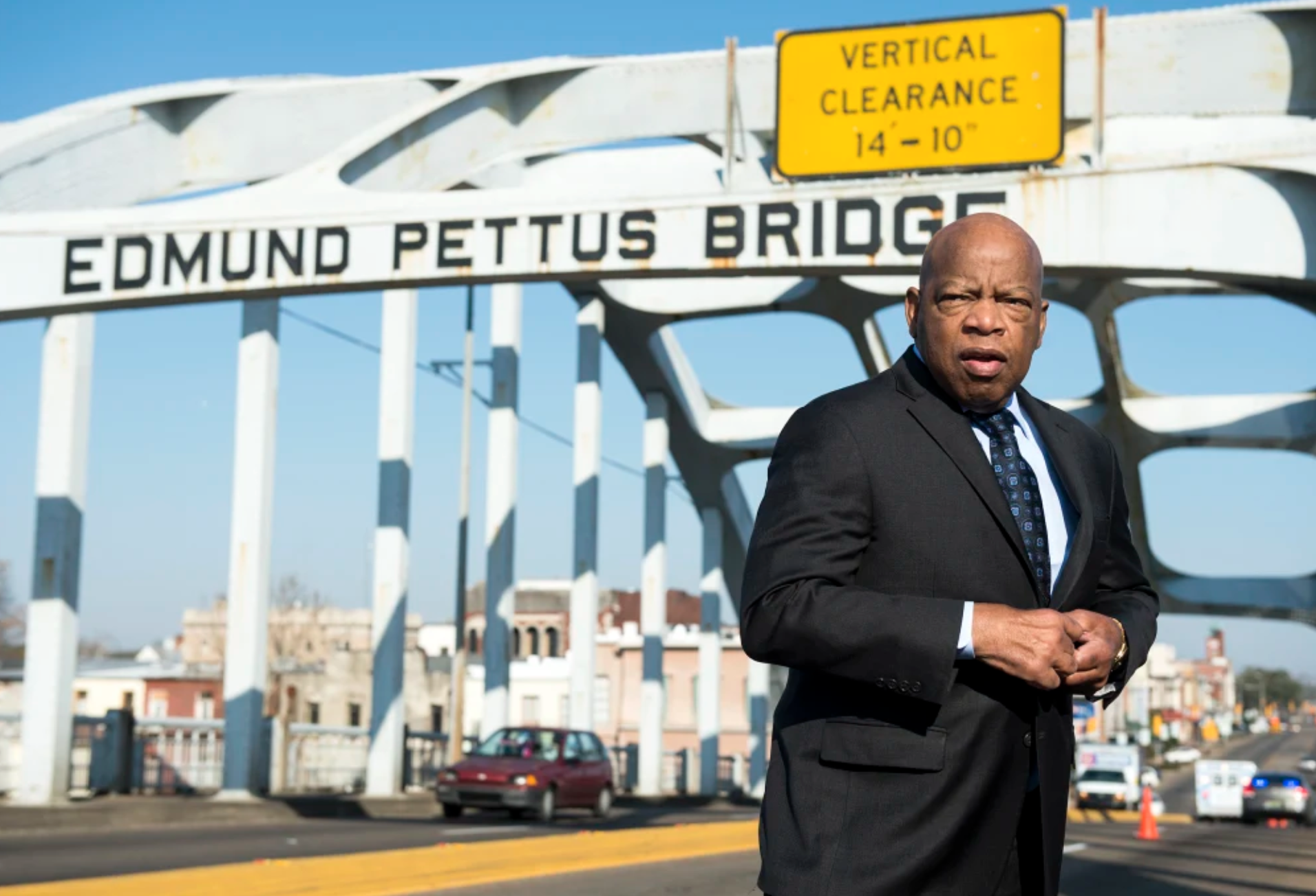
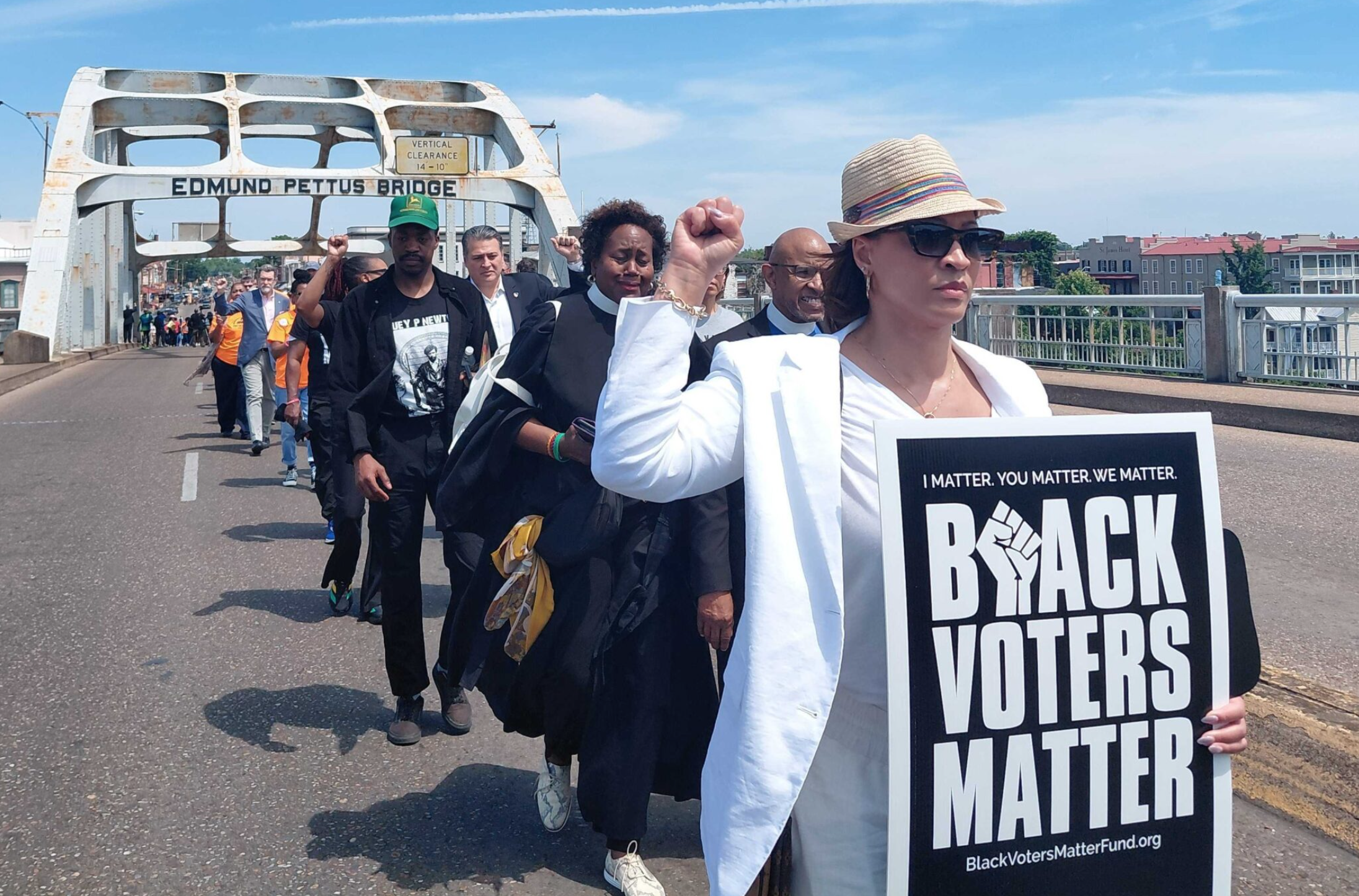
March 7, 1965: Bloody Sunday: Civil Rights activists Dr. Martin Luther King Jr., John Lewis, and others experience police brutality on the Edmund Pettus Bridge as they marched with hundreds of people for voting rights. They marched from Selma to Montgomery, Alabama and it remains one of the most painful and iconic moments in the struggle for civil rights.
August 6, 1965: The Voting Rights Act of 1965 was signed into law. This landmark legislation brought about some of the most successful civil rights measures in history, ending decades of Jim Crow discrimination and voter suppression in the United States. It forced all 50 states to uphold the 15th Amendment’s guarantee that the right to vote not be denied because of race. It restored the political participation of Black and brown communities to levels not seen since the years of Reconstruction (1865 - 1877).
July 25, 2013: Supreme Court of the United States decides Shelby County v. Holder - This decision dismantles pre-clearance protections of the 1965 Voting Rights Act. Pre-clearance refers to the requirement that states with a history of voting discrimination secure pre-clearance (from the federal government and/or courts) before making changes to voting laws. In Shelby, the Supreme Court ruled that the formula for deciding which states have a history of voting discrimination was unconstitutional, crippling federal oversight of discriminatory voting practices, and opening the door to a level of successful voter suppression tactics not seen in the United States for more than 50 years.
August 15, 2013: North Carolina passed legislation requiring Voter ID at the polls. This was battled in courts for years, but is currently the law of the land.
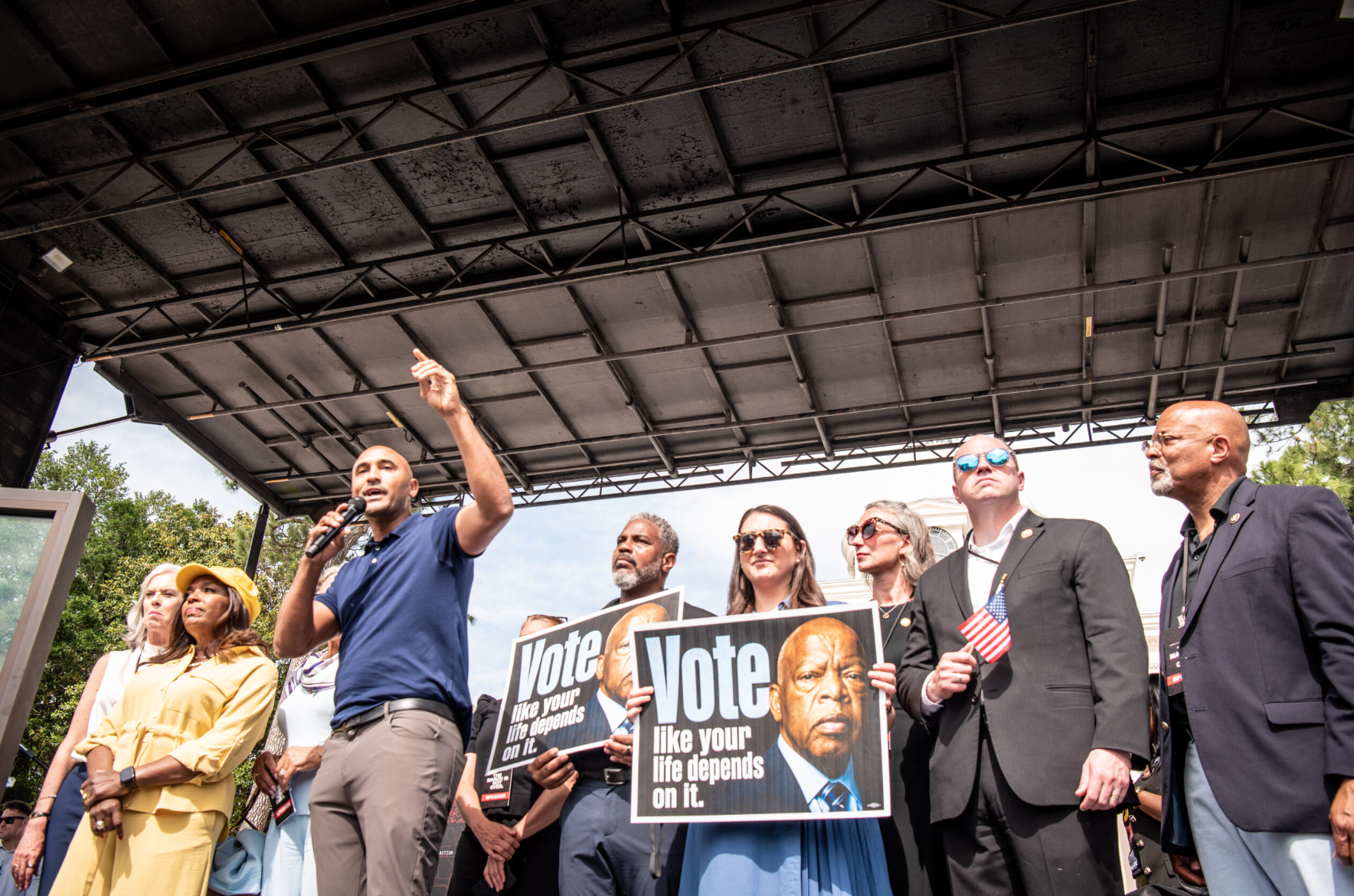
February 26, 2019: The John Lewis Voting Rights Advancement Act first introduced in Congress as H.R. 4. This legislation has never been adopted, but has been re-introduced many times since then. It would meaningfully restore the most important protections of the VRA of 1965.
April 29, 2026: Louisiana v. Callais Supreme Court Decision is announced, further gutting the protections for equitable representation and voting rights.
April 29, 2026: Louisiana Governor Jeff Landry suspends the congressional primary just hours after the Callais decision was announced. State lawmakers then quickly pushed through a new map with only one majority-Black seat to be used in the upcoming elections.
May 1, 2026: Mississippi moves to redraw their state Supreme Court districts. Republican Governor Tate Reeves announces he would call a special legislative session in mid-May to redraw the state's Supreme Court districts.
May 2, 2026: Tennessee redistricts: Republican Gov. Bill Lee announces a special session for the GOP-controlled Legislature to break up the state's one Democratic-held House district, centered on the majority-Black city of Memphis.
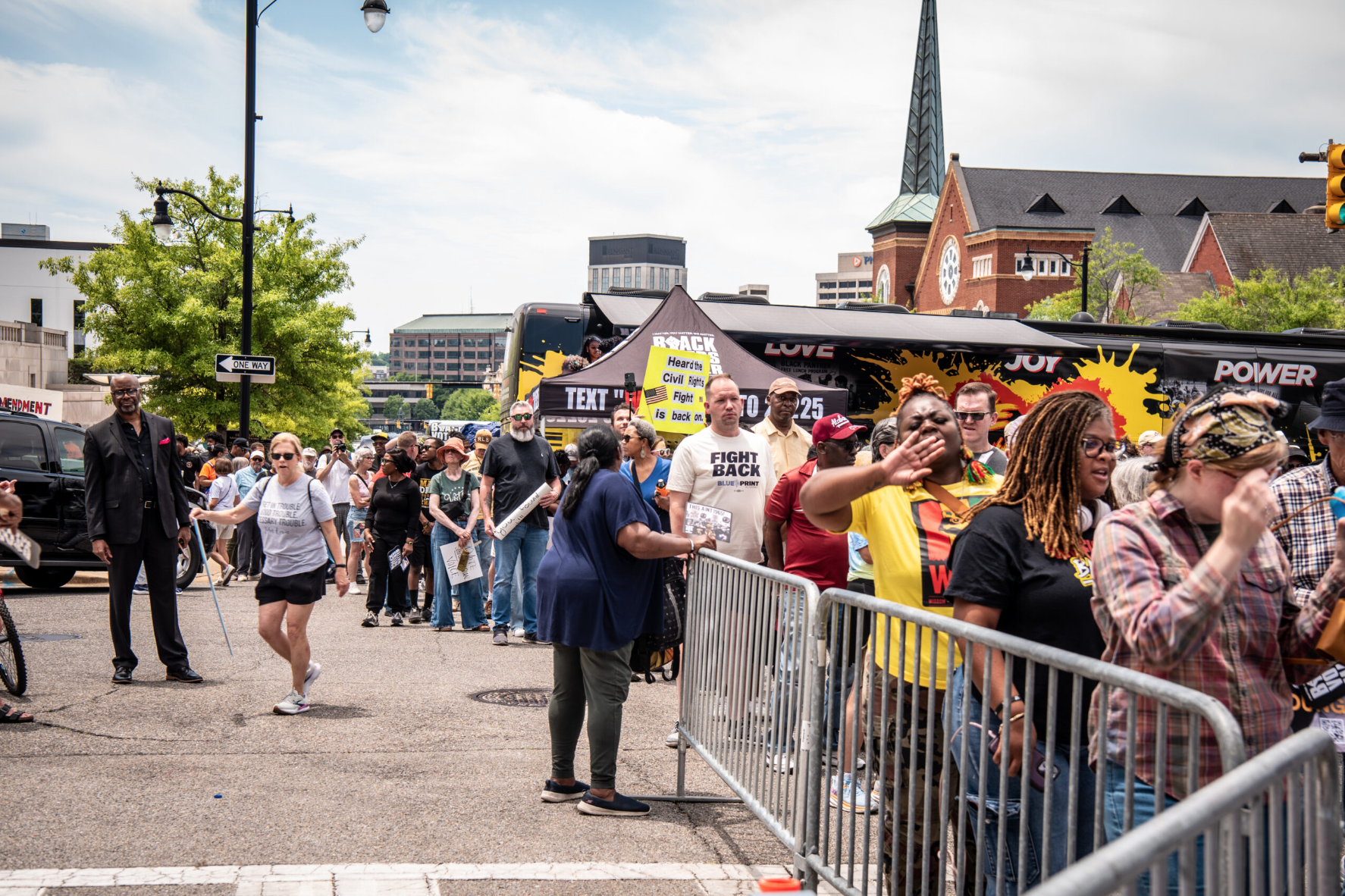
May 16, 2026: All Roads Lead To The South brings thousands of protestors to Selma and Montgomery, Alabama. Americans are once again fighting for Voting Rights.
Slipping Down The Slippery Slope
Using the timeline, it’s easy to see how Supreme Court rulings have incrementally eroded the power of the Voting Rights Act of 1965. It’s equally easy to see how states like North Carolina, South Carolina, Mississippi have been able to quietly bring back onerous voting restrictions like Voter ID requirements, reduced Early Voting, gerrymandered redistricting, and limits on mail in voting since 2013.
Restrictive laws passed in the last 10 years target every aspect of voting, including making registration more difficult, shortening early voting periods, closing polling places, and limiting voter assistance. Many of the restrictive laws passed since Shelby focus on two major areas: strict voter ID legislation just after the decision, and limitations on mail voting after the 2020 election.
This erosion of voting rights became a landslide of lasting proportions with the Supreme Court’s April 29, 2026 decision in Louisiana v. Callais, further gutting the protections for equitable representation.
These legal shifts aren't abstract, they directly impact the lives of every American.
Acknowledging that the voting rights landscape is awash with efforts to dismantle the civil rights of Black and brown Americans, women, immigrants, and gender diverse folks, let us rise to the moment and refuse to sit on the sidelines.
Our collective power is significant, and it’s our civic power at stake.
Ensuring fair representation for all voters is the task of this moment. While we know that federal voting rights protections could be restored through the adoption of legislation such as the John Lewis Voting Rights Act, we also know that may be far off. Until then, many experts believe the battle over fair representation will be fought state by state. That means there are some immediate, and tangible ways to fight for democracy and civil rights today.
Galvanizing Our Civic Power
For some, this avalanche of attacks on American civil rights seems unfathomable. For others, it is painfully familiar.
For instance, state-level voting rights protections have long been considered a stop-gap in the absence of robust federal protections. In fact, ten states already have their own Voting Rights Acts, including California, Colorado, Connecticut, Illinois, Maryland, Minnesota, New York, Oregon, Virginia and Washington. Several more states have seen bills introduced that did not become law.
So, if you’re in a state with no current VRA, call your representatives and insist they support one! That leads me to the next point:
We need to galvanize in this moment, come together, and work to restore and expand civil rights.
We have tremendous power and we must rise together to wield it in every way possible.
Action steps to advance Civil Rights in 2026:
Contact your Federal representatives and insist they support the The John Lewis Voting Rights Advancement Act
Here’s how to find and contact your representatives in Washington DC. USA.gov
Contact your representatives on a regular basis. Get loud about the issues you care about.
If you live in a state with no existing state-level Voting Rights Act, contact your state legislators and insist they pass one!
Get familiar with your state legislature and who is making laws in your state.
Visit the National Conference of State Legislatures: NCSL.org
Register To Vote: Printable NC Voter Registration Form.
Check your registration and update as needed.
Talk about this process with friends, young folks, and social media followers.
Don’t be shy to ask questions. Encourage others to join you.
And most importantly, don’t wait until the last minute!
Register Young Voters. In North Carolina, 16 and 17 year olds can PRE-Register to Vote!
That means when they turn 18, they’ll be automatically registered.
Follow down-ballot candidates on social platforms and attend town halls to ask important questions on policy and platform.
Knowing who is running and how they plan to operate in office is just as important as getting to the polls.
If you already have experience as a community leader in Charlotte, NC, or want to push yourself to become one, consider joining the 2026 cohort of our Civic Impact Academy.
Together our Civic Impact Academy cohorts gain skills in navigating local government and building civic community effectively.
Power the Polls by signing up to be a poll worker or a poll observer in your precinct!
Democracy requires physical presence to remain transparent and fair. Every election depends on local volunteers and now is the time to get involved.
In NC, sign up to work the polls at the North Carolina State Board of Elections website.
Consider donating to organizations doing the heavy lifting of registering and protecting voters in the regions where civil rights are most under threat.
In the Carolinas, this includes organizations like League of Women Voters, and You Can Vote.
Nationally, the NAACP’s Legal Defense Fund and When We All Vote are doing important work.
Together We Rise
The dismantling of civil liberties and voting rights protections are grave challenges, to be sure. But they are not defeat. This is the time to ground ourselves in community and set to work. With conviction and care, let’s work together to bolster democracy and ensure that every voice is heard.
NOTE: Eligible North Carolina voters can visit NCSBE.gov to register to vote online, or click below to print a paper Voter Registration form that can be mailed to the North Carolina State Board of Elections, P.O. Box 27255 Raleigh, NC 27611-7255. If you need help registering to vote reach out to us, or visit your County Board of Elections during business hours. Your County Board of Elections is also the place to secure free Voter ID in the state of North Carolina.
Civility Localized founder Christine Edwards Pitkin founded a Civic Impact Academy in 2024. It runs annual learning cohorts of 20 Charlotte-area folks who are passionate about turning their experience in government, community leadership, and civics into action that improves the lives of all. Get involved and learn more via the Civic Impact Academy website. Applications for the 2026 cohort will open July 1st, and classes will begin in September.