
Let’s Learn Civics
In the summer of 2026, Civility Localized focused on back-to-basics civics learning.
Across our social platforms and in-person events, we defined election jargon, demystified local government, and did some myth-busting too.
This initiative, aptly titled “Let’s Learn Civics” was designed to bring everyday folks information they need to effectively engage government. We included clear & actionable info that encourages all residents to pull up a seat at the tables where decisions are made.
Whether you followed along on Instagram, downloaded our resources, or shared posts with friends, we thought we’d summarize it all in one place, so here is a look back at the core themes and civic insights covered throughout the series.
1. Decoding Local Government: Who does what? City Vs County Edition
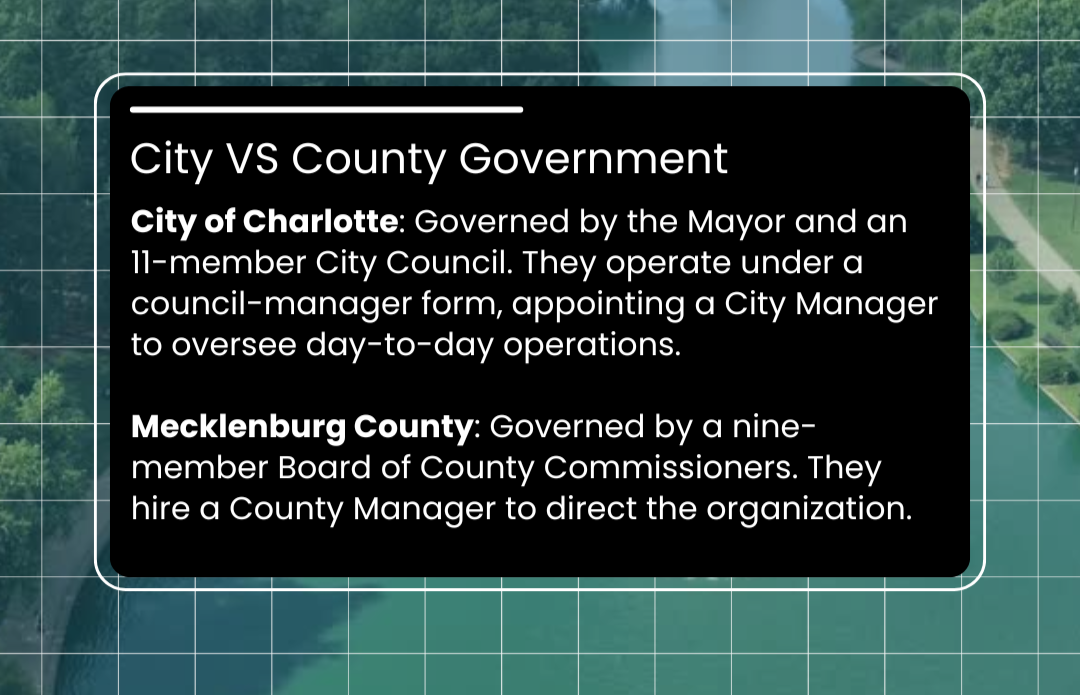
Let’s demystify the division of responsibilities in local governments of our home city & county: Charlotte, NC and Mecklenburg County.
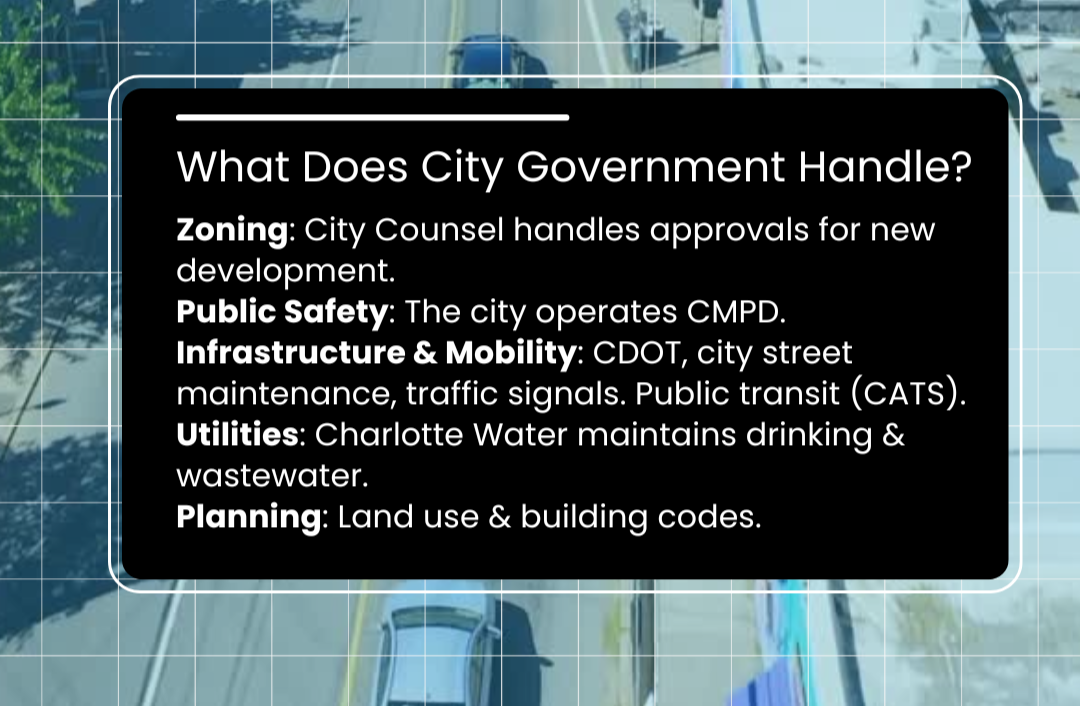
City Government: Infrastructure and Daily Operations Led by the Mayor and City Council, Charlotte’s city government focuses primarily on the physical infrastructure and services that keep the municipality running within city limits. Key departments include:
Safety & Streets: The Charlotte-Mecklenburg Police Department (CMPD) handles public safety, while the Charlotte Department of Transportation (CDOT) oversees local roads, bike lanes, and sidewalks.
Transit & Utilities: Public transit is managed by CATS (bus, light rail, and streetcar)—making it the largest transit system between Washington, D.C., and Atlanta. Meanwhile, Charlotte Water supplies clean drinking water and manages wastewater.
Growth & Planning: The city directs future development through zoning laws, land use planning, and building codes.
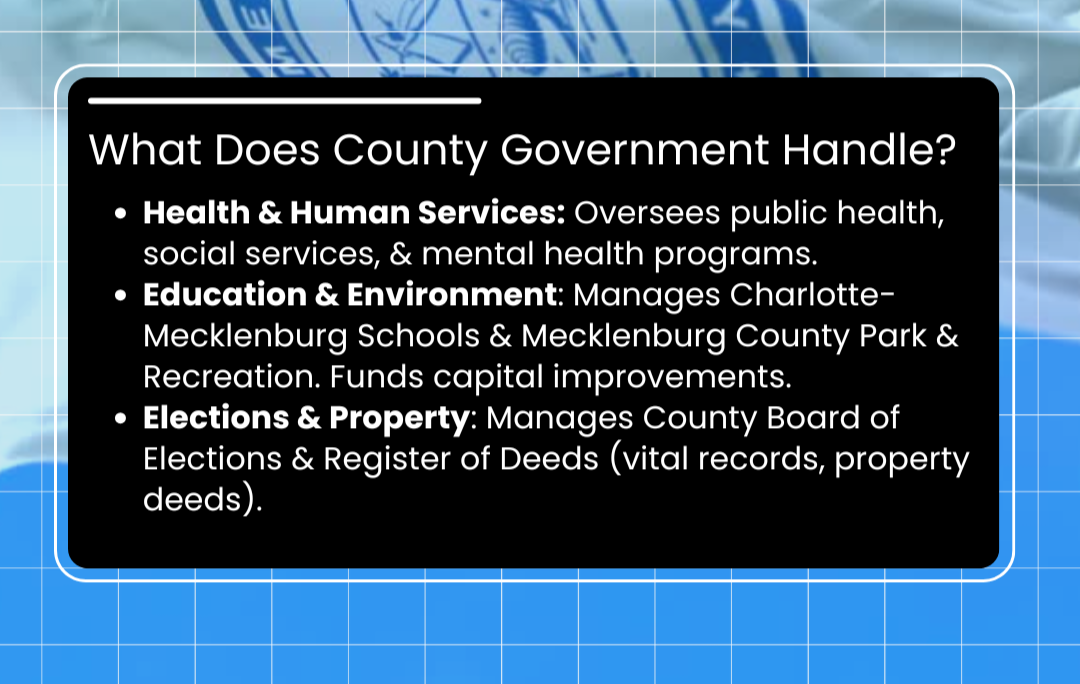
County Government: Regional Services and Human Infrastructure Led by the Board of County Commissioners, Mecklenburg County takes a broader approach. It manages regional services, public welfare, and county-wide administrative duties that extend across all municipality borders:
Health & Human Services: County government oversees public health initiatives, social services, and mental health programs.
Education & Community Resources: The county funds and operates Charlotte-Mecklenburg Schools (CMS), as well as Parks & Recreation.
Elections: Essential administrative duties, including the County Board of Elections
Public Records: The Register of Deeds keeps county records such as titles, deeds, and more, and this falls directly under county jurisdiction.
3. Voter Engagement
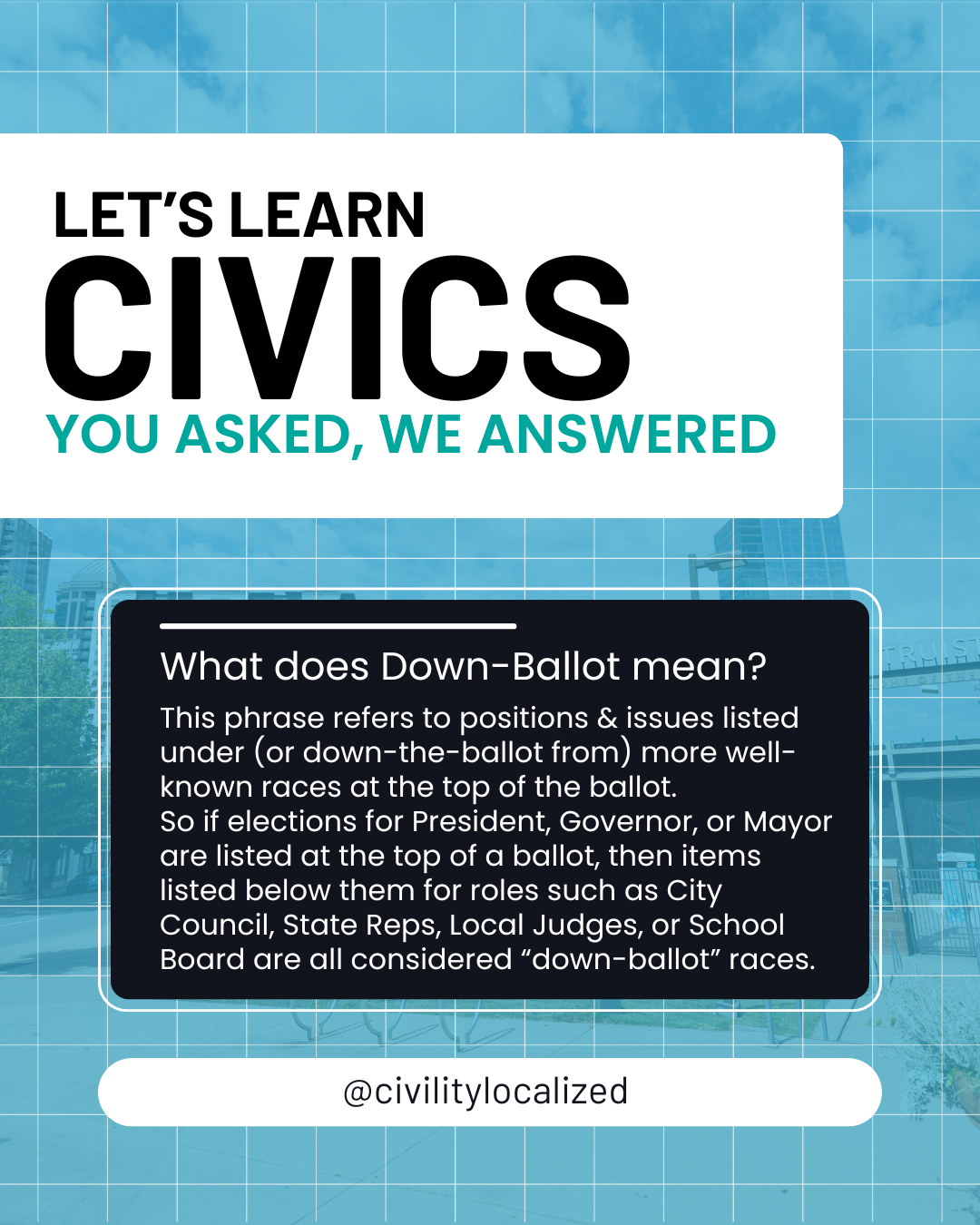
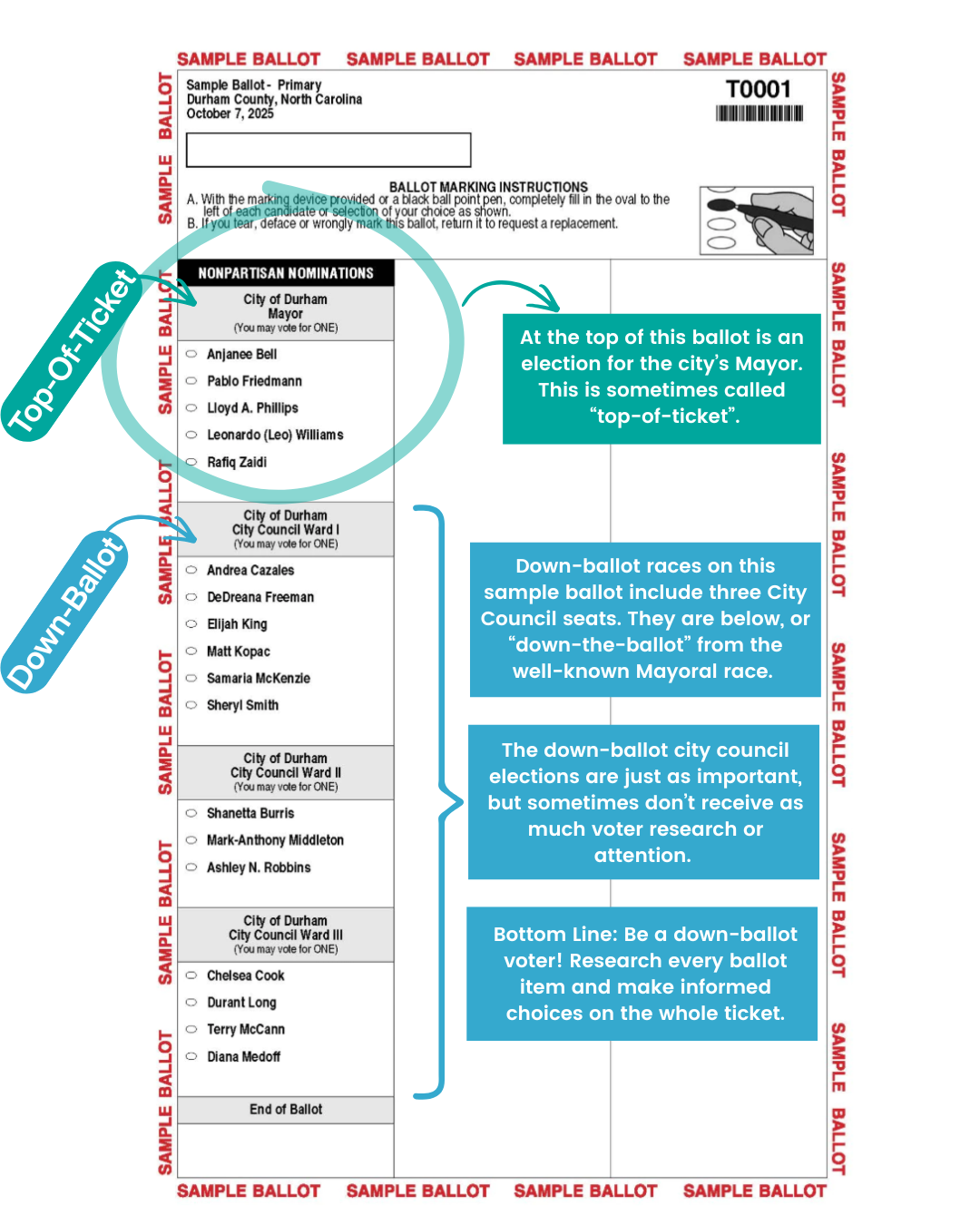
What does Down-Ballot mean?
While high-profile presidential and gubernatorial contests dominate headlines and are listed at the top of a voters ballot, the races and contests listed below, or down-the-ballot, from them often have a far greater impact on your daily life.
Covering key positions like local school board members, judges, state auditors, and attorneys general, these overlooked contests shape everything from community public safety to education policy.
Because voters frequently skip these bottom-of-the-ticket choices, down-ballot elections are often decided by thin margins.
Example: North Carolina's 2020 Chief Justice race, which was decided by just 412 votes out of over 5 million cast.
Bottom line: being an informed voter means checking your sample ballot through resources like Vote411.org, or your county board of elections, to research every contest before you head to the polls.
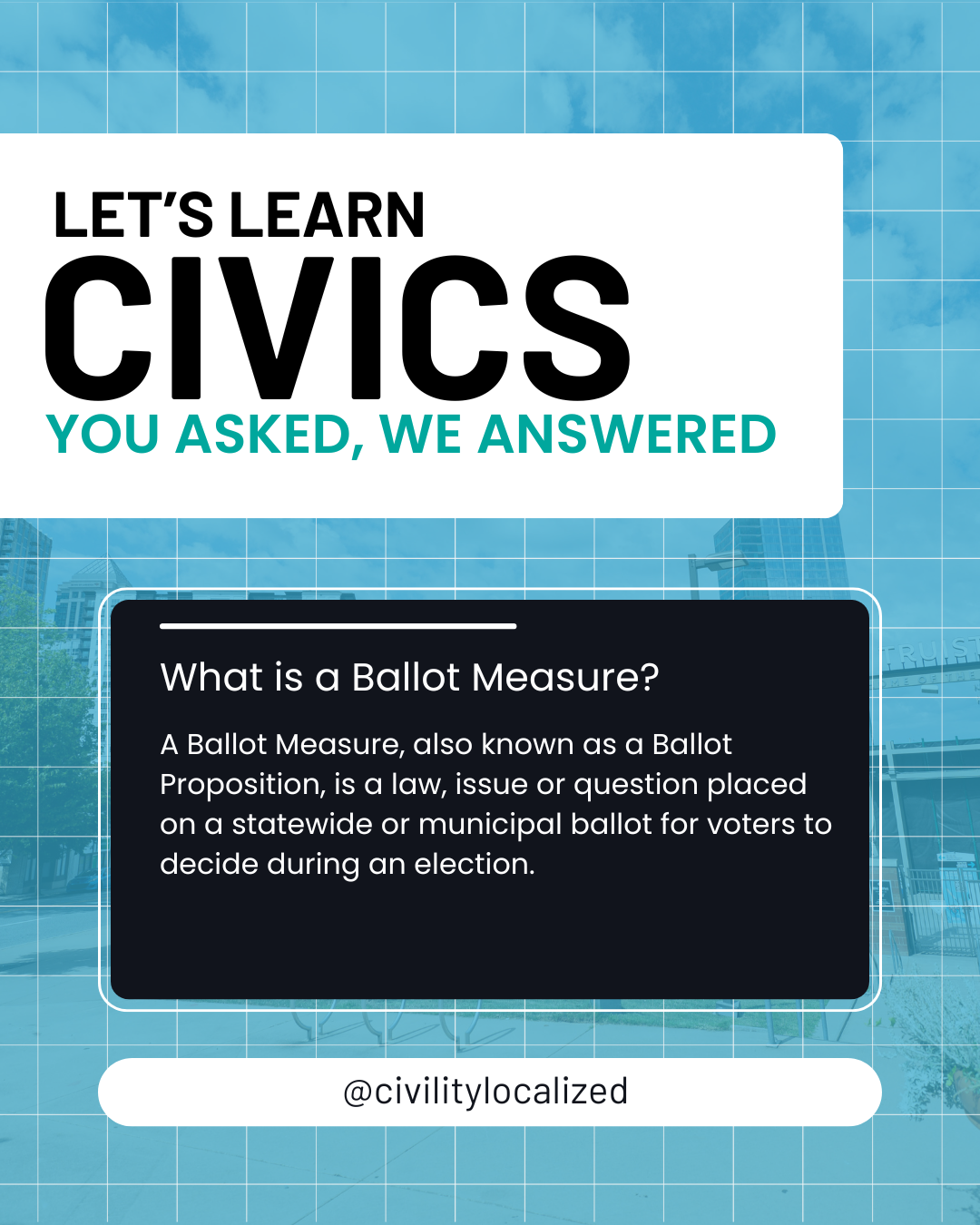
What is a Ballot Measure?
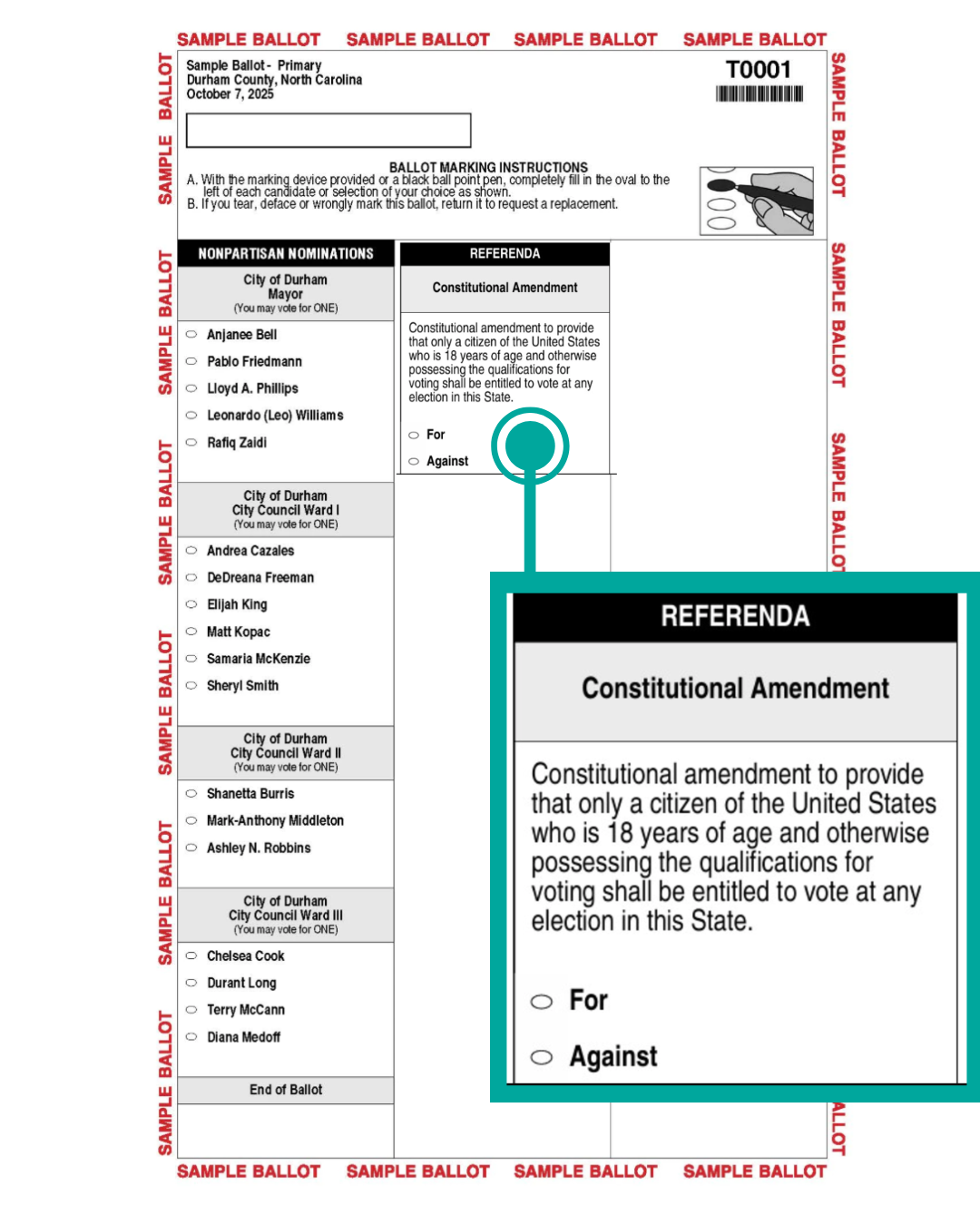
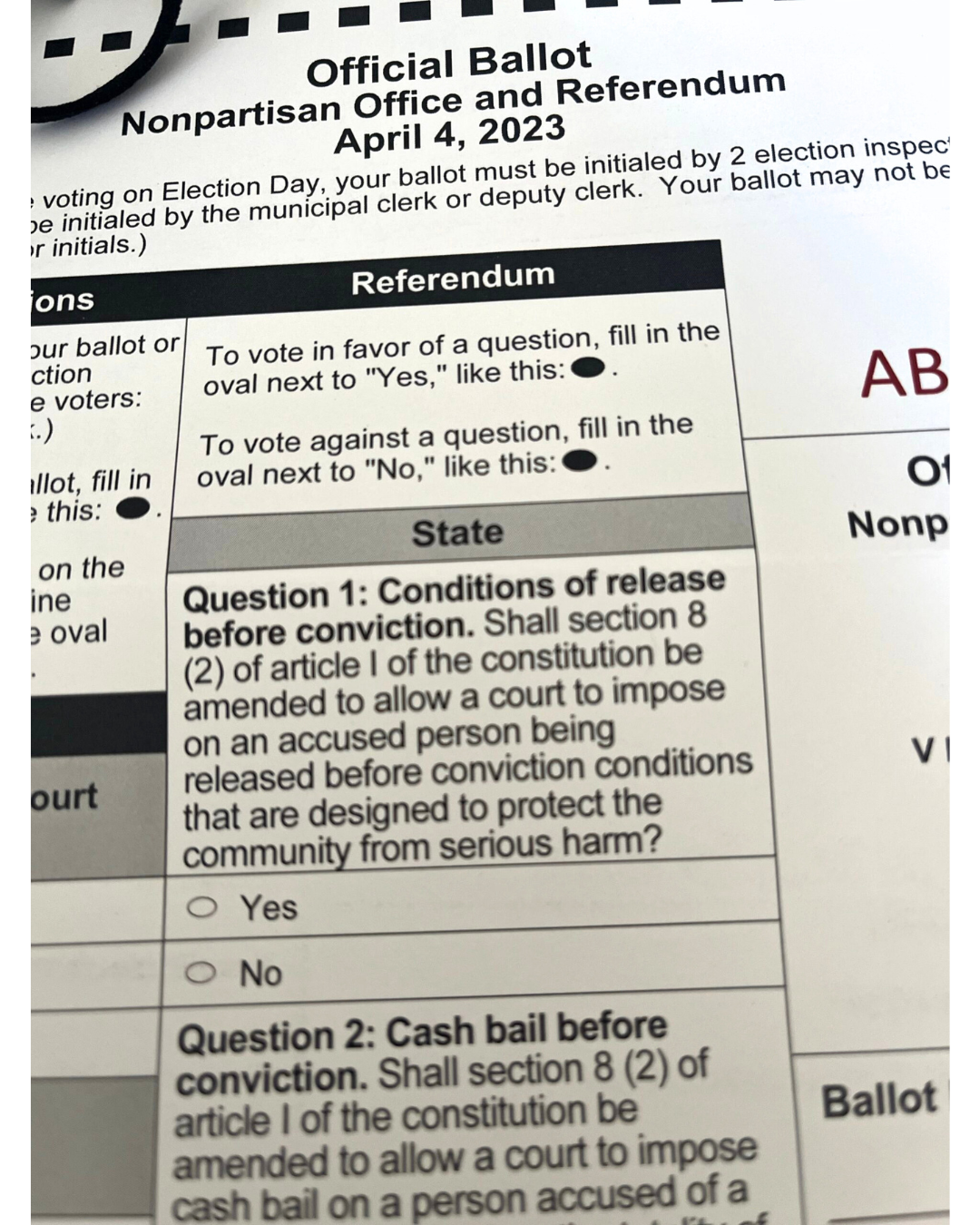
A ballot measure gives voters the chance to act directly as lawmakers by approving or rejecting specific policies at the ballot box. In North Carolina, these typically appear as either:
Constitutional Amendments: which require state legislature approval plus a majority vote from citizens to update state law.
Bonds and Referendums: a "yes" vote on a bond authorizes municipal governments to borrow funds for critical infrastructure like public schools, parks, roads, and water systems.
Redistricting:
Redistricting is the process of re-drawing voting districts to account for population changes and shifts in a healthy representative democracy. In the United States, redistricting typically aligns with census cycles, but states can also redistrict mid-cycle. Control of redistricting varies from state to state, with some assigning the task to independent commissions, while others allow the legislature to draw these maps.
Gerrymandering:
This is the term used when maps are intentionally drawn to control voting outcomes. This is sometimes done by grouping voting blocs together (aka ‘packing’), or deliberately splitting them up to reduce their voting power (aka ‘cracking’).
This undemocratic process robs voters of equitable representation, and the ability to decide who represents them. Understanding this can help everyone in a representative democracy advocate for fair and properly drawn maps.
Registering to Vote at 16, 17 or 18:
16 & 17-Year-Olds: You don’t have to wait until you’re 18! You can pre-register now, and your registration automatically activates on your 18th birthday. (No driver’s license? No problem - you can still register!). Learn more in this video from Ranekqwa Edwards at the Progression Impact Group!
Turning 18 Before the Next Election? Register early so you’re fully cleared to vote in both the primary and general elections.
College Students: You have choices! Register using your campus address if you’re living there now, OR keep your registration at your permanent home address. Just remember: you can only register and vote in one place, and in either instance, you’ll need to make a plan to vote early, by mail, or on Election Day!
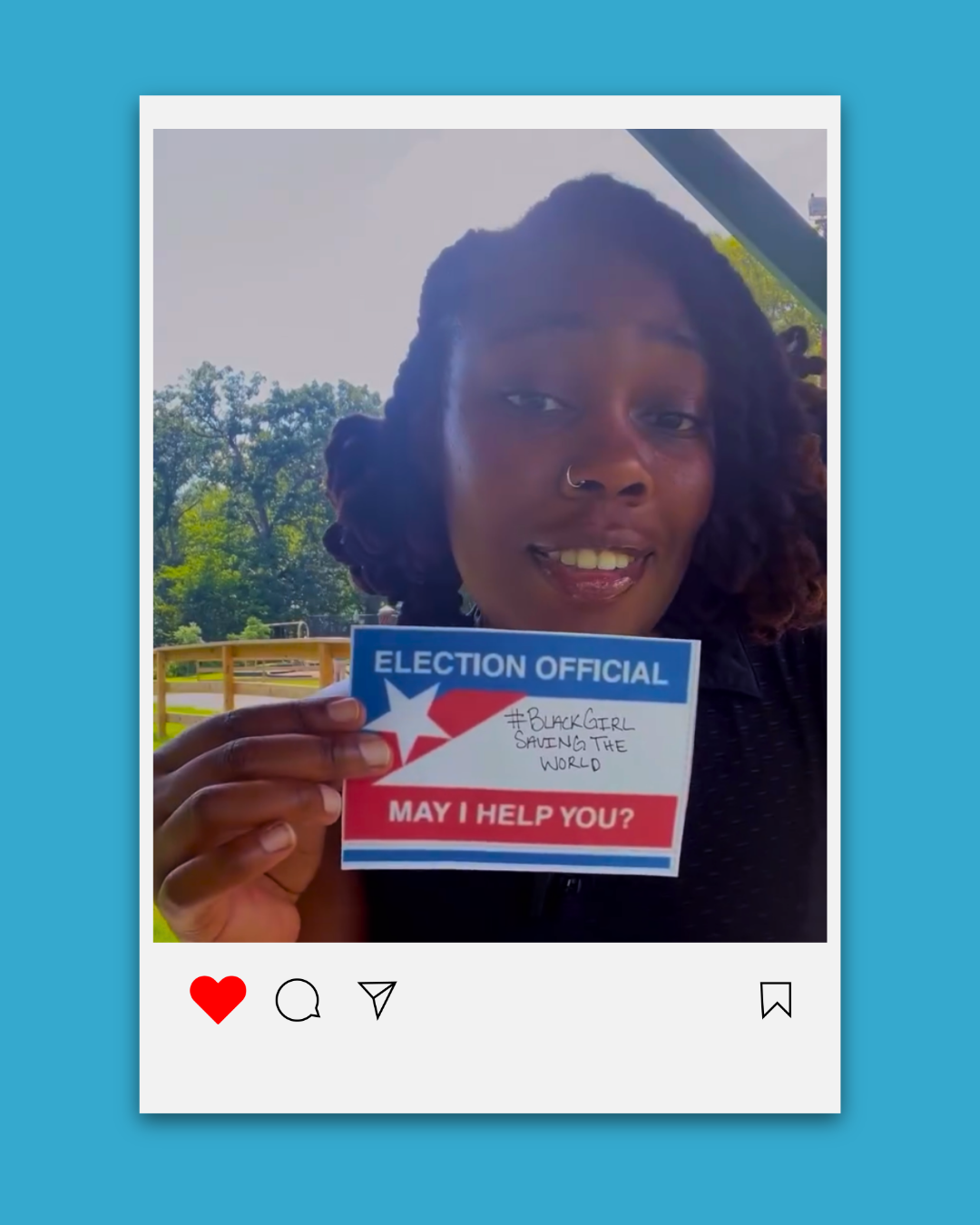
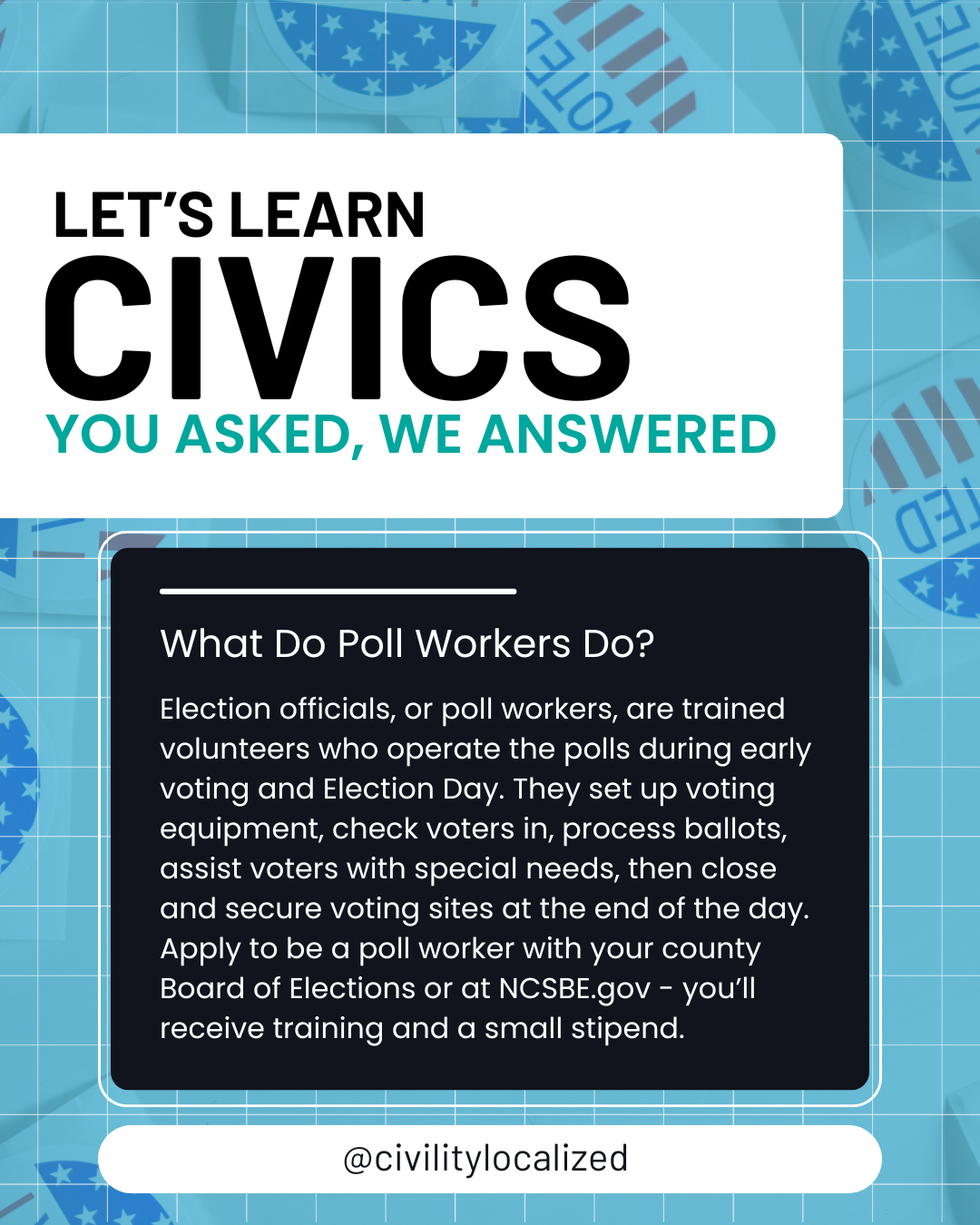
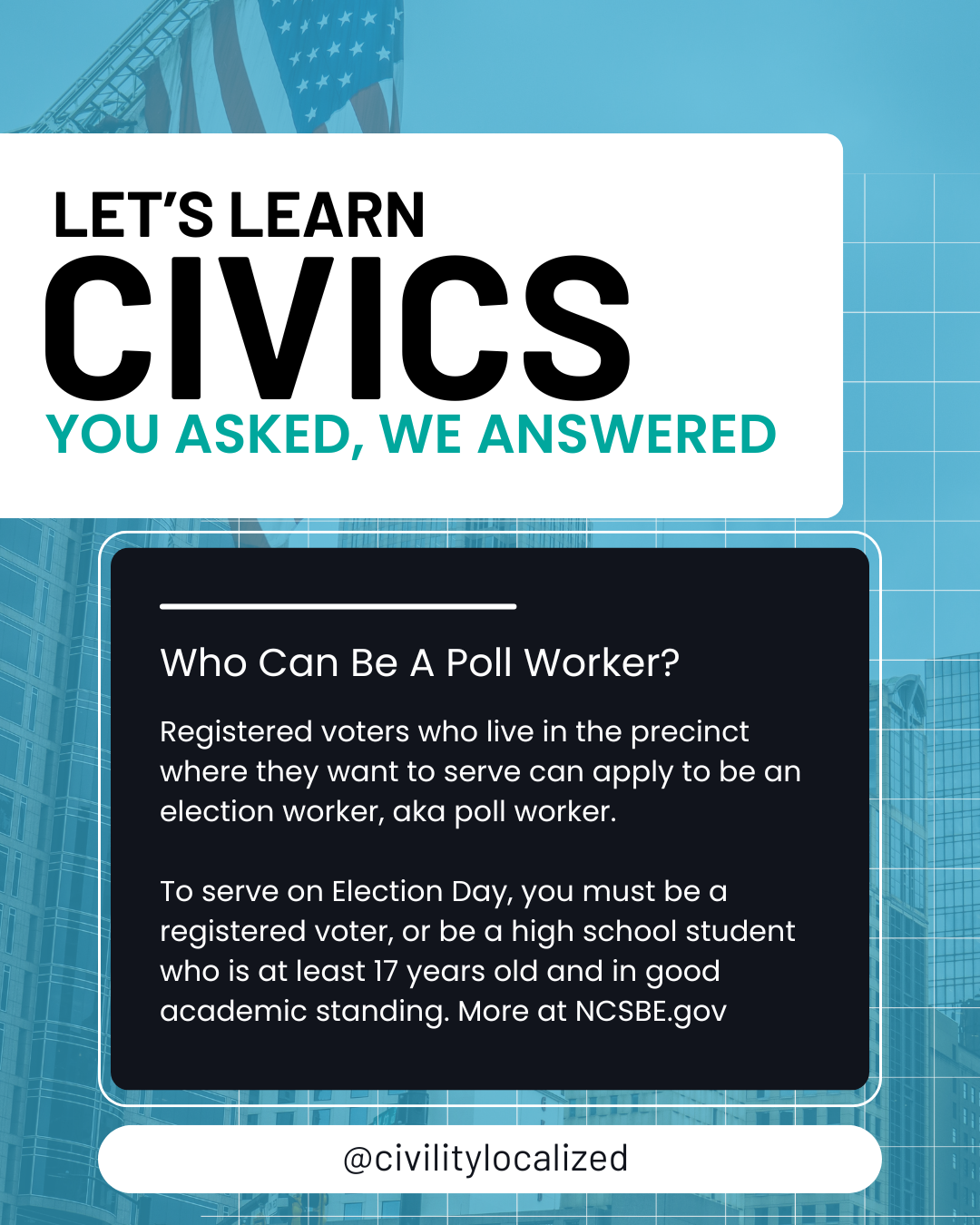
Election Workers & Volunteering At The Polls
Every election relies, in part, on dedicated local volunteers. Signing up as a poll worker is one of the most direct ways to engage in civics.
Responsibilities: Poll workers set up voting equipment, check in voters, process ballots, assist voters, and secure polling sites.
Training & Compensation: Officials undergo comprehensive training before taking the floor and are paid for their time.
How to Get Started: Elections happen every year! Get involved at ncsbe.gov or by contacting your local County Board of Elections.
What’s a Moratorium?
Think of a moratorium as an official pause button. It is a temporary suspension or authorized delay of a specific activity, permit, or law, usually put in place so local leaders can step back, evaluate a situation, and fix an underlying problem.
When a community experiences rapid change, current regulations or infrastructure can get overwhelmed. Rather than allowing a high-stakes issue to spiral, a moratorium acts as a protective buffer, giving local government the breathing room needed to draft thoughtful, long-term solutions.
Common reasons local governments press pause include:
Managing Rapid Growth & Infrastructure: Pausing new building permits gives cities time to upgrade water lines, sewer capacity, or roads before adding more demand to already strained systems.
Updating Zoning Laws: Halting new commercial or residential development allows planning boards to rewrite outdated land-use codes or adapt to emerging trends without a wave of mismatched projects slipping through.
Protecting Public Health & Safety: Temporarily freezing specific activities allows officials to conduct environmental impact studies or address immediate safety risks in the community.
Ultimately, a moratorium isn't a permanent ban. It’s a planning tool designed to slow things down, so communities can build safer, better-regulated futures.
Is the Draft Returning?
The short answer is no. The question comes up due to recent legislative changes that are set to automate the Selective Service System’s registration process.
Background: The U.S. has operated an all-volunteer military since 1973. Reinstating an active draft would require a brand-new act of Congress signed by the President.
What Changed: Passed under the 2025 National Defense Authorization Act (NDAA), a system update taking effect in December 2026 automatically registers eligible men (ages 18–25) using existing federal databases.
The Goal: Automating sign-ups.
The Civic Debate: While streamlining government paperwork saves resources, it raises broader questions about federal automation. Should government efficiency extend to processes like Automatic Voter Registration, pre-filled tax returns, or more?
These are just some of the topics covered in our Let’s Learn Civics Series! If you’re not already following us on Instagram, check us out and hit follow now! And stay tuned for our North Carolina State Government Explainer next!